

Dog breed treat motivation plays a major role in modern dog training across the United States. Many owners use treats to teach basic manners, reduce unwanted behaviors, and build trust with their dogs.
From my experience studying dog behavior, the biggest mistake owners make is assuming every dog responds to treats the same way. Breed traits can influence interest in food, but each dog’s history, health, and personality also shape motivation.

What Is Dog Breed Treat Motivation?
Dog breed treat motivation describes how willing a dog is to work for food rewards. A highly food-motivated dog may quickly learn commands because the treat creates a clear reason to repeat good behavior.
Treat motivation is not just about hunger. It involves genetics, attention, past training, and the emotional value a dog gives to a reward.
- ✦ Food drive
Some dogs naturally show strong interest in eating and may work longer for small food rewards.
- ✦ Learning connection
Dogs learn faster when they understand that a behavior leads to a positive outcome.
Why Breed Differences Matter
Some working breeds were developed to cooperate closely with humans, which can make reward-based training very effective. Other breeds may value independence, exploration, or play more than food.
Factors That Influence Treat Motivation in Dogs
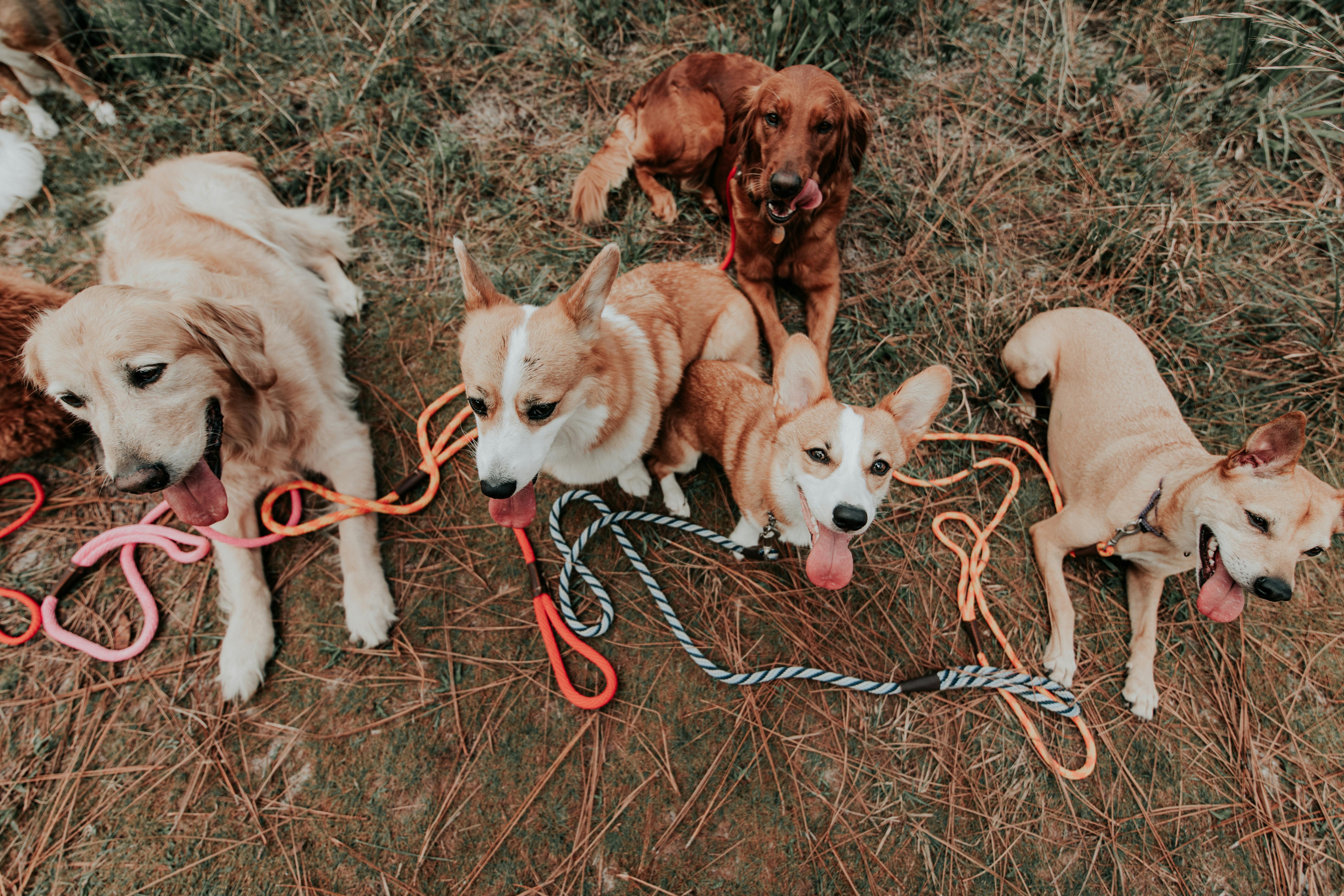
Dog breed treat motivation changes throughout a dog’s life. A young puppy may be excited about small treats, while an older dog may need softer treats or different rewards.
Health, stress, environment, and training history all affect how strongly a dog responds to food.
- ✦ Age
Puppies often explore through food, while senior dogs may have changing appetite levels.
- ✦ Health
Dental issues, illness, or diet changes can reduce interest in treats.
- ✦ Environment
A distracted dog may ignore treats even when it normally enjoys them.
Personality Versus Breed
Breed patterns can provide clues, but personality always matters. Two dogs from the same breed can have very different levels of food motivation.
Dog Breeds Commonly Known for Strong Food Motivation
Many breeds with a history of working with people respond well to treats during training. Their willingness to engage often makes reward-based methods easier for owners.
However, individual differences remain important. A breed reputation does not guarantee that every dog will love treats.

- ✦ Labrador Retriever
Many Labradors are eager eaters and often respond well to food-based training.
- ✦ Golden Retriever
Golden Retrievers often enjoy cooperation and may learn well with positive rewards.
- ✦ Border Collie
Many Border Collies combine intelligence with strong motivation for structured training.
Independent Breeds and Treat Training
Some independent breeds may need better timing, higher-value treats, or a mix of rewards. Owners often succeed when they make training more engaging and meaningful.
How to Use Treat Motivation During Training
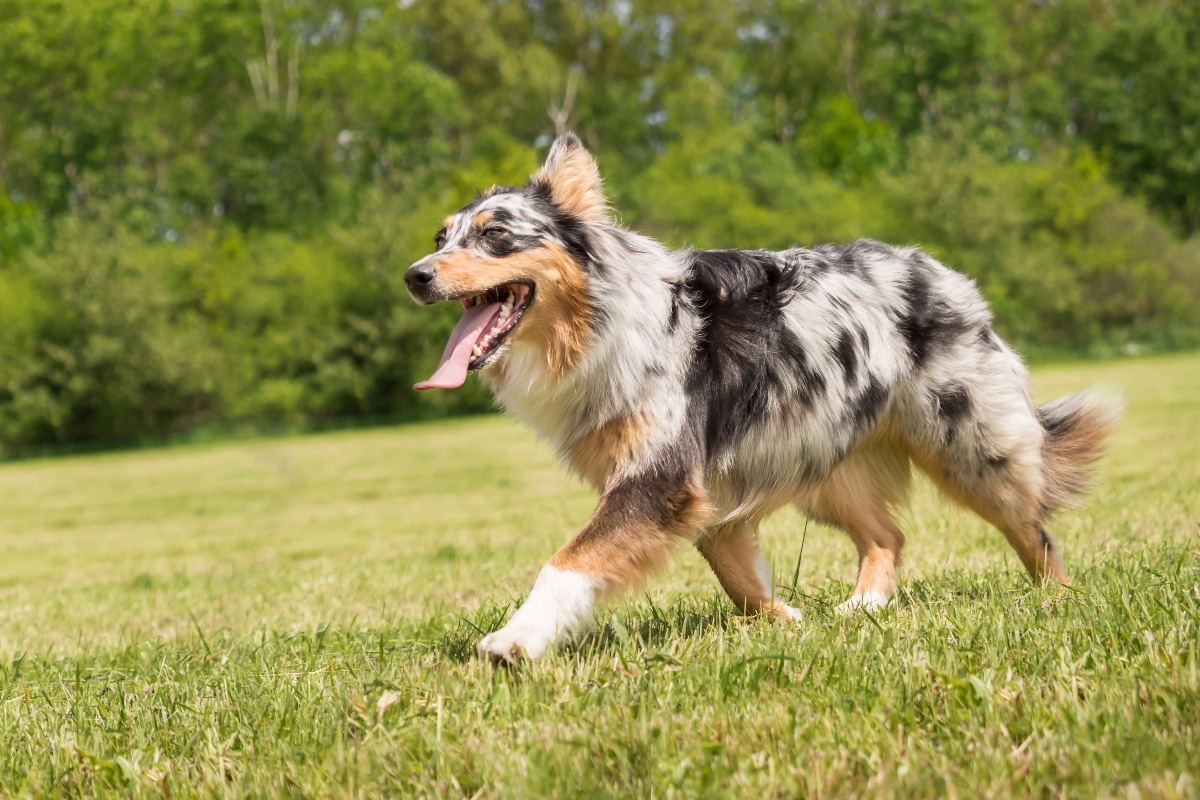
Effective treat training is based on timing and consistency. The reward should come soon after the desired behavior so the dog understands the connection.
Small treats work best because they allow many repetitions without adding too many calories.
- ✦ Reward quickly
Give the treat within seconds of the correct action.
- ✦ Use different values
Use regular treats for easy tasks and higher-value treats for difficult situations.
- ✦ Reduce dependence
Slowly move from constant treats to occasional rewards as behavior improves.
Choosing the Right Dog Training Treats
The best treat is one your dog finds exciting but can safely eat often. Soft, small treats are popular because they are easy to chew and deliver during training sessions.
When Dogs Are Not Motivated by Treats
Some dogs do not show strong food motivation. This does not mean they cannot learn. It means owners may need to discover other rewards.
A dog may prefer praise, toys, sniffing, play, or access to favorite activities instead of food.

- ✦ Try different treats
Some dogs ignore dry treats but respond to softer or stronger-smelling options.
- ✦ Check the situation
Stress, distractions, and tiredness can lower motivation.
Building Motivation Over Time
Owners can increase interest by making training fun and rewarding. Short sessions often work better than long sessions that create boredom.
Common Mistakes With Treat-Based Dog Training
Treats are powerful tools, but they work best when used correctly. Giving too many treats without clear rules can create confusion.
Good training focuses on communication, trust, and repetition. Treats should support learning, not replace it.
- ✦ Rewarding too late
A delayed reward can make it harder for dogs to understand what behavior earned the treat.
- ✦ Using one reward forever
Changing rewards keeps training interesting and prevents boredom.
