
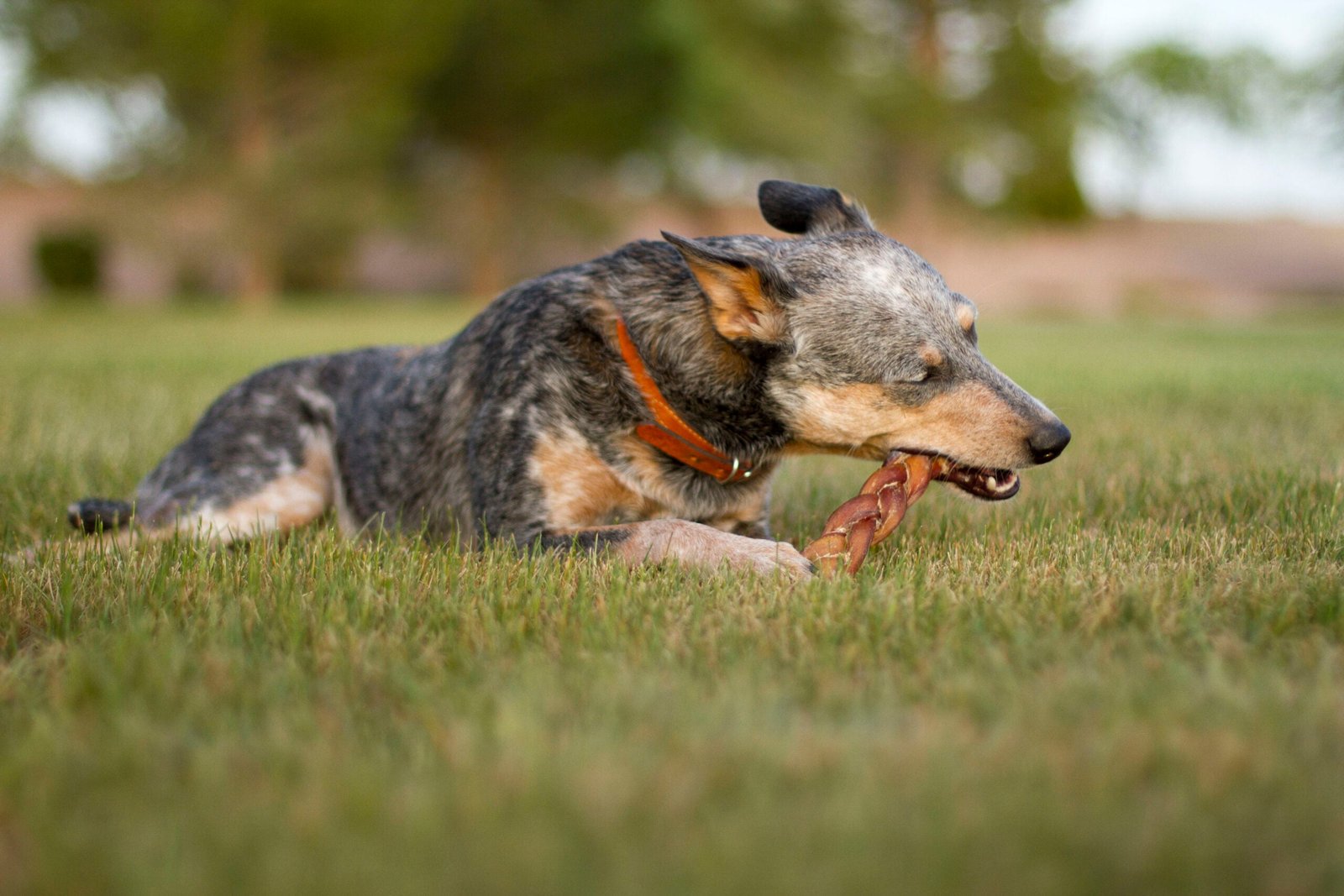
Dogs chew for many reasons. They explore the world, release stress, clean their teeth, and enjoy natural behavior. Understanding dog breed chewing preferences helps owners choose better toys and prevent unwanted chewing on furniture, shoes, or household items.
In my experience working with dog behavior topics, I have seen that chewing problems often come from a mismatch between a dog’s needs and the chew options available. A high-energy working breed may need a stronger challenge than a small companion dog.

What Are Dog Breed Chewing Preferences?
Dog breed chewing preferences describe the types of chewing behaviors dogs naturally prefer. Some dogs enjoy soft toys, while others prefer durable rubber toys, bones, or textured chews.
These preferences are not controlled by breed alone. Environment, training, past experiences, and daily activity also shape how a dog chooses to chew.
- ✦ Genetic traits
Breeds developed for hunting, herding, or work may have stronger chewing and problem-solving drives.
- ✦ Individual personality
Two dogs from the same breed can have very different chewing styles.
Why Dogs Have Different Chewing Styles
A dog may chew slowly for comfort or chew intensely to release energy. Observing the way your dog uses a chew helps you understand their needs.
- ✦ Gentle chewers
These dogs often enjoy soft toys and lighter chew materials.
- ✦ Power chewers
These dogs need durable products designed for stronger chewing force.
How Breed Characteristics Influence Chewing Habits
Breed history can influence dog breed chewing preferences. Working breeds often enjoy activities that keep their minds busy because they were bred to complete tasks.
For example, active breeds such as Australian Shepherds and Border Collies may chew more when they lack exercise or mental challenges.

- ✦ Working breeds
They often enjoy interactive chews that require focus and problem solving.
- ✦ Terrier breeds
They may enjoy strong chewing activities because of their hunting background.
- ✦ Small companion breeds
They may prefer smaller chews that match their jaw size.
Examples of Breed Related Chewing Needs
A Jack Russell Terrier may enjoy challenging chew toys because of its high energy. A calmer senior dog may prefer softer options that are easier on the teeth.
Factors That Change Dog Breed Chewing Preferences Over Time
A dog’s chewing habits can change throughout life. Puppies often chew because they are exploring and teething, while adult dogs may chew for stimulation or relaxation.
Health changes can also affect chewing choices. Older dogs may avoid very hard chews if they have dental sensitivity.

- ✦ Age
Puppies, adults, and seniors often need different chew textures and sizes.
- ✦ Stress levels
Some dogs chew more during stressful events such as moving or schedule changes.
- ✦ Exercise routine
Dogs with more daily activity may show fewer destructive chewing behaviors.
How to Choose Chews Based on Dog Breed Chewing Preferences
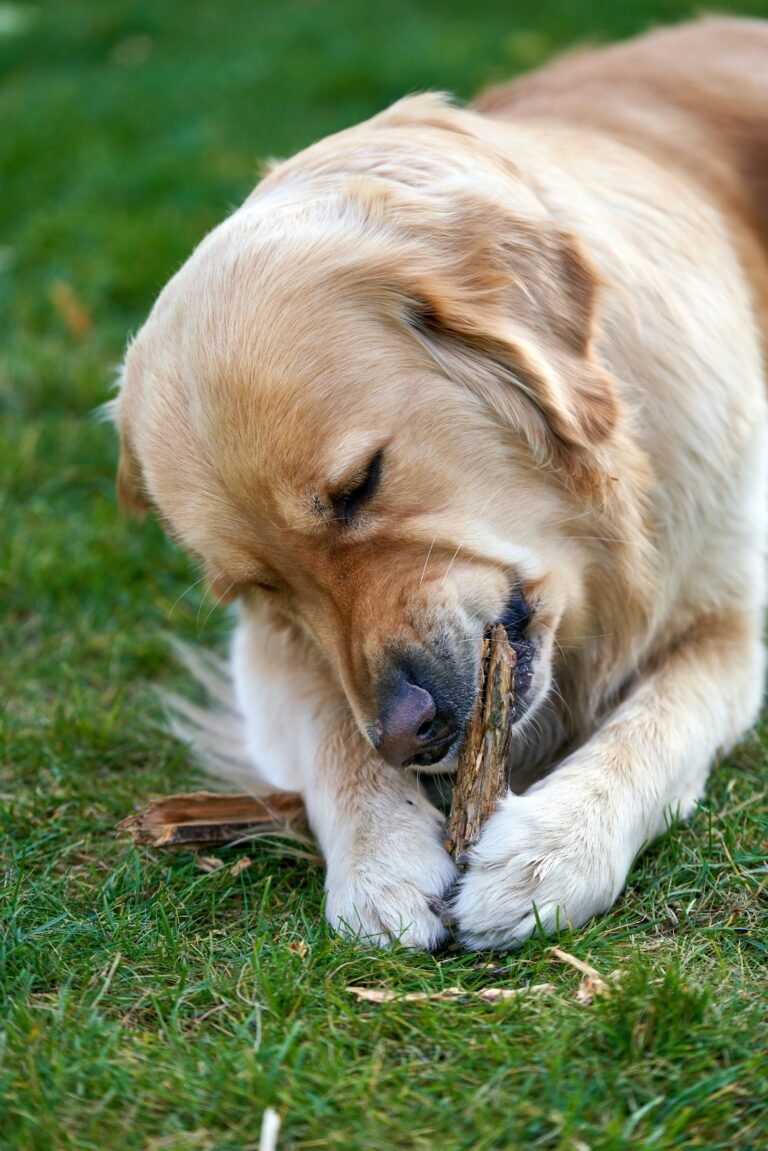
The best chew depends on your dog’s size, chewing strength, and safety needs. A chew should be enjoyable but also appropriate for the dog’s mouth and habits.
Owners should watch their dogs during chewing sessions and replace damaged toys before pieces break off.
- ✦ Match the size
Choose chews that fit your dog’s body size and avoid options that create choking risks.
- ✦ Consider chewing strength
Heavy chewers need tougher materials than gentle chewers.
- ✦ Add variety
Different textures can provide better enrichment and prevent boredom.
Common Chewing Mistakes Dog Owners Should Avoid
Many chewing issues happen because dogs do not receive suitable outlets. Giving the wrong chew can lead to frustration or unsafe habits.
Understanding dog breed chewing preferences allows owners to create a safer and more enjoyable routine.
- ✦ Ignoring supervision
Dogs should be monitored when using new chews or toys.
- ✦ Choosing only based on size
Chewing style matters as much as physical size.
