
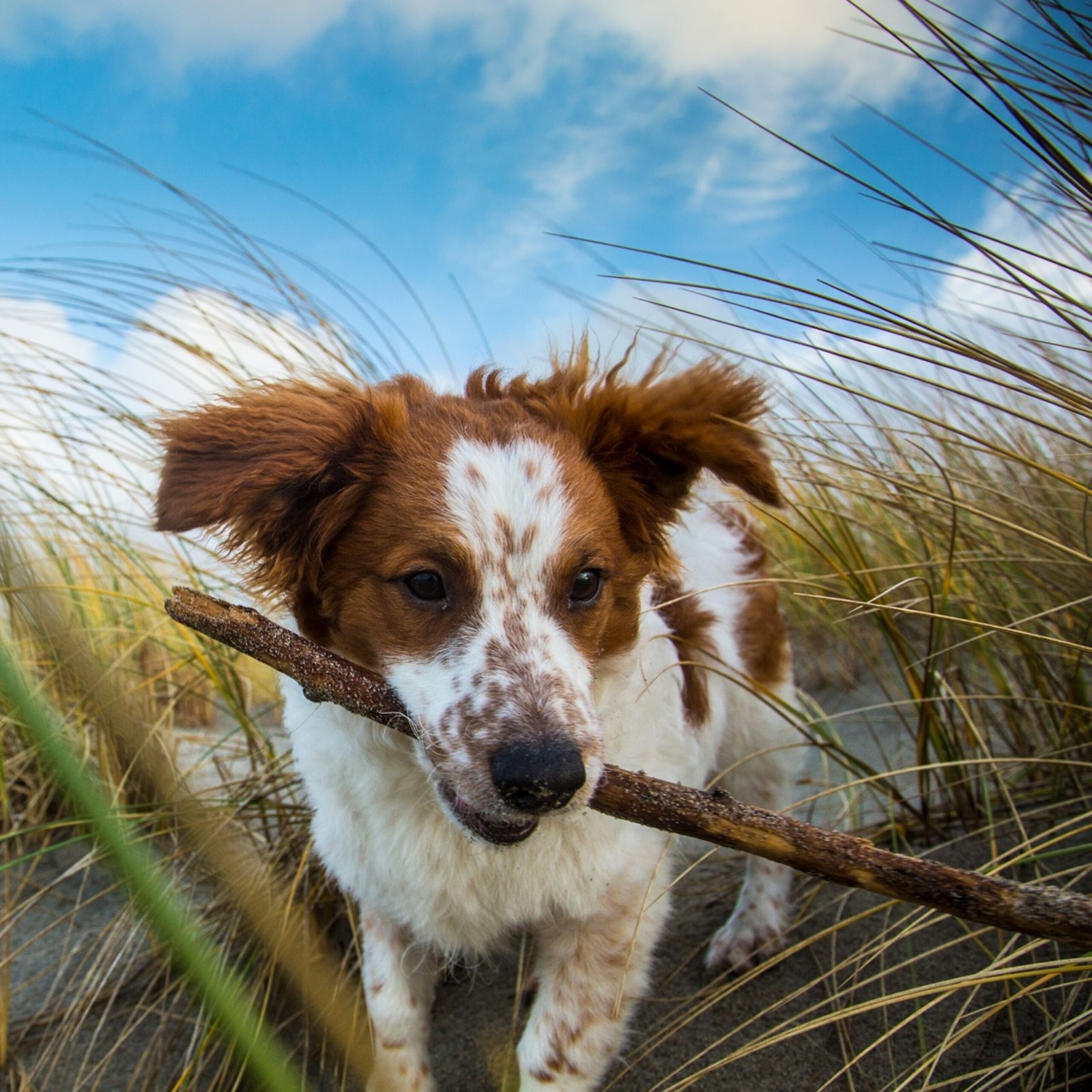
Dog breed chase behavior is one of the most common instincts owners notice. A dog may chase squirrels in a backyard, run after bikes on walks, or follow a moving toy during play. This behavior often connects to a dog’s history, genetics, and daily experiences.
In my experience working with dog behavior topics, chasing is not simply a sign of a bad dog. It is a communication signal. When owners understand the reason behind the chase, they can guide the behavior with better training, safer habits, and proper enrichment.
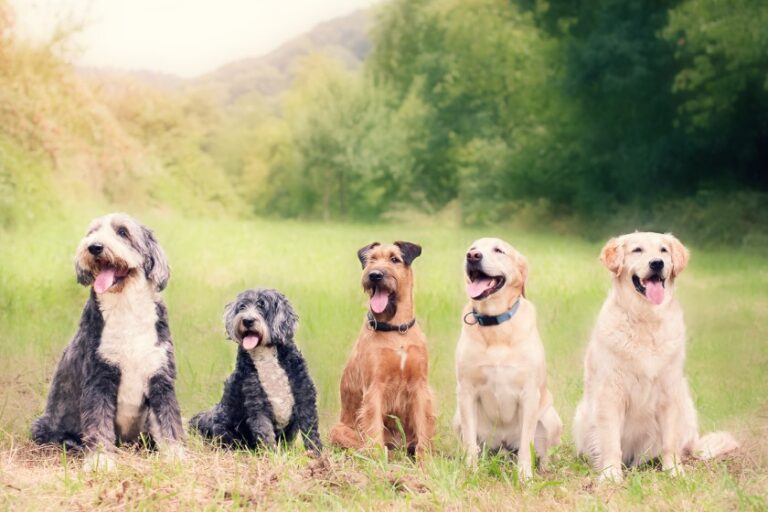
What causes dog breed chase behavior?
Dog breed chase behavior develops from several natural drives. Many dogs are designed to notice movement quickly. Their ancestors used speed, focus, and tracking skills to survive.
Modern dogs do not need to hunt for food, but those instincts can remain. A running rabbit, flying bird, rolling ball, or fast-moving child can activate the same response.

- ✦ Prey drive
Some dogs have a strong instinct to notice and follow small moving animals.
- ✦ Play motivation
Many dogs chase because movement creates excitement and fun during games.
- ✦ Curiosity
Dogs may chase new sights and sounds because they want to explore.
Genetics and breed history
Breed history can influence chase patterns. Herding breeds may chase to control movement, while sporting breeds may follow objects because of their working background.
- ✦ Working traits
Breeding for specific jobs can increase focus on movement and tracking.
Dog breeds that often show stronger chase behavior
Every dog is an individual, but some breed groups often show stronger chasing tendencies. This does not mean every dog from these groups will behave the same way.
Owners should look at the whole dog, including age, training, environment, and personality.
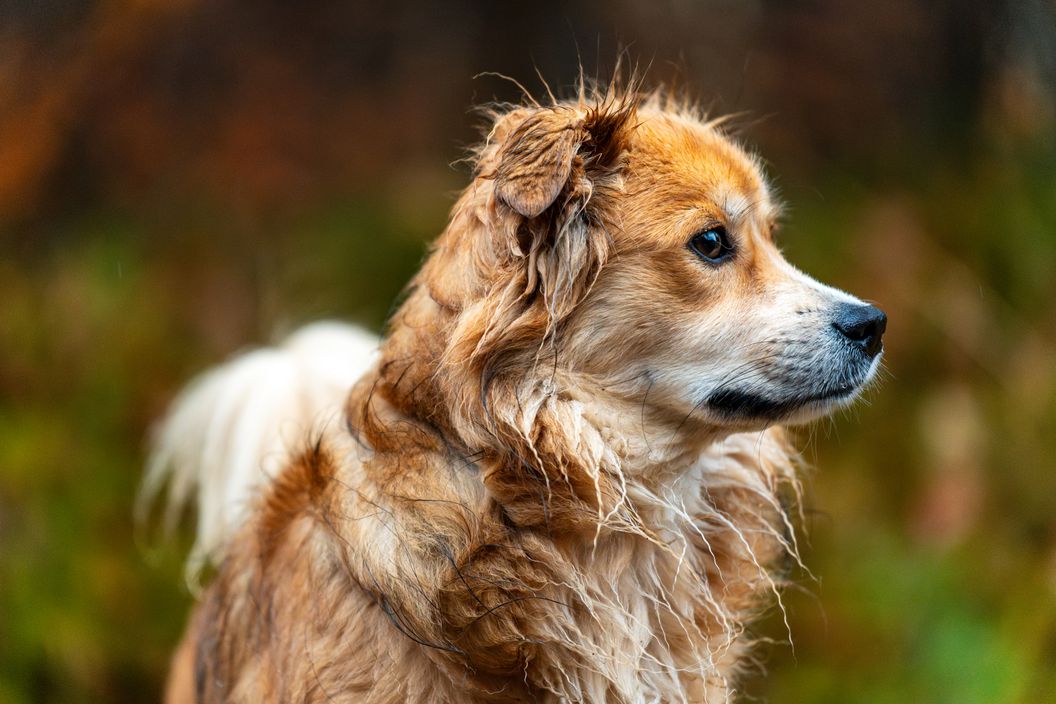
- ✦ Herding breeds
Breeds developed to move livestock may react strongly to fast movement.
- ✦ Sighthounds
Dogs bred to spot and follow moving animals may have powerful chase instincts.
- ✦ Terriers
Many terriers were developed to pursue small animals and may enjoy chase games.
Common triggers behind chasing
Dog breed chase behavior often appears after a specific trigger. Learning these triggers helps owners prevent unsafe situations.
A dog that chases bicycles may not chase because of aggression. The movement itself may be the exciting part.
- ✦ Fast movement
Running animals, vehicles, and toys can quickly attract attention.
- ✦ Noise and excitement
Sudden sounds and high energy situations may increase chasing.
- ✦ Boredom
Dogs without enough activity may create their own chase games.
How to manage dog breed chase behavior safely
The goal is not to remove every natural instinct. Good training teaches dogs when chasing is allowed and when they should focus on their owner.
Positive training methods work well because they reward calm choices and build trust.
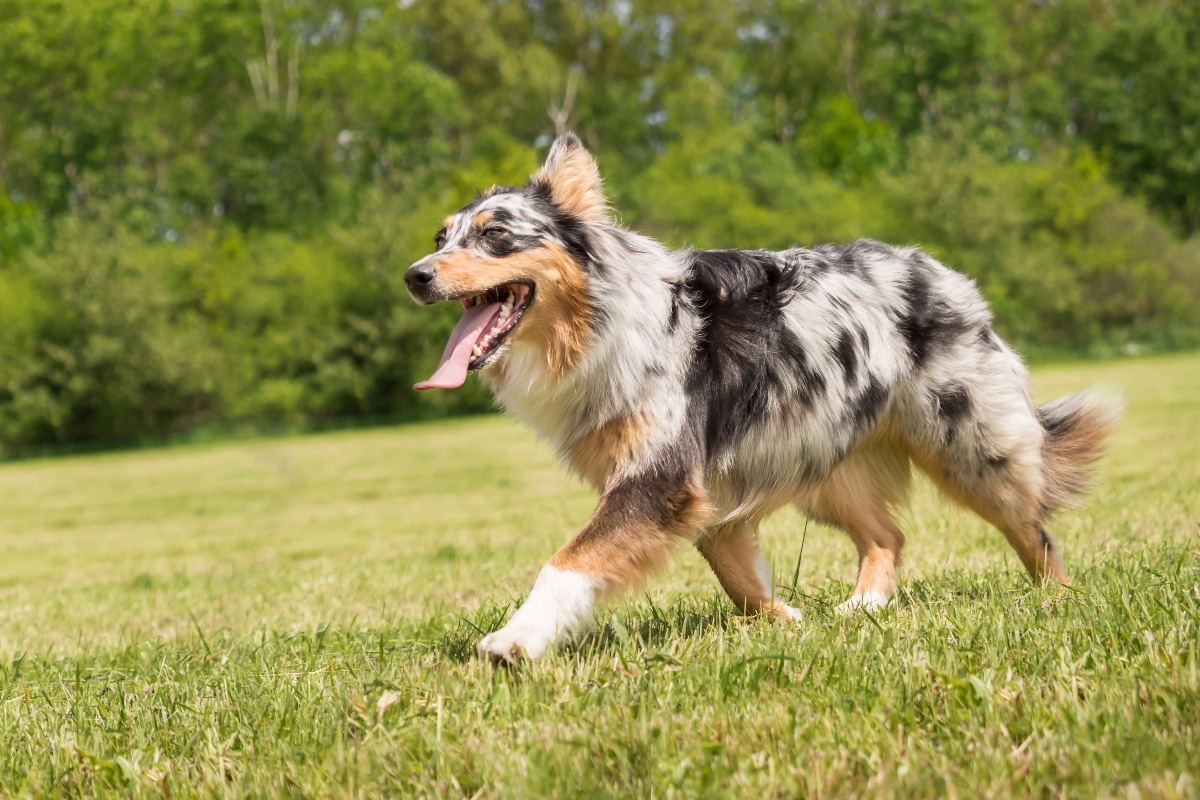
- ✦ Practice recall training
A strong come command helps bring dogs back before they chase.
- ✦ Use controlled games
Fetch and toy games provide safe ways to satisfy chase instincts.
- ✦ Improve daily enrichment
Mental activities can reduce unwanted chasing caused by boredom.
Training tips for everyday walks
Use a leash in areas with wildlife or traffic. Reward your dog when they look at you instead of locking onto a moving target.
- ✦ Reward attention
Treats and praise can teach dogs that calm focus brings rewards.
Healthy ways to satisfy a dog’s chase instinct
Dogs need outlets for natural behaviors. A dog that never gets to use its instincts may look for unsafe ways to chase.
Structured play helps create balance. Owners can provide activities that allow movement while keeping control.
- ✦ Fetch games
Fetch provides controlled chasing and returning practice.
- ✦ Flirt pole games
These games allow chasing in a safe space with clear rules.
- ✦ Nose work
Scent games use natural hunting skills without dangerous chasing.
