
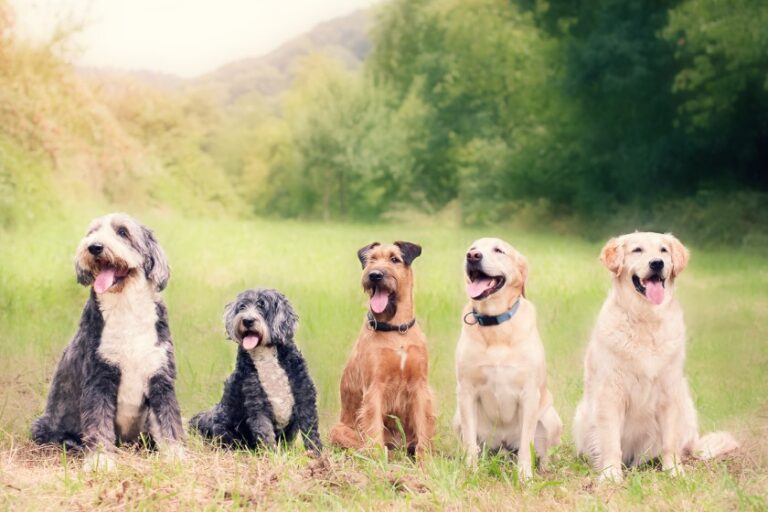
Dog breed tug behavior is shaped by genetics, early experiences, and daily routines. Many dogs love tug because it feels like a natural activity that uses their mouth, body, and mind. A Border Collie, Terrier, or Retriever may enjoy the same game for very different reasons.
From my experience studying dog behavior patterns, tug is more than a simple toy game. It can reveal a dog’s confidence, motivation, energy level, and training style. When used correctly, tug becomes a powerful way to connect with a dog in many American homes.
What is dog breed tug behavior?
Dog breed tug behavior describes how a dog reacts to pulling games with toys, ropes, or other safe objects. The behavior includes grabbing, holding, pulling, shaking, and releasing.
Dogs do not all play tug in the same way. Some dogs pull with intense focus, while others enjoy short and gentle rounds. Breed traits often influence this difference.
- ✦ Grip instinct
Some breeds naturally enjoy using their mouths to hold and control objects because of their working history.
- ✦ Social play
Tug creates a shared activity between a dog and a person, which can strengthen trust.
Why dogs enjoy tug games
Tug games combine movement, problem solving, and interaction. Many dogs enjoy the feeling of chasing and catching a moving object.
The game also gives dogs a safe outlet for energy. A structured tug session can help active dogs stay engaged.
- ✦ Mental stimulation
Dogs must watch, react, and make choices during tug play.
How breed traits influence tug behavior
Dog breed tug behavior often connects with the original purpose of a breed. Dogs created for hunting, herding, guarding, or sport may show different play styles.
This does not mean every dog follows a breed rule. Individual personality matters. A calm Labrador may dislike tug, while a small mixed breed may love it.

- ✦ Terrier breeds
Many Terriers enjoy gripping and pulling because their history involved chasing and controlling small prey.
- ✦ Herding breeds
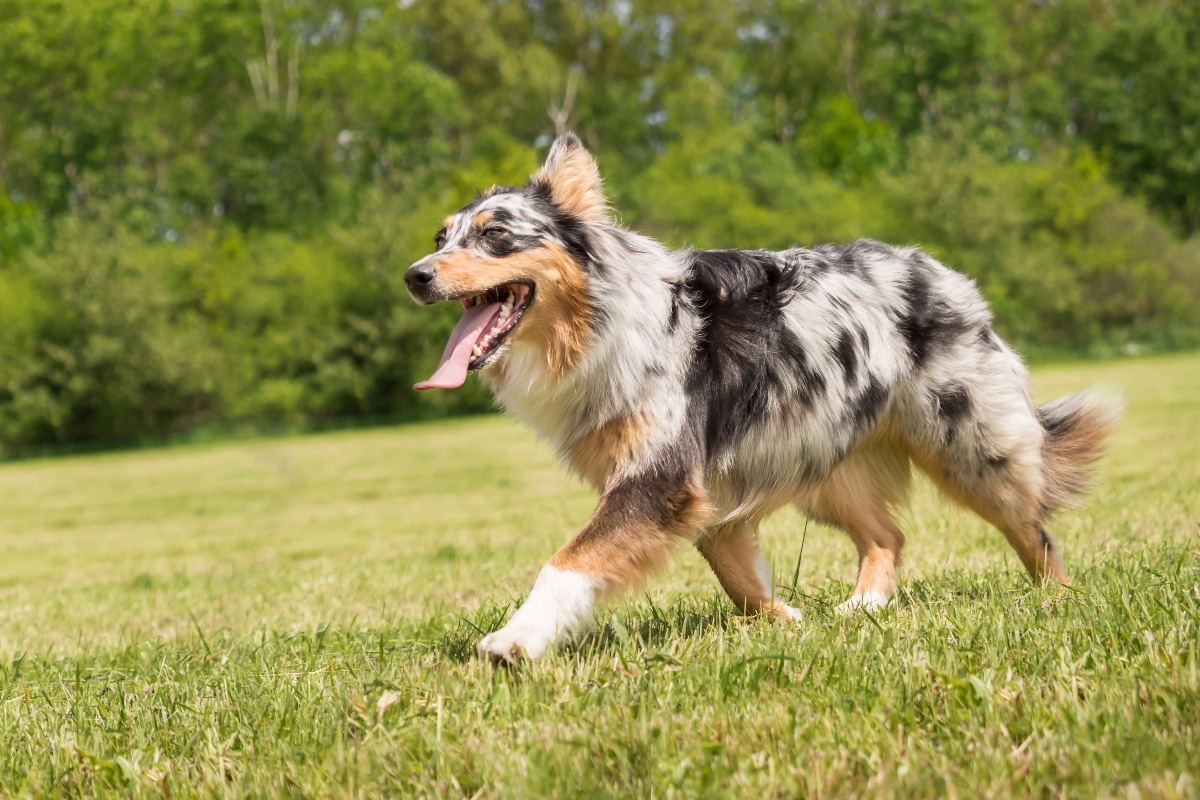
Border Collies and similar breeds may enjoy tug because they like focused tasks and problem solving.
- ✦ Retrievers
Many Retrievers enjoy carrying and holding toys, which can make tug a natural game.
Working dogs and tug motivation
Working breeds often respond well to tug because the game gives them a clear job. They can practice self-control while using their natural drive.
Professional trainers often use tug toys as rewards because many dogs value play more than food.
- ✦ Training reward
Tug can reinforce good behavior when the dog learns rules like wait, take, and drop.
Benefits of tug play for dogs
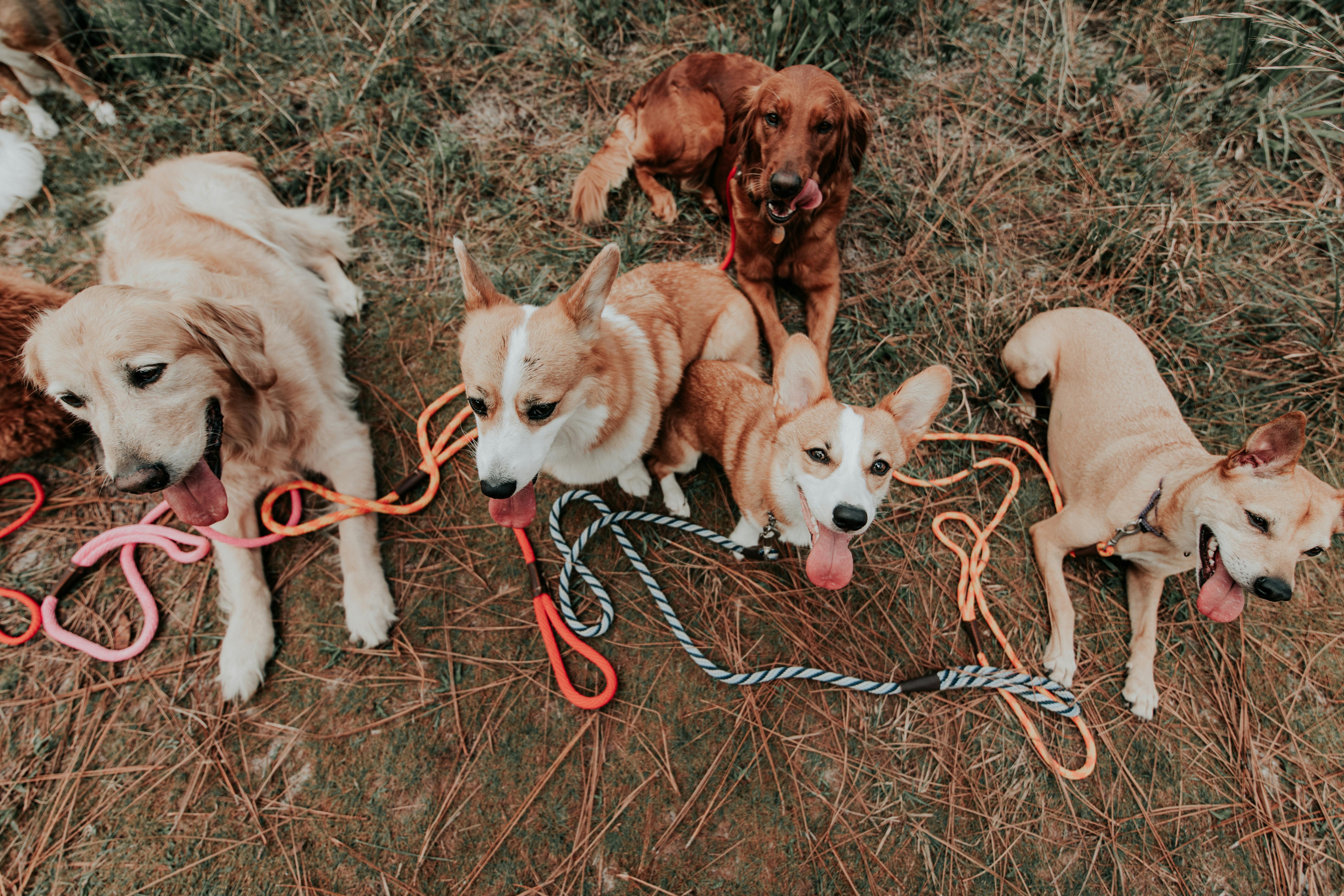
Dog breed tug behavior can provide many benefits when owners create clear rules. Tug is not only exercise. It is also a way to build communication.
Many families in the United States use interactive play because busy schedules can limit outdoor activity. A short tug session can give a dog meaningful engagement.
- ✦ Physical exercise
Pulling and moving during tug helps dogs use their muscles and burn energy.
- ✦ Better focus
Dogs learn to listen and control excitement during structured games.
- ✦ Stronger bond
Shared play helps dogs build positive feelings toward their owners.
Tug as enrichment
Enrichment gives dogs healthy ways to use natural behaviors. Tug can satisfy the need to grab, pull, and interact.
Owners should combine tug with walks, sniffing, training, and other activities for a balanced routine.
How to play tug safely with your dog
Safe tug play requires simple rules. The dog should learn that the game starts and stops when the owner decides.
A good tug session stays fun and controlled. Avoid pulling upward or twisting the dog’s neck, especially with puppies or dogs with health concerns.
- ✦ Use proper toys
Choose strong tug toys made for dogs and check them often for damage.
- ✦ Teach release
A drop command helps dogs understand when the game pauses.
- ✦ Watch body language
Stop if the dog becomes stressed, overly frustrated, or uncomfortable.
Common tug mistakes
Some owners allow dogs to become too excited without teaching boundaries. This can make play harder to manage.
The goal is not to win against the dog. The goal is to create teamwork and clear communication.
Signs your dog loves tug games
Dog breed tug behavior becomes easy to understand when owners watch their dog’s signals. A willing dog usually shows excitement and engagement.
Some dogs may prefer other games, and that is normal. Play preference depends on personality, age, and past experiences.
- ✦ Brings the toy back
A dog that returns a tug toy often wants another round.
- ✦ Focused attention
Dogs that stare at the toy and wait for movement often enjoy the challenge.
- ✦ Relaxed excitement
Healthy play includes energy while keeping a relaxed body.
