
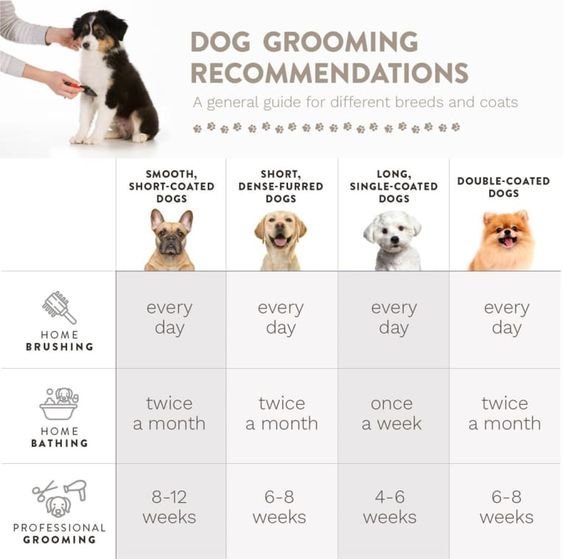
Dog breed grooming tolerance is an important part of everyday pet care in the United States. A dog that accepts brushing, nail care, ear cleaning, and bathing is easier to keep healthy and comfortable. However, tolerance is not fixed. Dogs can learn to feel safer with grooming through patient practice.
From working with dogs, one clear lesson stands out: the easiest grooming sessions come from trust, not force. A breed may have a reputation for being easy or difficult to groom, but each dog has its own history, fears, and comfort level. Good grooming starts by understanding the individual dog.
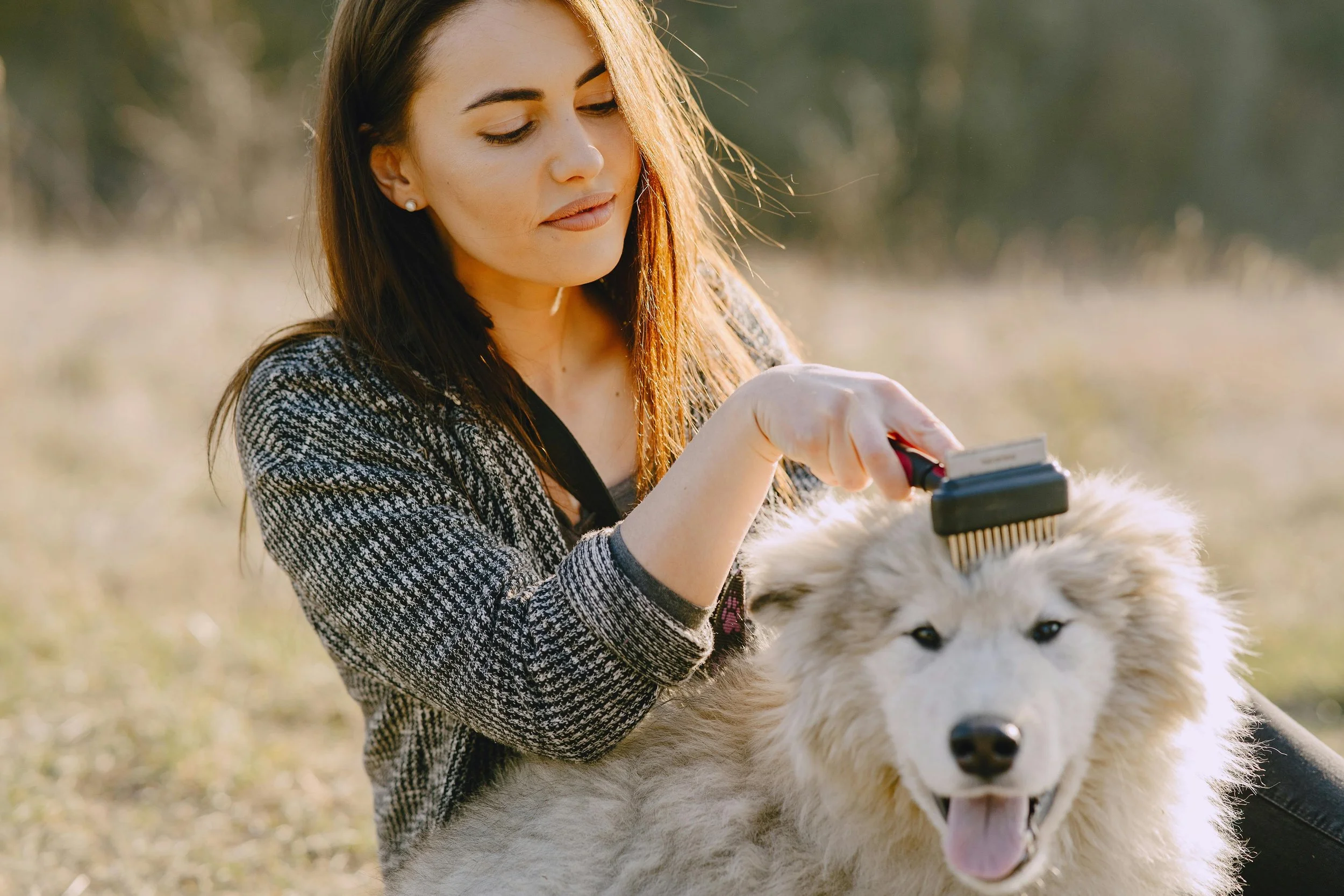
What Is Dog Breed Grooming Tolerance?
Dog breed grooming tolerance refers to how well a dog accepts physical care tasks. These tasks include brushing, clipping, bathing, drying, paw handling, and coat inspection. A tolerant dog may relax during these activities instead of showing stress.
Dog breed grooming tolerance does not mean a dog enjoys every grooming step. Many dogs simply learn that grooming is safe and predictable. This difference is important because comfort can improve with training.

- ✦ Calm acceptance
A dog stays relaxed while a person touches different body areas during grooming.
- ✦ Safe communication
A dog can show discomfort without panic, biting, or extreme stress.
- ✦ Positive learning
The dog connects grooming with rewards, care, and trust.
Why grooming tolerance matters
Good grooming tolerance supports better hygiene and health checks. Owners and groomers can notice skin issues, ear problems, or coat changes earlier when a dog accepts handling.
Factors That Influence Dog Breed Grooming Tolerance
Dog breed grooming tolerance depends on many factors. Coat type, body sensitivity, past experiences, and early social learning all play a role. A calm breed can still dislike grooming if it has had a painful or frightening experience.
Many professional groomers look beyond breed labels. They watch body language, breathing, movement, and stress signals before starting a grooming routine.
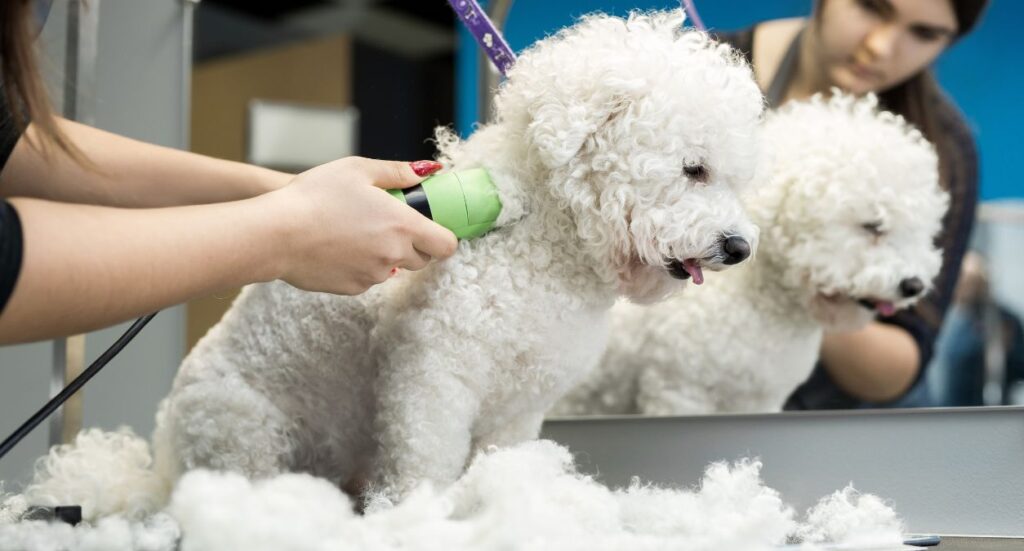
- ✦ Coat characteristics
Long, thick, curly, or double coats often require more handling and longer grooming sessions.
- ✦ Early experiences
Puppies introduced to grooming slowly often develop stronger comfort with handling.
- ✦ Individual personality
Confidence, sensitivity, and past experiences affect each dog’s response.
How Different Dog Breeds Respond to Grooming
Dog breed grooming tolerance often varies between breed groups. Dogs developed for close human work may respond differently from independent breeds. However, these are general patterns and not rules for every dog.
Breeds with heavy grooming needs often benefit from regular routines. Frequent gentle care can make grooming feel normal instead of stressful.

- ✦ High grooming needs
Dogs with long or dense coats may need frequent brushing and careful handling.
- ✦ Low maintenance coats
Short-coated dogs may need less grooming but still require nail, ear, and skin care.
Breed traits are only one part of the picture
A dog’s genetics can influence behavior, but training and experience have a major impact. A fearful dog can improve with careful grooming practice.
Training Methods to Improve Grooming Tolerance
Improving Dog breed grooming tolerance starts with small steps. Owners should avoid rushing through difficult grooming tasks because fear can grow when a dog feels trapped.
Reward-based training works well because the dog learns that grooming predicts good experiences. Short sessions are often more successful than long sessions.

- ✦ Start with touch
Practice gentle handling of paws, ears, and face before adding tools.
- ✦ Use rewards
Treats and praise help create positive grooming associations.
- ✦ Increase slowly
Add brushing, bathing, or clipping steps only when the dog stays comfortable.
Common Signs of Poor Grooming Tolerance
Dogs often communicate stress before they react strongly. Learning these signs helps owners protect trust and prevent grooming problems.
A dog with low Dog breed grooming tolerance may need slower training, professional support, or changes in grooming methods.
- ✦ Avoidance
The dog moves away, hides, or refuses to approach grooming tools.
- ✦ Stress signals
Yawning, lip licking, shaking, or tense posture may show discomfort.
- ✦ Defensive reactions
Growling or snapping can indicate that the dog feels unsafe.
