
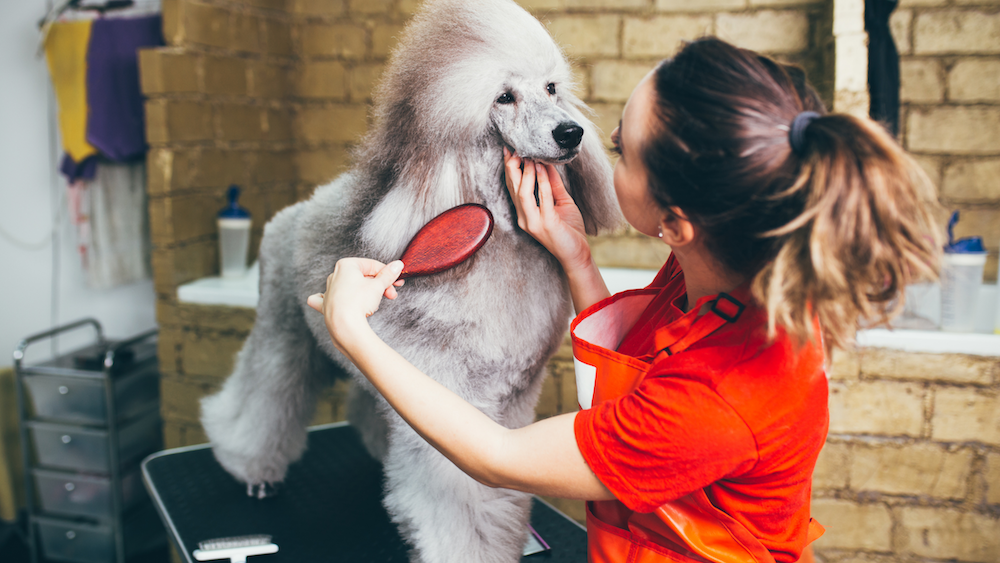
Dog breed handling tolerance is one of the most important skills for a safe and happy life with a dog. Every dog needs some level of handling for grooming, nail trims, medicine, health checks, and veterinary visits. A dog that feels safe during these moments is easier to care for and less likely to experience fear.
In my experience studying dog behavior and training methods, I have seen that handling tolerance is not simply about breed. A Labrador, Poodle, or mixed-breed dog can dislike touch if it has poor experiences. A sensitive dog can also become comfortable when people build trust with patience and clear communication.
What is dog breed handling tolerance?
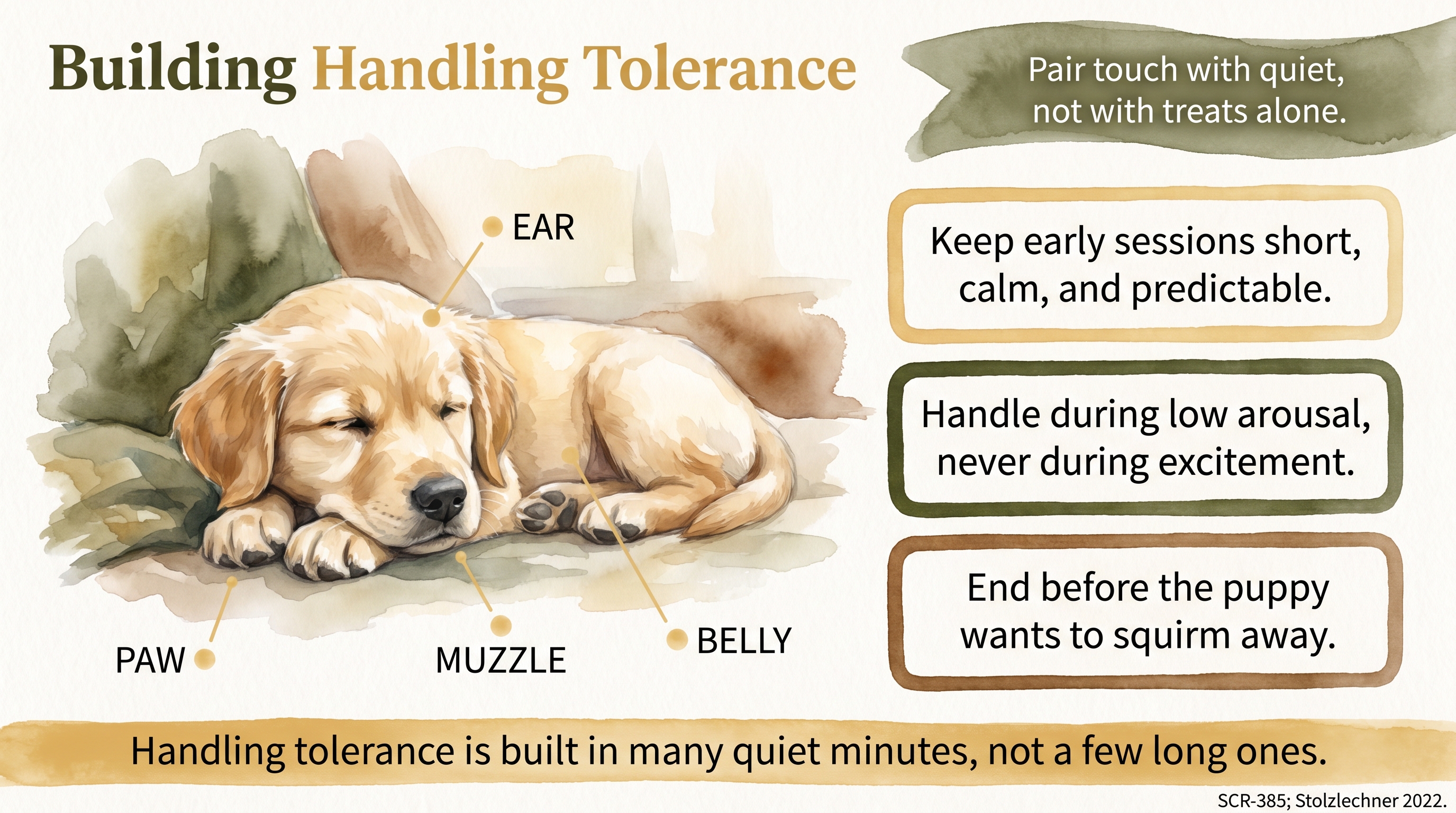
Dog breed handling tolerance refers to how a dog reacts when humans touch or move different parts of its body. This includes touching paws, ears, mouth, tail, coat, and skin. It also includes being held still during grooming or medical care.
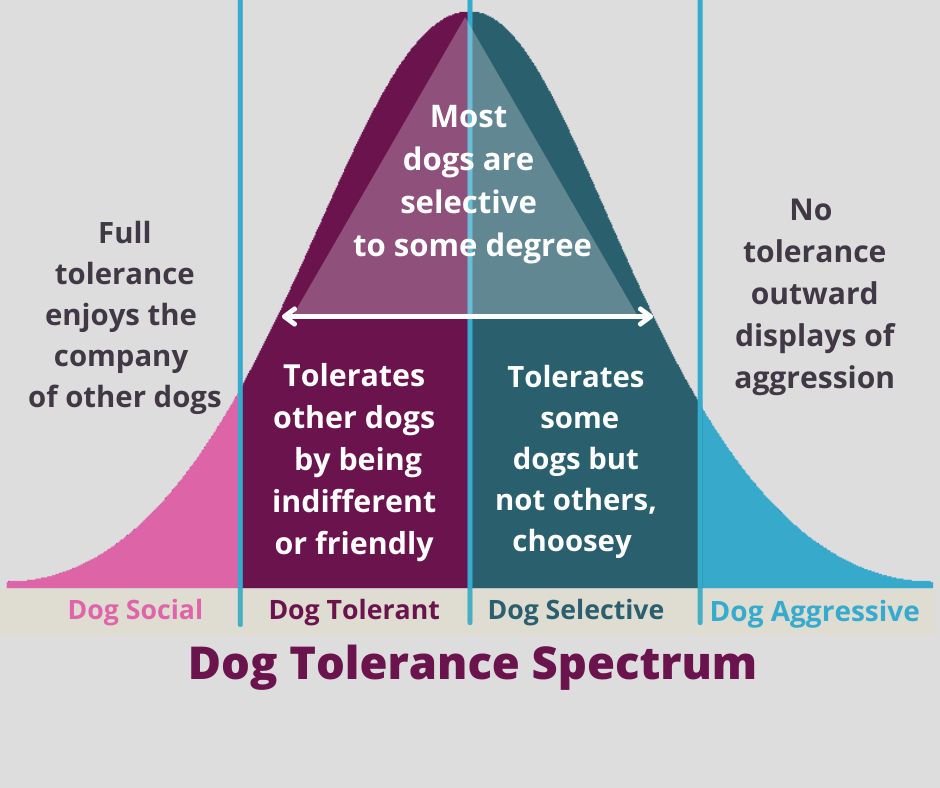
Dog breed handling tolerance does not mean a dog must enjoy every type of touch. A tolerant dog may simply remain calm and allow necessary care without stress. Comfort, trust, and choice are important parts of healthy handling.
- ✦ Daily care acceptance
Dogs with good handling tolerance usually accept brushing, bathing, nail care, and routine body checks more easily.
- ✦ Stress response control
A tolerant dog can recover quickly when an unfamiliar person touches or examines it.
- ✦ Safety benefit
Better handling tolerance reduces risks during grooming, emergency care, and veterinary visits.
Handling tolerance is different from obedience
A dog can follow commands and still feel uncomfortable with touch. Obedience focuses on actions, while handling tolerance focuses on emotional comfort. Good training supports both skills.
How breed traits influence handling tolerance
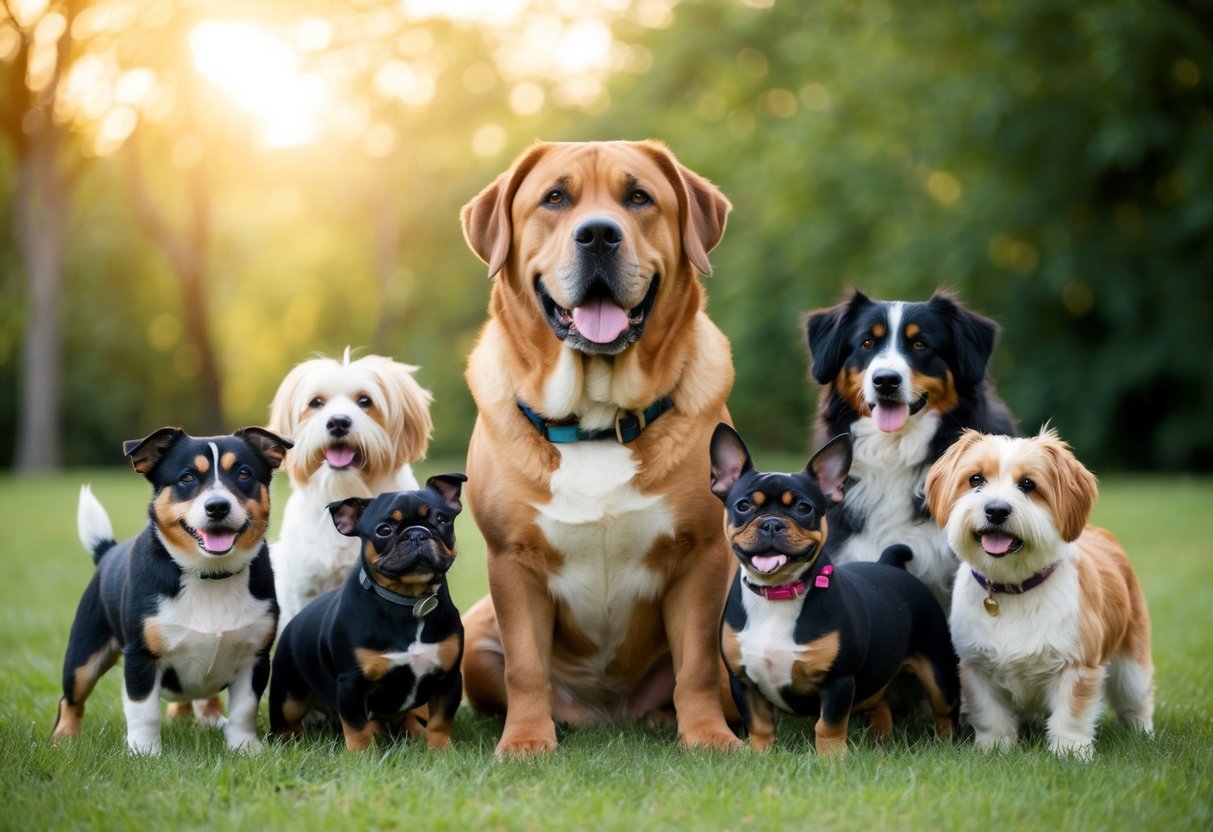
Dog breed handling tolerance can be affected by inherited traits. Some breeds were developed for close teamwork with humans, while others were bred for independence or guarding roles. These differences can influence how dogs respond to physical contact.
However, breed alone never decides a dog’s personality. Individual history, socialization, and training often create bigger differences between dogs from the same breed.
- ✦ Working breeds
Many working dogs are trained for close human cooperation, but they still need positive handling experiences.
- ✦ Sensitive breeds
Some dogs may react strongly to sudden touch and need slower introductions.
- ✦ Companion breeds
Many companion dogs enjoy human contact but still need respectful handling.
Why individual personality matters
Two dogs of the same breed can have very different comfort levels. One may enjoy grooming sessions, while another may need months of careful practice. Owners should observe the individual dog instead of relying only on breed expectations.
Signs of good and poor handling tolerance
Understanding body language is key to improving Dog breed handling tolerance. Dogs often communicate discomfort before they growl or move away. Learning these early signals helps owners prevent fear and build trust.
A calm dog may still show small signs of uncertainty. Good handlers watch the whole body instead of focusing on one signal.

- ✦ Signs of comfort
Relaxed muscles, soft eyes, normal breathing, and staying near the person are common signs of comfort.
- ✦ Signs of stress
Lip licking, turning away, freezing, yawning, or avoiding touch may show discomfort.
- ✦ Warning signals
Growling, snapping, or sudden movement means the dog needs space and a safer training plan.
How to build dog breed handling tolerance safely
Dog breed handling tolerance improves through small steps. Forcing a dog to accept touch often creates more fear. Instead, owners should connect touch with rewards and positive experiences.
A good handling plan starts with easy areas like shoulders or back. Owners can slowly introduce more sensitive areas such as paws, ears, and mouth.

- ✦ Start with short sessions
Practice for a few seconds and stop before the dog becomes uncomfortable.
- ✦ Use rewards
Treats and praise help dogs create positive associations with handling.
- ✦ Respect boundaries
Allowing breaks teaches dogs that humans listen to their signals.
A simple handling practice routine
Touch one body area gently, give a reward, and stop. Repeat often. Over time, increase the length and type of touch while keeping the dog relaxed.
- ✦ Step one
Touch an easy area such as the shoulder.
- ✦ Step two
Reward calm behavior immediately.
- ✦ Step three
Slowly introduce grooming and care movements.
Handling tolerance for grooming and veterinary care
Many problems with Dog breed handling tolerance appear during grooming or medical visits. Dogs may accept normal petting but struggle when someone holds a paw or checks their ears. These situations require special preparation.
In the United States, regular veterinary exams are an important part of preventive care. Teaching dogs to accept gentle examination can make visits safer for the dog, owner, and veterinary team.
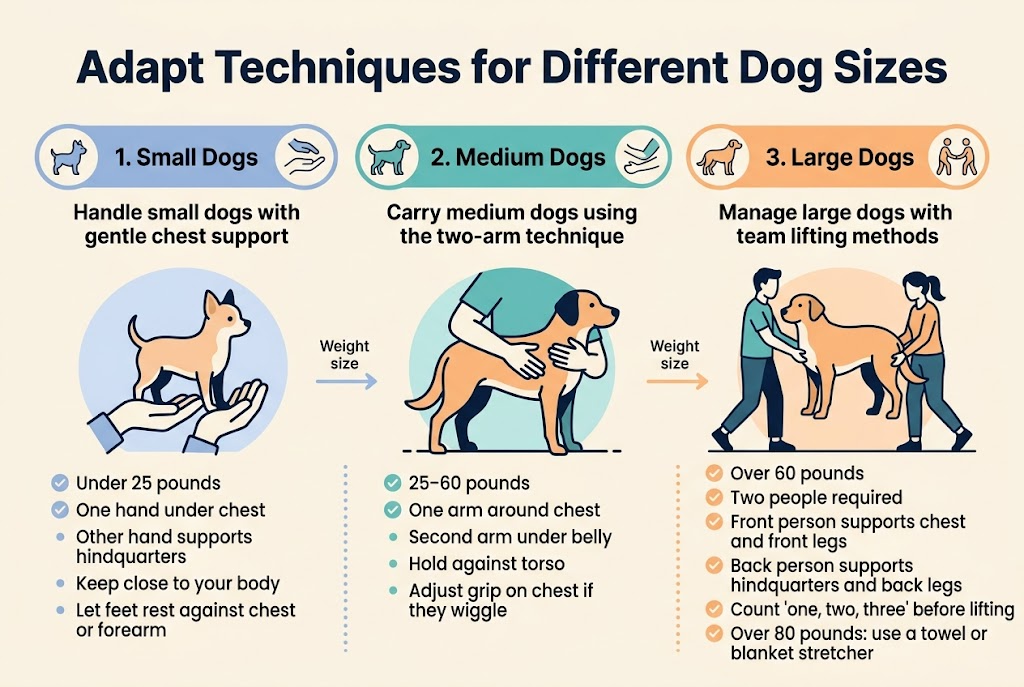
- ✦ Paw handling
Practice touching paws before nail trims to reduce fear.
- ✦ Ear checks
Reward calm ear touching to prepare for health exams.
- ✦ Mouth checks
Slow training helps dogs accept dental care routines.
Common mistakes that reduce handling tolerance
Owners often damage Dog breed handling tolerance without realizing it. Quick grabs, forced restraint, and ignoring stress signals can teach dogs that human touch is unsafe.
The goal is not to control every movement. The goal is to create a dog that trusts people during necessary care.
- ✦ Forcing contact
Holding a scared dog still can increase fear and resistance.
- ✦ Ignoring body language
Missing early stress signs can lead to stronger reactions later.
- ✦ Moving too fast
Progress should match the dog’s comfort level.
