
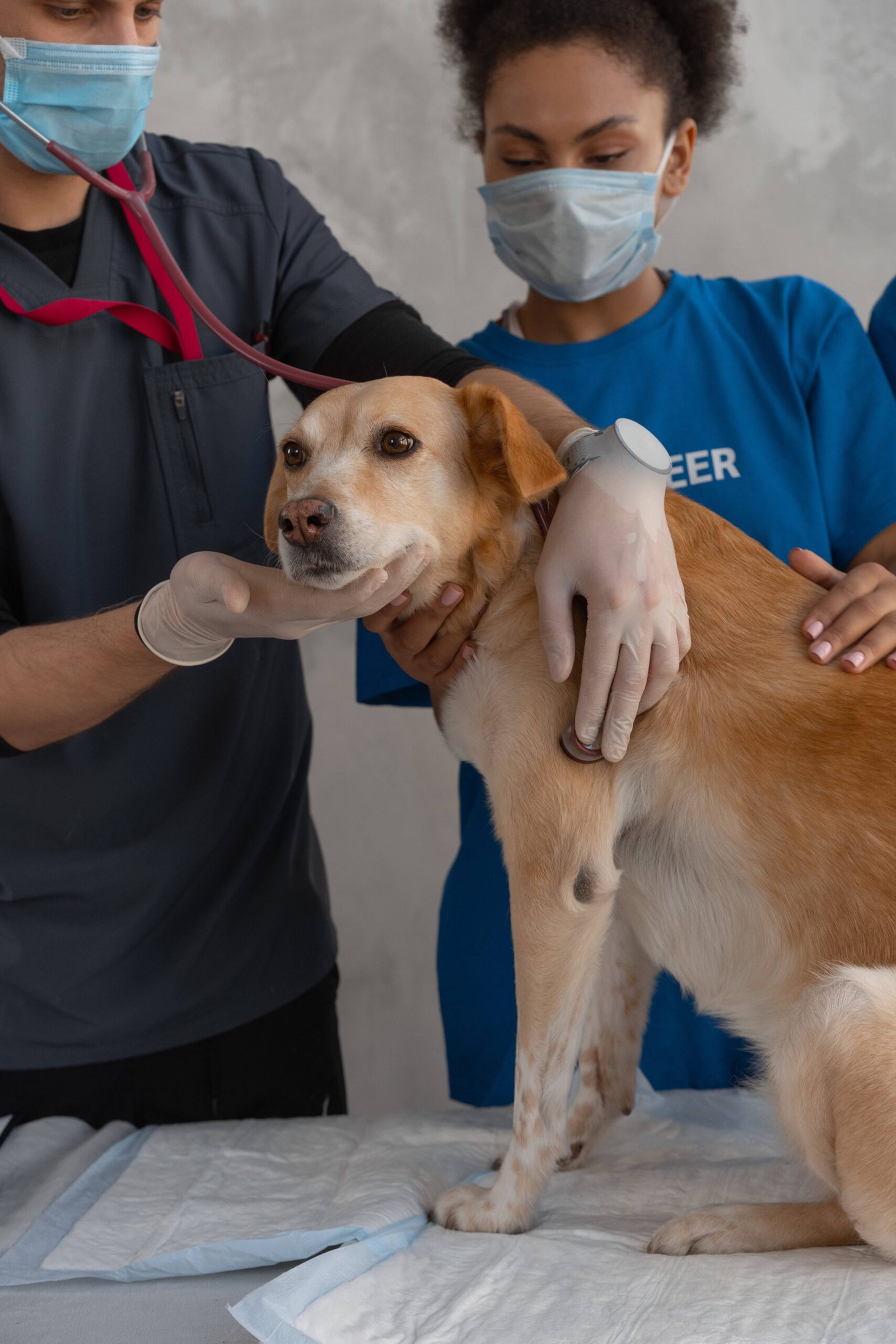
Dog breed veterinary handling plays a major role in creating positive health care experiences. Every dog has different needs based on size, body structure, temperament, past experiences, and training history. A calm approach helps vets complete exams while keeping dogs comfortable.
In my experience studying dog behavior and care practices, the best veterinary visits start before the clinic door opens. Dogs that learn gentle handling at home often adjust better to physical exams, nail checks, ear cleaning, and routine treatments.
What is Dog breed veterinary handling?
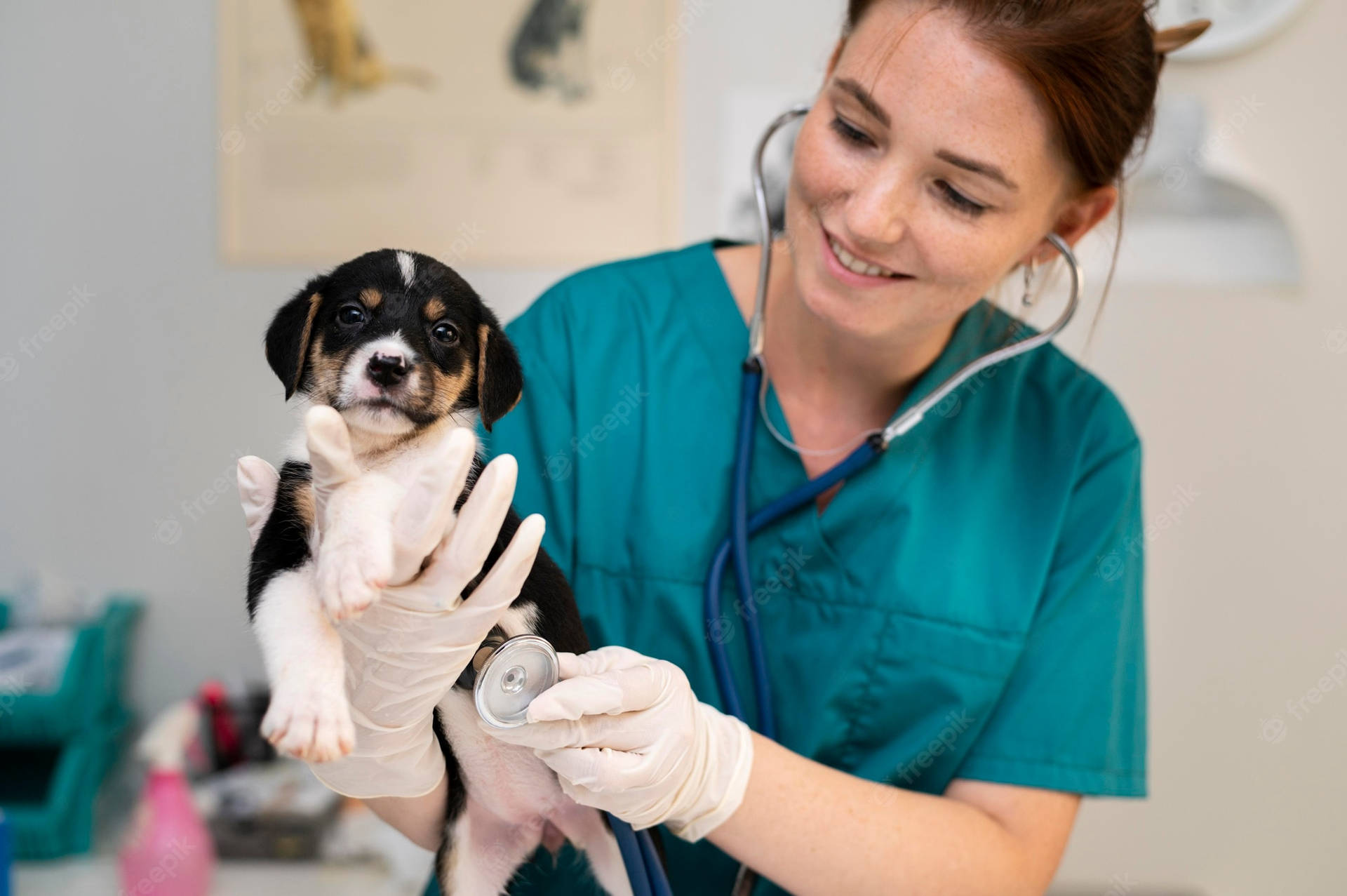
Dog breed veterinary handling is the process of safely managing dogs during medical care while considering their natural traits. A small terrier, a large guardian breed, and a sensitive companion dog may react differently to the same procedure.
Veterinary teams use body language, gentle restraint, rewards, and careful movement to reduce fear. The goal is not just control. The goal is trust and cooperation.
- ✦ Breed awareness
Veterinary professionals consider size, energy level, sensitivity, and common behavior patterns when handling each dog.
- ✦ Safety first
Proper handling protects the dog and prevents stress-related reactions during exams.
Why breed traits matter during veterinary care
Different breeds may show stress in different ways. Some dogs freeze quietly, while others move away, bark, or become tense.
Understanding these signals helps veterinary teams choose better handling methods.
- ✦ Large breeds
Large dogs need support for balance and movement because their weight can affect safe examination techniques.
How veterinarians use low-stress handling methods
Modern Dog breed veterinary handling focuses on reducing fear and building cooperation. Many clinics use calm voices, slow movements, treats, and consent-based techniques.
A dog that feels safe is easier to examine. This improves the quality of care because the veterinarian can observe natural behavior and complete necessary checks.

- ✦ Gentle approach
The veterinary team allows the dog time to adjust before starting an examination.
- ✦ Positive rewards
Treats and praise can help dogs connect veterinary care with good experiences.
Preparing your dog for veterinary handling at home
Owners can support Dog breed veterinary handling by practicing simple exercises at home. Short sessions are better than forcing long interactions.
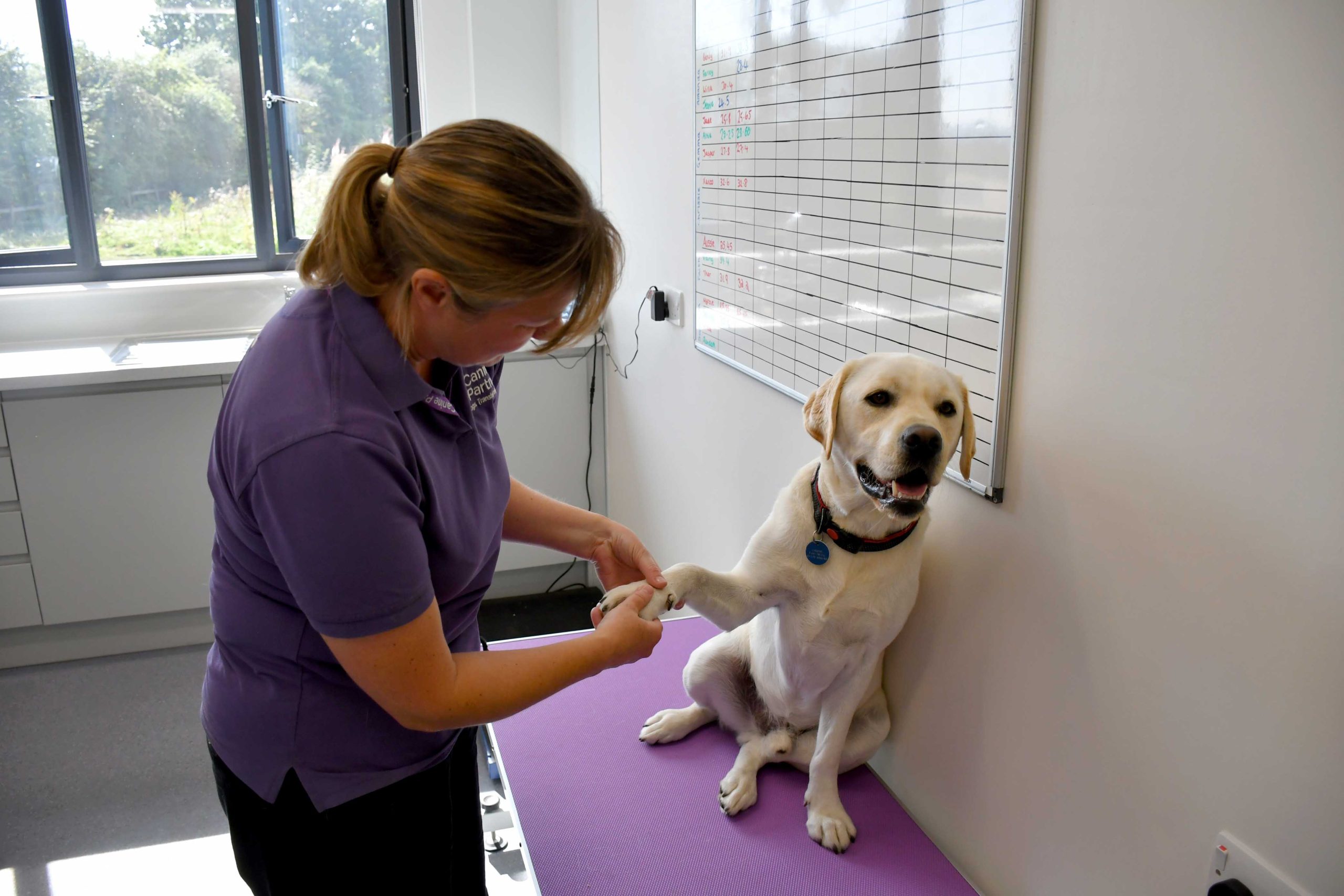
Touch training helps dogs accept common veterinary actions such as checking paws, looking at ears, and opening the mouth.

- ✦ Practice gentle touch
Touch different body areas briefly and reward calm behavior.
- ✦ Create positive routines
Use treats and praise during handling practice to build confidence.
Common home exercises
Owners can slowly practice lifting paws, checking teeth, and holding a collar. These steps prepare dogs for routine veterinary procedures.
- ✦ Short sessions
Keep training sessions brief and stop before the dog becomes uncomfortable.
Handling challenges with different dog breeds
Dog breed veterinary handling can become challenging when a dog has fear, poor socialization, previous trauma, or strong protective instincts.
The solution is careful planning. Veterinary teams may change the environment, use extra time, or adjust examination methods.
- ✦ Fearful dogs
Fearful dogs may need slower introductions and extra space during visits.
- ✦ Strong dogs
Powerful breeds require skilled positioning and safe movement techniques.
The role of owners in successful veterinary visits
Owners are an important part of Dog breed veterinary handling. A dog’s behavior often improves when the owner stays calm and follows the veterinary team’s instructions.
Regular visits, early training, and honest communication about behavior help create safer appointments.

- ✦ Share information
Tell the veterinarian about fears, triggers, and previous handling experiences.
- ✦ Maintain training
Continue handling practice even when the dog is healthy.
Benefits and limits of professional veterinary handling
Good Dog breed veterinary handling improves safety, reduces fear, and allows better medical examinations. It supports long-term health because dogs are more likely to receive regular care.
However, handling methods do not remove every challenge. Some dogs may still need special plans, behavior support, or additional veterinary guidance.

- ✦ Better examinations
Calmer dogs allow veterinarians to collect more accurate health information.
- ✦ Improved trust
Positive experiences help dogs feel safer during future visits.
