
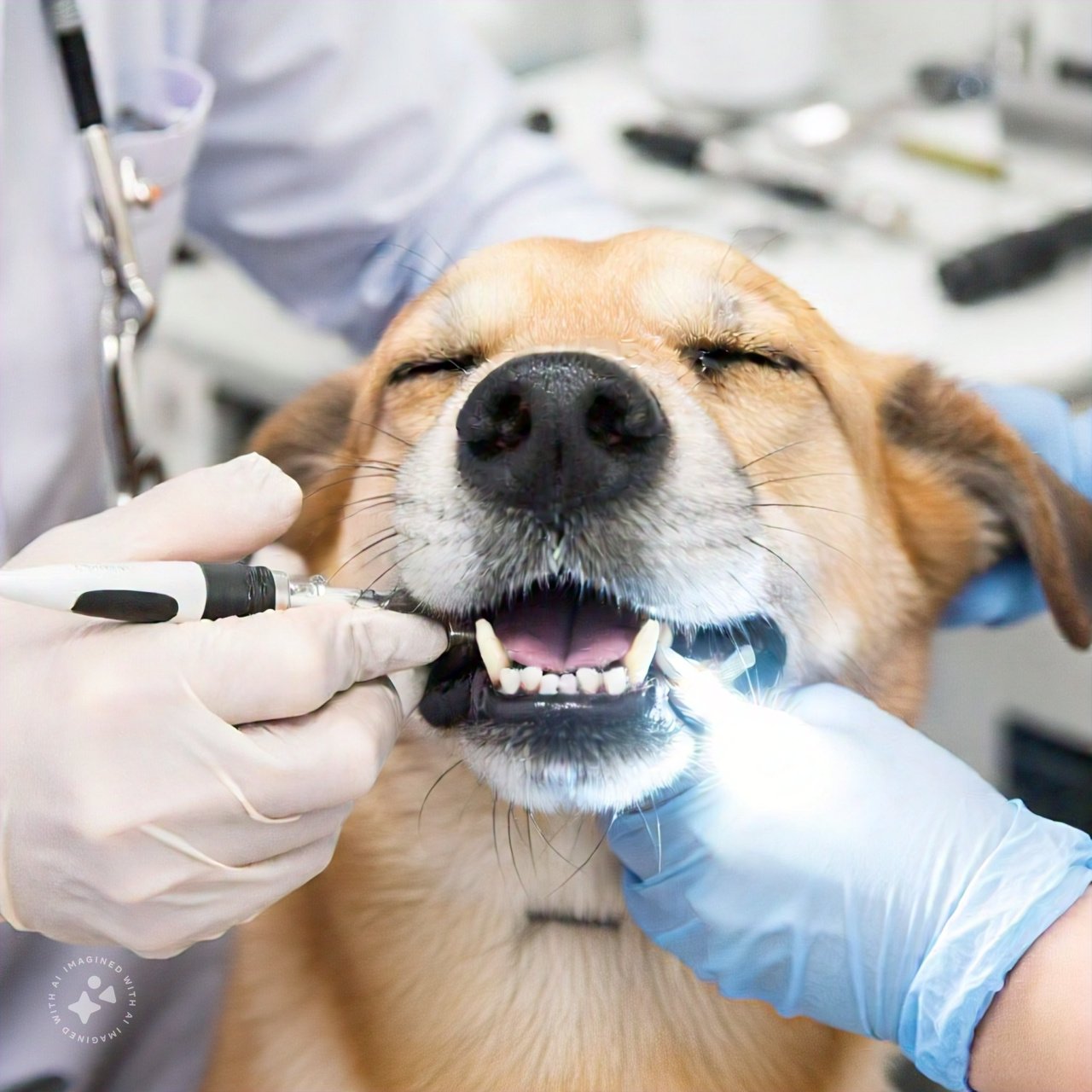
Many dog owners know dental care matters, but the hardest part is often getting a dog to accept it. A dog may dislike having its mouth touched, especially if it never learned this skill when young.
Through my experience studying dog training routines, I have found that dental care works best when owners treat it like any other training skill. Small steps, patience, and rewards help dogs feel safe during tooth brushing and mouth checks.

Why Dog Breed Dental Care Training Matters
Dental care is a daily health habit, not just a cosmetic task. Plaque and bacteria can build on teeth and may lead to bad breath, gum problems, and discomfort.
Dog breed dental care training helps dogs stay relaxed during brushing, veterinary exams, and mouth inspections. This makes routine care easier throughout a dog’s life.
- ✦ Creates trust
Dogs learn that mouth handling is safe when owners introduce it slowly.
- ✦ Supports regular care
A trained dog is more likely to accept brushing several times each week.
Dental habits should start early
Puppies often adapt quickly because they are still learning new experiences. However, adult dogs can also learn dental routines with the right approach.
Understanding Breed Differences in Dental Training
Every dog has a different personality, mouth shape, and comfort level. Small breeds may need extra attention because their teeth can become crowded more easily.
Large breeds may accept handling more easily, but every dog needs individual training based on confidence and past experiences.
- ✦ Small breeds
Use gentle tools and short sessions because small mouths can be sensitive.
- ✦ Nervous dogs
Focus on trust building before introducing a toothbrush.
- ✦ Confident dogs
Gradually increase brushing time while keeping rewards consistent.
Reading your dog’s body language
Signs like turning away, lip licking, freezing, or pulling back show that the dog may need a slower training pace.
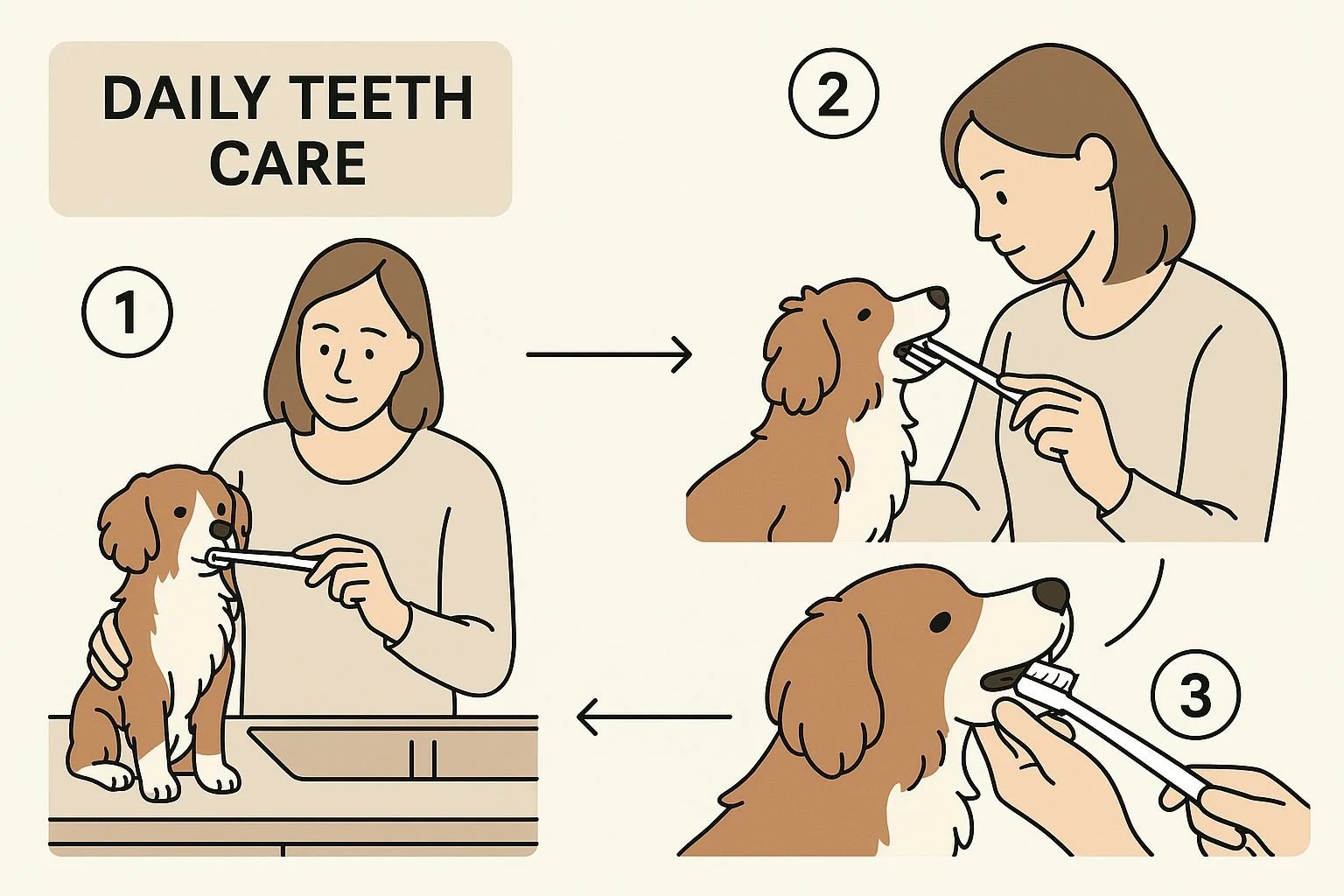
How to Start Dog Breed Dental Care Training Step by Step
The goal of Dog breed dental care training is not to force a dog to accept brushing. The goal is to create a positive experience.
Start with simple actions before using toothpaste or a brush. Let your dog understand that mouth care brings good things.
- ✦ Step 1: Touch the face
Reward your dog when it calmly accepts gentle touches around the cheeks and mouth.
- ✦ Step 2: Lift the lips
Practice short lip lifts and reward relaxed behavior.
- ✦ Step 3: Introduce tools
Allow your dog to smell the toothbrush before using it.
- ✦ Step 4: Brush slowly
Begin with a few seconds and increase the time gradually.
Using positive reinforcement
Treats, praise, and calm words help dogs connect dental care with positive results. Avoid punishment because fear can make future sessions harder.
Choosing Dental Tools for Training Success
The right tools can make Dog breed dental care training smoother. Owners should choose products designed for dogs because human toothpaste may contain ingredients that are unsafe for pets.
A soft dog toothbrush, finger brush, and dog-safe toothpaste are common options for home routines.

- ✦ Dog toothbrush
A soft brush helps clean teeth while protecting gums.
- ✦ Dental treats
Dental chews can support oral care but should not replace brushing.
- ✦ Professional cleaning
Veterinary dental checks help find problems that owners cannot see.
Avoiding common mistakes
Many owners rush the process. A few calm minutes each day usually works better than one stressful long session.
Creating a Long-Term Dental Care Routine
Consistency is the key part of Dog breed dental care training. Dogs learn through repetition, so regular short sessions build stronger habits.
Many American households include dental care with other routines such as grooming, feeding, and exercise.
- ✦ Choose a schedule
Pick a regular time when your dog is calm and comfortable.
- ✦ Track progress
Notice improvements in comfort, cooperation, and brushing time.
When to ask a veterinarian for help
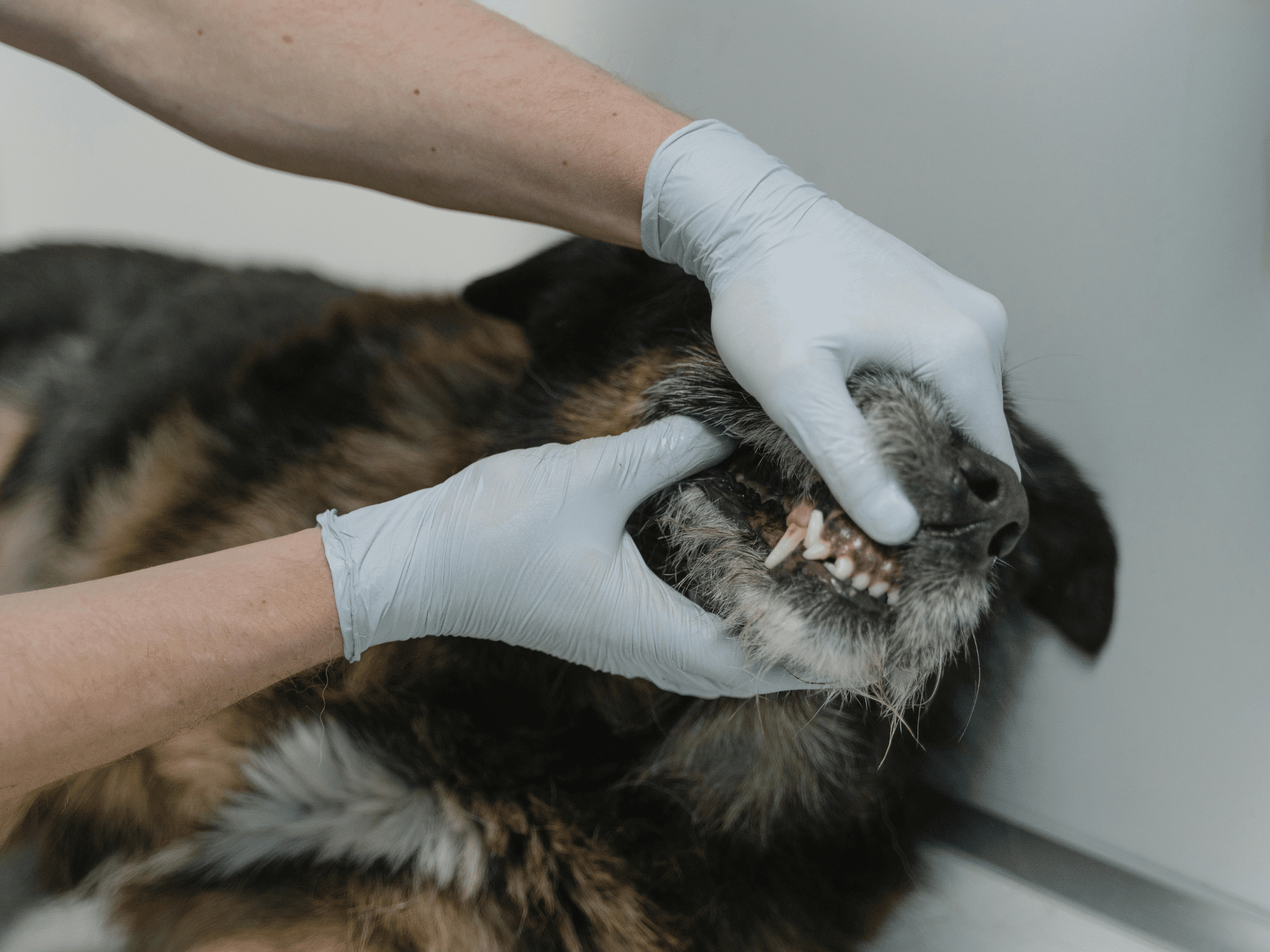
A veterinarian should check signs like bleeding gums, broken teeth, strong odor, or pain during eating.
