
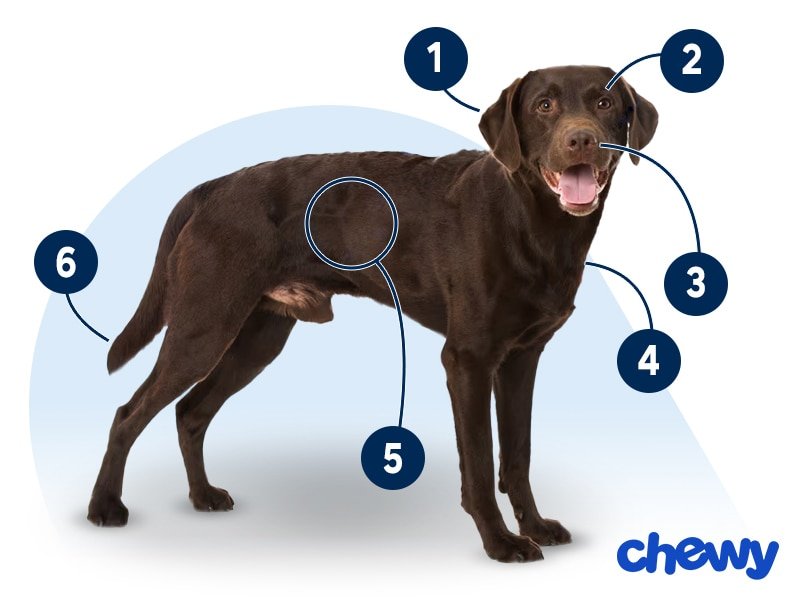
The Labrador Retriever head ears eyes nose and tail show why this breed became one of America’s most loved dogs. These features are not only about appearance. They support hunting, swimming, communication, and daily life with families.
When studying the Labrador Retriever head ears eyes nose and tail, function comes first. A healthy Labrador has balanced features that match its history as a working retriever and its modern role as a loyal companion.

Labrador Retriever head structure and breed shape
The Labrador Retriever head is one of the breed’s most recognizable traits. It is broad, clean, and powerful without looking heavy. The skull is wide, and the muzzle has enough length to carry birds safely.
A correct Labrador Retriever head ears eyes nose and tail balance creates the classic friendly expression people expect from this breed. The head should look strong but gentle.

- ✦ Broad skull
The Labrador has a wide skull that supports strong jaw muscles and a confident appearance.
- ✦ Strong muzzle
The muzzle is built for carrying game, toys, and other objects without damaging them.
Why the Labrador head matters
The head shape reflects the Labrador’s working background. Retrievers needed a mouth that could hold birds gently while swimming through cold water.
For family owners, this structure also explains why Labradors often have a soft expression and patient personality.
Labrador Retriever ears and their purpose
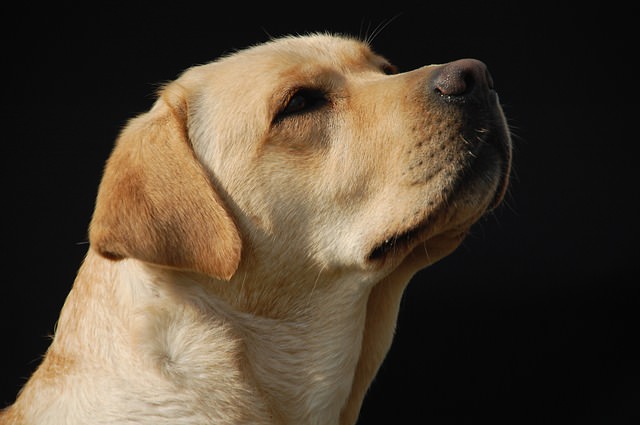
Labrador Retriever ears are medium-sized, floppy, and set slightly above the eye line. They hang close to the head and help protect the ear canal during outdoor activities.
The ears are an important part of the Labrador Retriever head ears eyes nose and tail because they affect both appearance and health. Their shape can reduce airflow, so regular cleaning is helpful.
- ✦ Ear position
Healthy Labrador ears sit close to the cheeks and should not appear overly large or heavy.
- ✦ Ear care
Owners should check for redness, odor, moisture, or frequent scratching.
Labrador Retriever eyes and facial expression
The eyes of a Labrador Retriever are one of its most charming features. They are usually brown or hazel and show alertness, kindness, and intelligence.
The Labrador Retriever head ears eyes nose and tail work together to create the breed’s famous friendly look. Clear eyes with a relaxed expression often reflect good health.

- ✦ Eye color
Black and yellow Labradors often have brown eyes, while chocolate Labradors may have lighter shades.
- ✦ Eye care
Owners should watch for unusual discharge, cloudiness, or sudden changes.
Labrador Retriever nose and scent ability
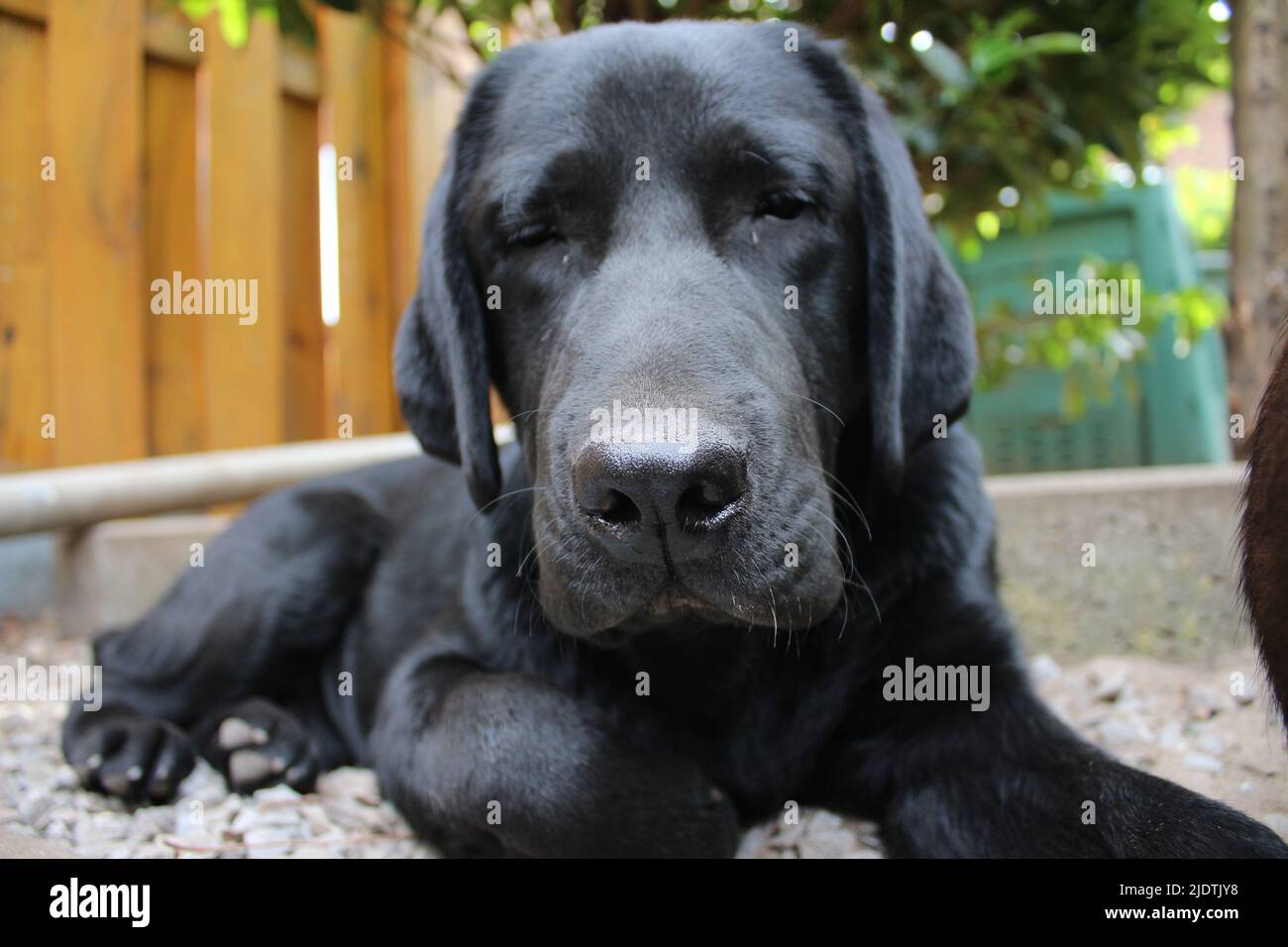
The Labrador Retriever nose is designed for scent work. This powerful sense helped the breed become a skilled hunting and detection dog.
The nose is a key part of the Labrador Retriever head ears eyes nose and tail because it connects the dog with its environment. Labradors use scent to explore, track, and learn.
- ✦ Nose color
Nose color can vary by coat color and genetics, including black, brown, or lighter shades.
- ✦ Healthy nose signs
A healthy nose should not have unexplained sores, swelling, or unusual discharge.
Why Labradors have strong noses
Retrievers were developed to find and return objects. Their nose helped them locate birds and follow scent trails over land and water.
Labrador Retriever tail and movement
The Labrador Retriever tail is often called an otter tail because it is thick at the base and gradually becomes thinner toward the tip. It is covered with short, dense hair.
The tail is an important part of the Labrador Retriever head ears eyes nose and tail because it supports swimming and communication. Labradors use their tails to show excitement, focus, and emotion.

- ✦ Swimming support
The strong tail works like a rudder and helps the dog move through water.
- ✦ Communication
Tail movement can show happiness, curiosity, or alertness.
How to care for Labrador Retriever head ears eyes nose and tail features
Good care helps maintain every part of the Labrador Retriever head ears eyes nose and tail. Simple checks during grooming can help owners notice problems early.
American Labrador owners often combine weekly grooming with regular veterinary visits. This routine supports comfort and long-term health.
- ✦ Weekly checks
Inspect ears, eyes, nose, skin, and tail during normal grooming.
- ✦ Healthy habits
Use proper cleaning products and avoid harsh treatments without veterinary advice.
