
The Labrador Retriever coat type colors and texture are key parts of this breed’s identity. A Labrador’s coat is not just about appearance. It helps protect the dog during swimming, outdoor play, and changing weather in the United States.
Many owners first notice the smooth feel of a Labrador coat, but the deeper story comes from genetics. The Labrador Retriever coat type colors and texture come from inherited traits that control pigment, fur density, and coat quality. Understanding these traits helps owners choose better grooming routines.
Understanding the Labrador Retriever double coat structure
The Labrador Retriever has a double coat made of two layers. The outer layer contains short, straight guard hairs that protect the skin. The inner layer contains a soft undercoat that keeps the dog warm.
This coat design helped Labradors work as retrieving dogs near cold water. Today, the same Labrador Retriever coat type colors and texture support active family pets that enjoy hiking, swimming, and outdoor activities.
- ✦ Outer coat
The outer coat is short, firm, and slightly rough. It blocks dirt, moisture, and outdoor debris.
- ✦ Undercoat
The thick undercoat provides insulation and causes seasonal shedding during coat changes.
Why Labrador coats feel different from other breeds
A Labrador coat often feels dense and slightly oily compared with many short-haired breeds. Natural oils help repel water and keep the coat healthy.
This texture is one reason Labradors dry faster after swimming than many other dogs.
Labrador Retriever coat colors and their genetic background
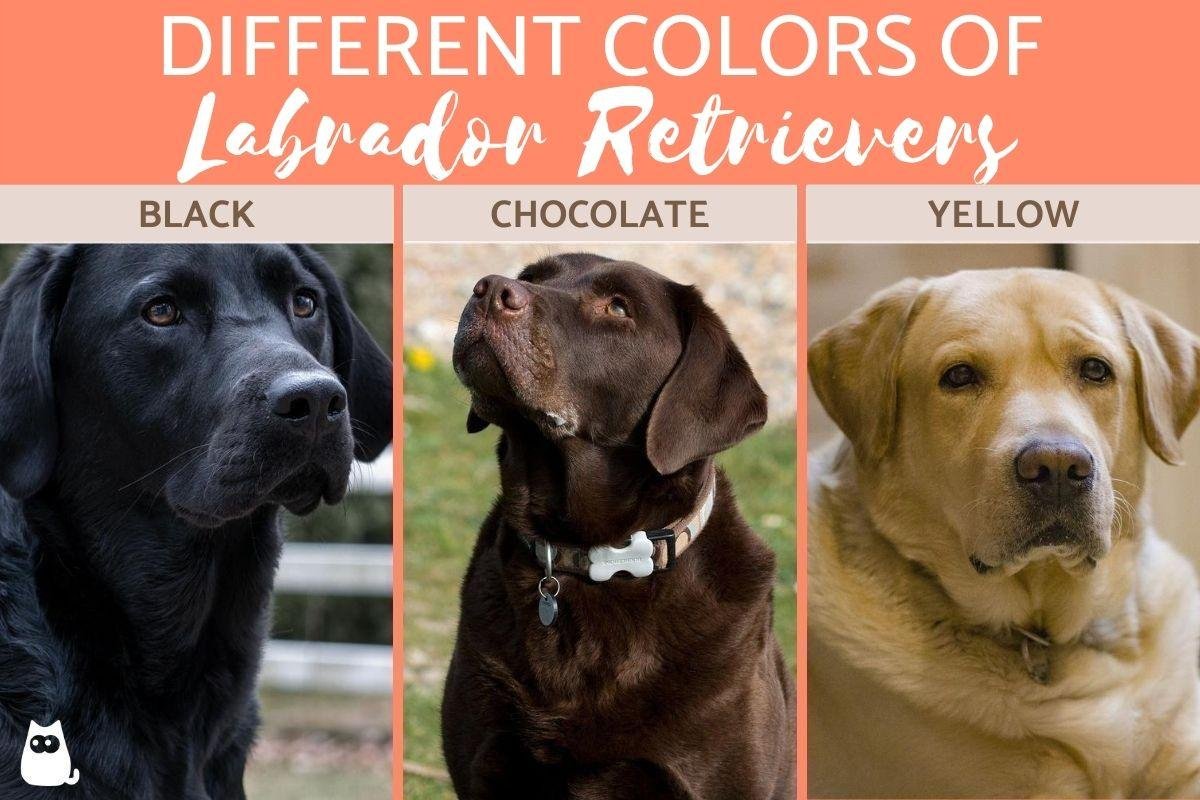
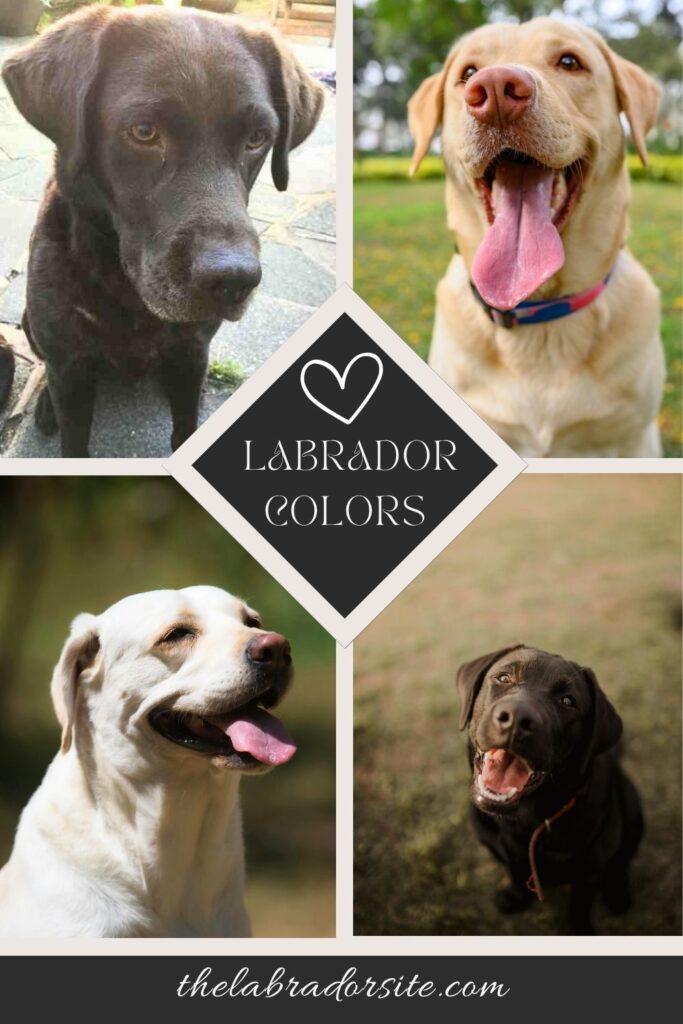
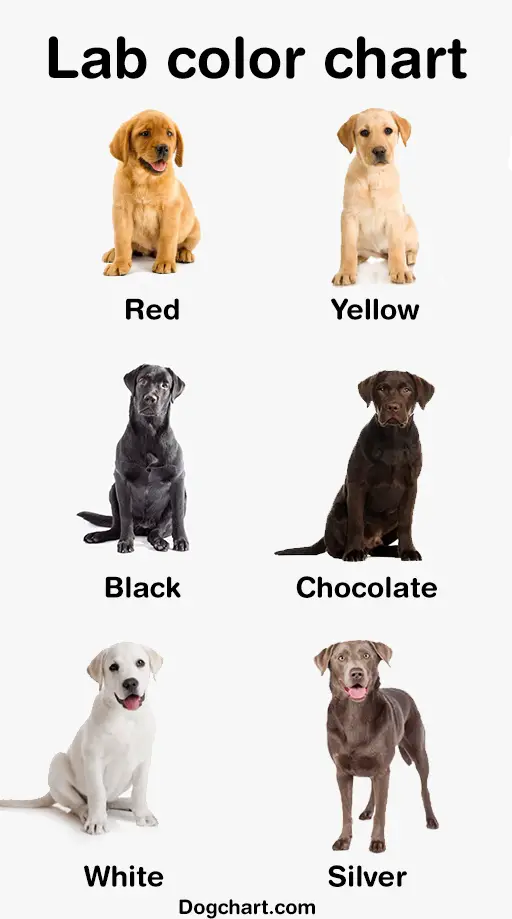
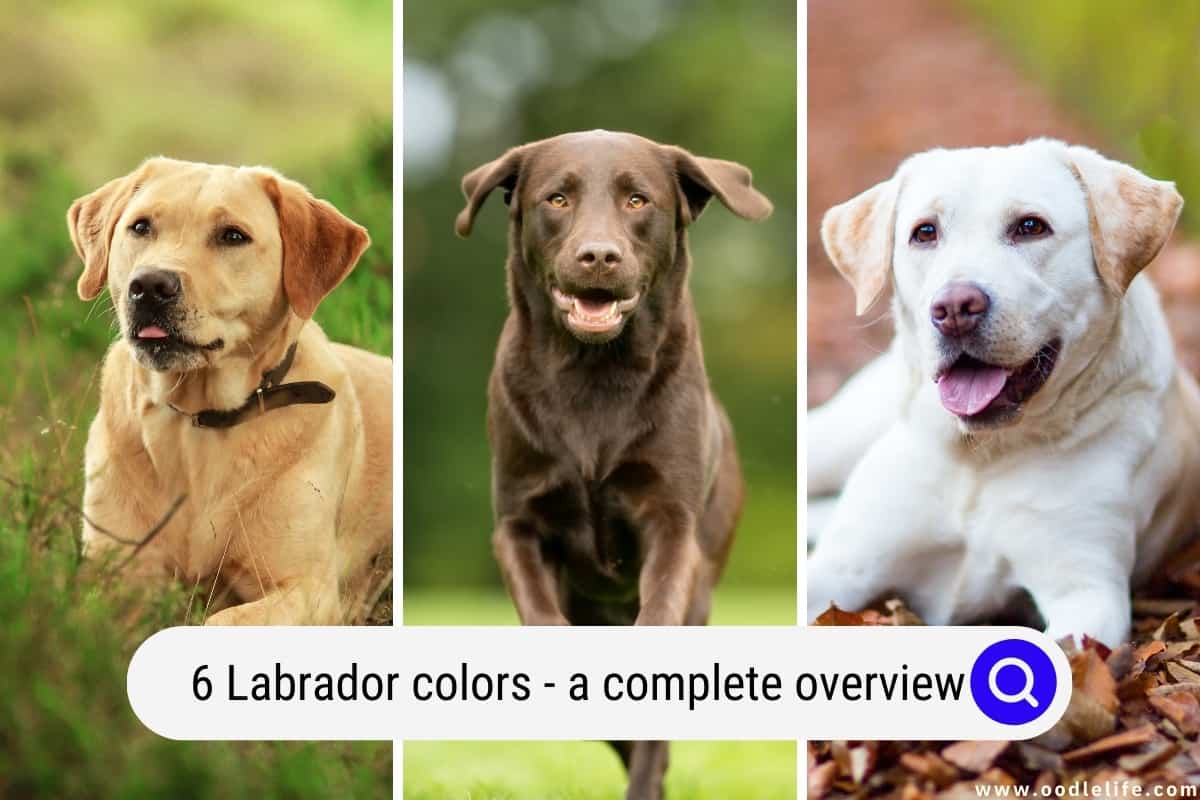
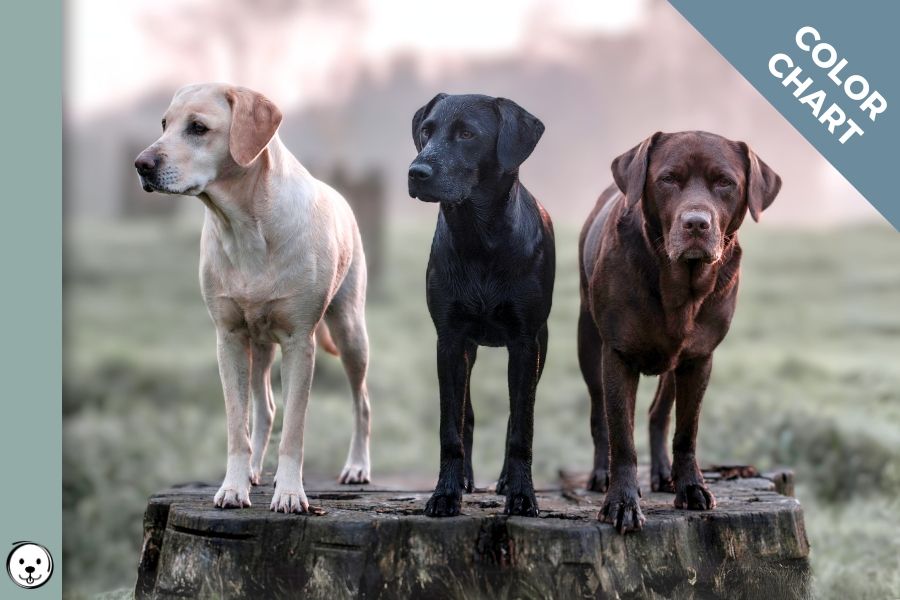
The Labrador Retriever coat type colors and texture are controlled by genetics. The main accepted colors are black, yellow, and chocolate. Each color comes from different combinations of pigment genes.
Breeders use genetic knowledge to understand possible coat colors in puppies. Coat color does not decide personality or intelligence, because those traits depend on many factors.
- ✦ Black Labrador
Black Labradors have a deep black coat created by dominant pigment genes. Some may show small white markings on the chest.
- ✦ Yellow Labrador
Yellow Labradors range from pale cream to fox red shades. Their color changes because of different levels of pigment expression.
- ✦ Chocolate Labrador
Chocolate Labradors have brown coats that can range from light milk chocolate to darker shades.
Rare Labrador coat colors and misconceptions
Some Labradors have silver, charcoal, or champagne-colored coats due to specific genetic combinations. These colors are discussed among breeders and owners, but they are not part of the traditional standard colors.
Coat color alone does not prove that a Labrador is healthier or more valuable. Responsible breeding focuses on health, structure, and temperament.
How Labrador Retriever coat texture changes with age and health
The Labrador Retriever coat type colors and texture can change slightly throughout life. Puppies often have softer coats that become thicker as they mature.
A healthy Labrador usually has a smooth, shiny coat. Nutrition, grooming, allergies, and general health can affect coat appearance.
- ✦ Puppy coat
Young Labradors often have softer fur before developing their adult double coat.
- ✦ Adult coat
Adult Labradors develop a stronger outer coat and thicker undercoat.
- ✦ Senior coat
Older dogs may develop lighter hairs or changes in coat softness.
Signs of a healthy Labrador coat
A healthy coat feels smooth and has natural shine. Regular brushing helps remove loose fur and spreads natural oils.
Dry skin, sudden hair loss, or major texture changes may need a veterinarian’s advice.
Labrador shedding patterns and grooming needs
The Labrador Retriever coat type colors and texture come with regular shedding. Labradors shed throughout the year and often shed more during seasonal changes.
Many US families find that weekly brushing helps control loose hair on furniture, floors, and clothing.
- ✦ Brushing routine
A quality dog brush can remove loose undercoat and keep the coat clean.
- ✦ Bathing schedule
Most Labradors need occasional baths unless they become dirty from outdoor activities.
- ✦ Coat protection
Avoid excessive bathing because it may remove natural oils from the skin.
Common coat care mistakes
Some owners shave Labradors during hot weather, but this can affect the natural protection of their double coat. Regular brushing is usually a better option.
Using harsh products may also damage coat quality. Gentle dog-specific grooming products are safer.
Comparing Labrador coat colors in everyday life
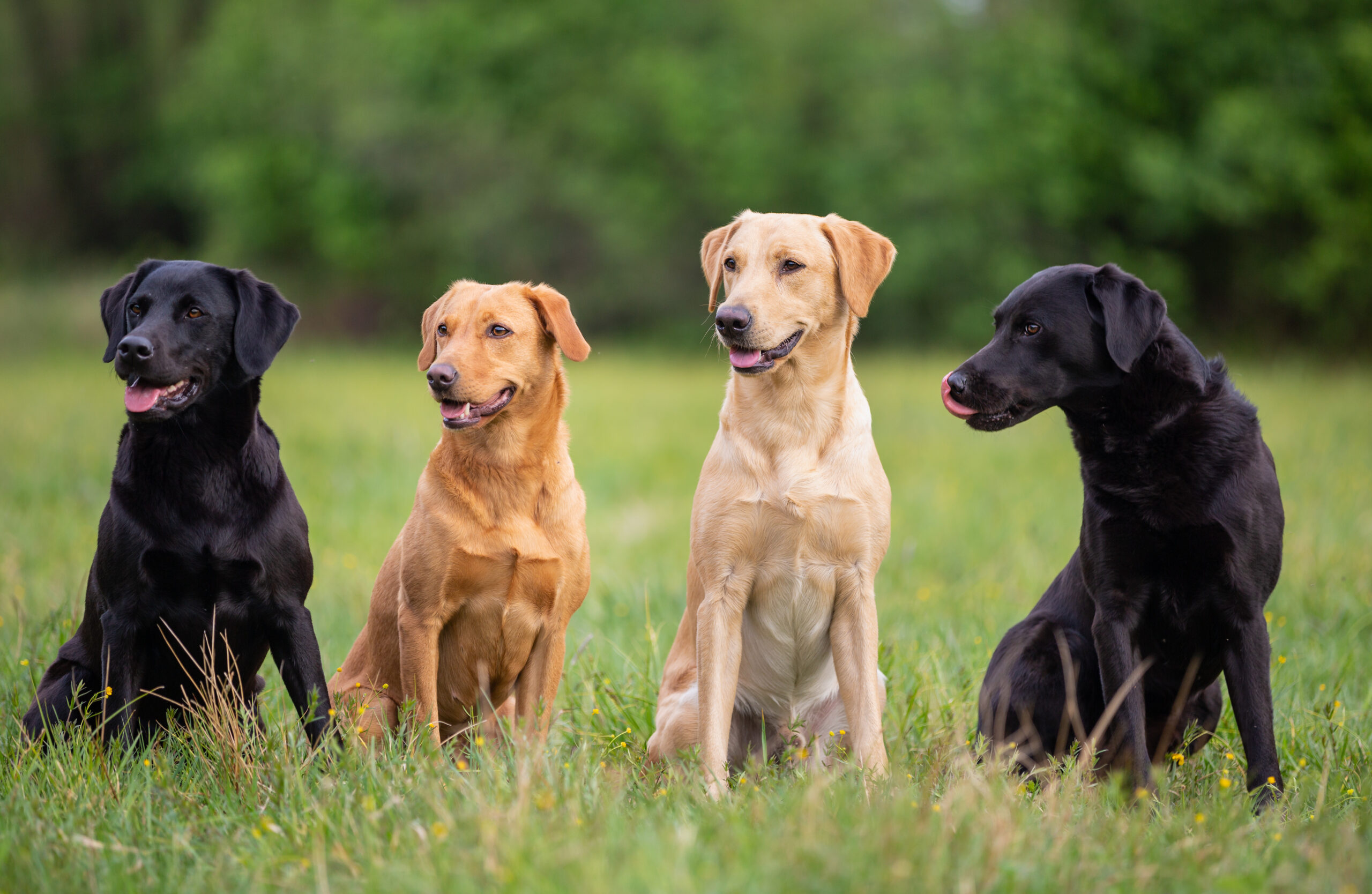
The Labrador Retriever coat type colors and texture look different under sunlight, indoor lighting, and seasonal coat changes. Black coats may show shine clearly, while yellow coats show a wide range of warm shades.
Chocolate Labradors often need regular grooming because loose hair may be easier to notice on some surfaces. However, all Labrador colors need similar care.
- ✦ Color and maintenance
All standard Labrador colors have similar grooming requirements because coat structure matters more than color.
- ✦ Color and lifestyle
Active Labradors of every color can enjoy swimming, hiking, and family activities with proper care.
