
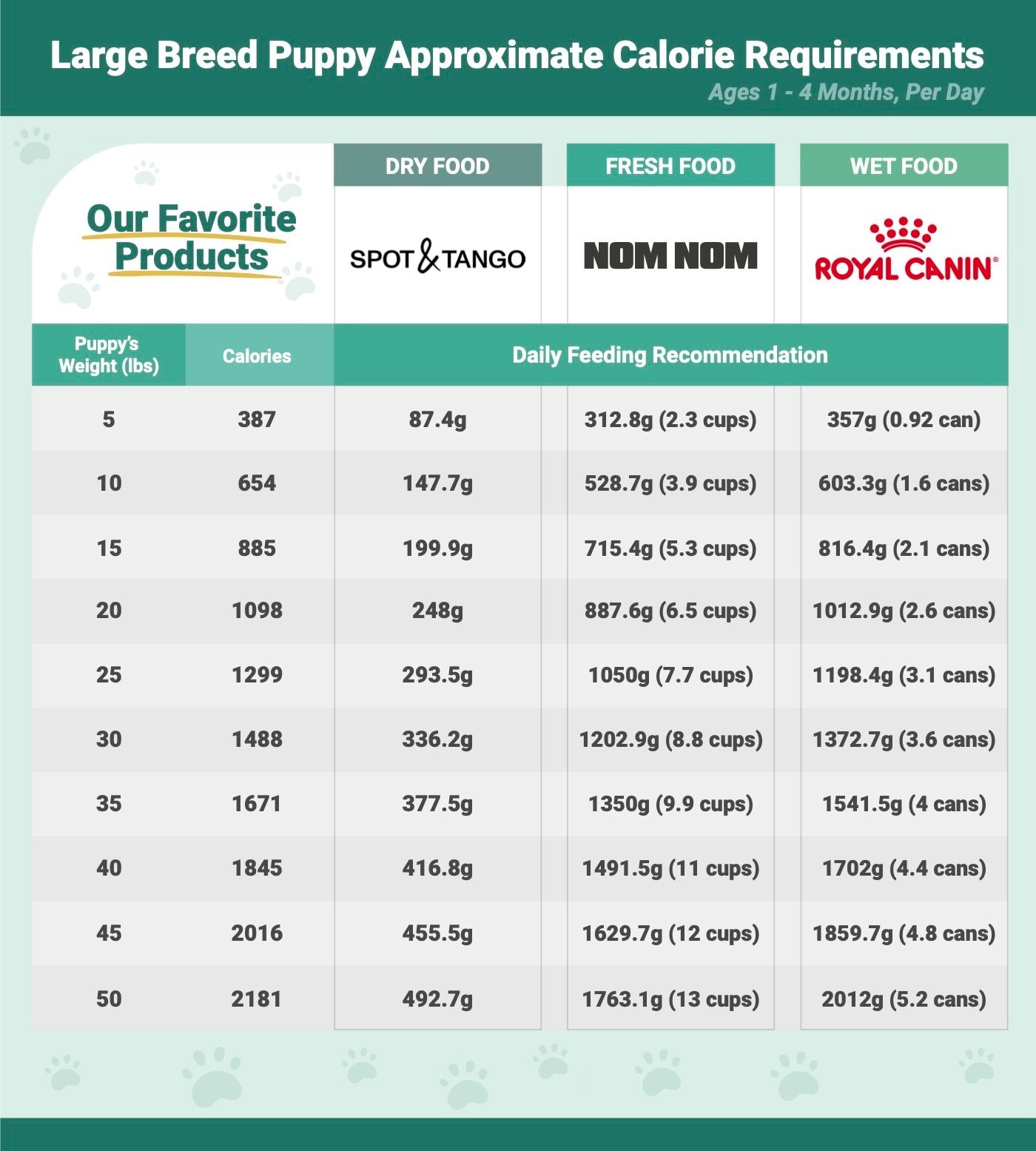
Labrador Retriever calorie needs and meal management are important because Labradors love food and often eat more than they need. In the United States, many family Labradors live indoor lives with moderate exercise, so portion control plays a major role in keeping them healthy.
When helping Labrador owners plan meals, I focus on the dog’s body shape, daily activity, and lifestyle instead of using one fixed feeding amount. A working Labrador, a young puppy, and a calm senior dog may need very different calories each day.

Understanding Labrador Retriever calorie needs and daily energy requirements
Labrador Retriever calorie needs and meal management start with understanding energy use. Calories provide fuel for movement, growth, body repair, and normal organ function.
Most adult Labradors need different calories based on whether they are active, average, or less active. A dog that hikes, swims, or trains often may burn much more energy than a companion dog that takes short walks.
- ✦ Age
Puppies need calories for growth, while adult and senior Labradors usually need controlled portions.
- ✦ Activity level
Exercise, training, and outdoor activities affect how much food a Labrador needs.
- ✦ Body condition
A lean Labrador may need more food, while an overweight Labrador may need fewer calories.
How calorie needs are different across life stages
Young Labradors grow quickly and need nutrient-rich meals. Adult Labradors need enough calories to maintain healthy muscles without gaining excess fat.
Senior Labradors often become less active, so Labrador Retriever calorie needs and meal management should include careful portion changes as metabolism slows.
How to calculate Labrador Retriever calorie needs and meal portions
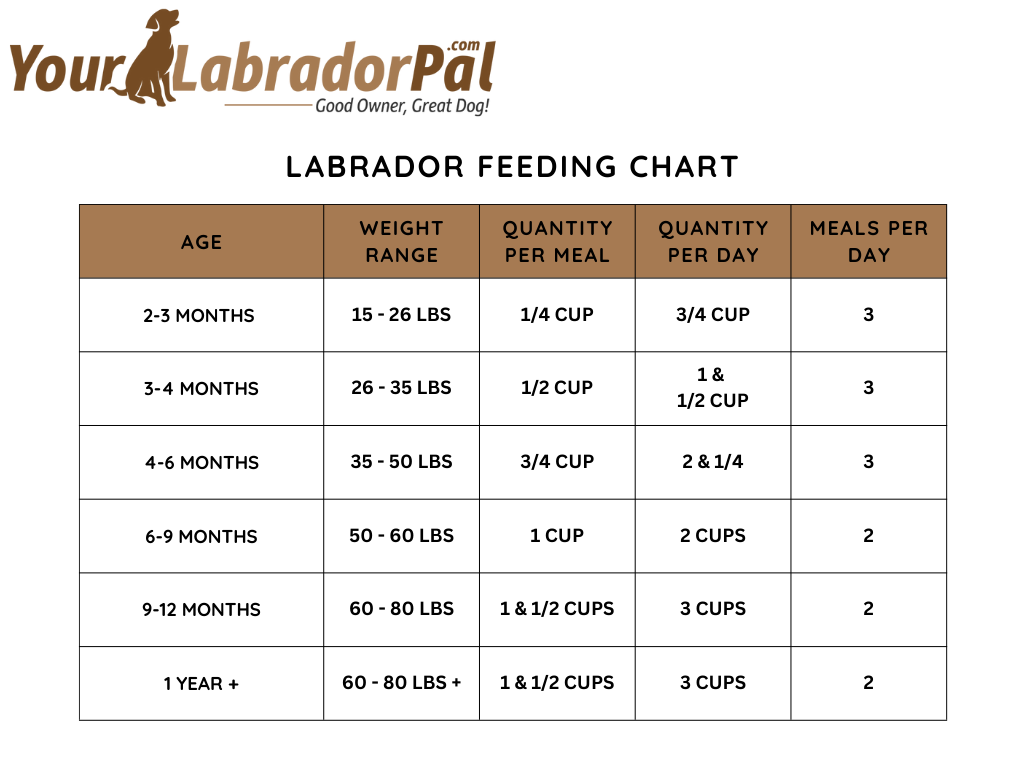
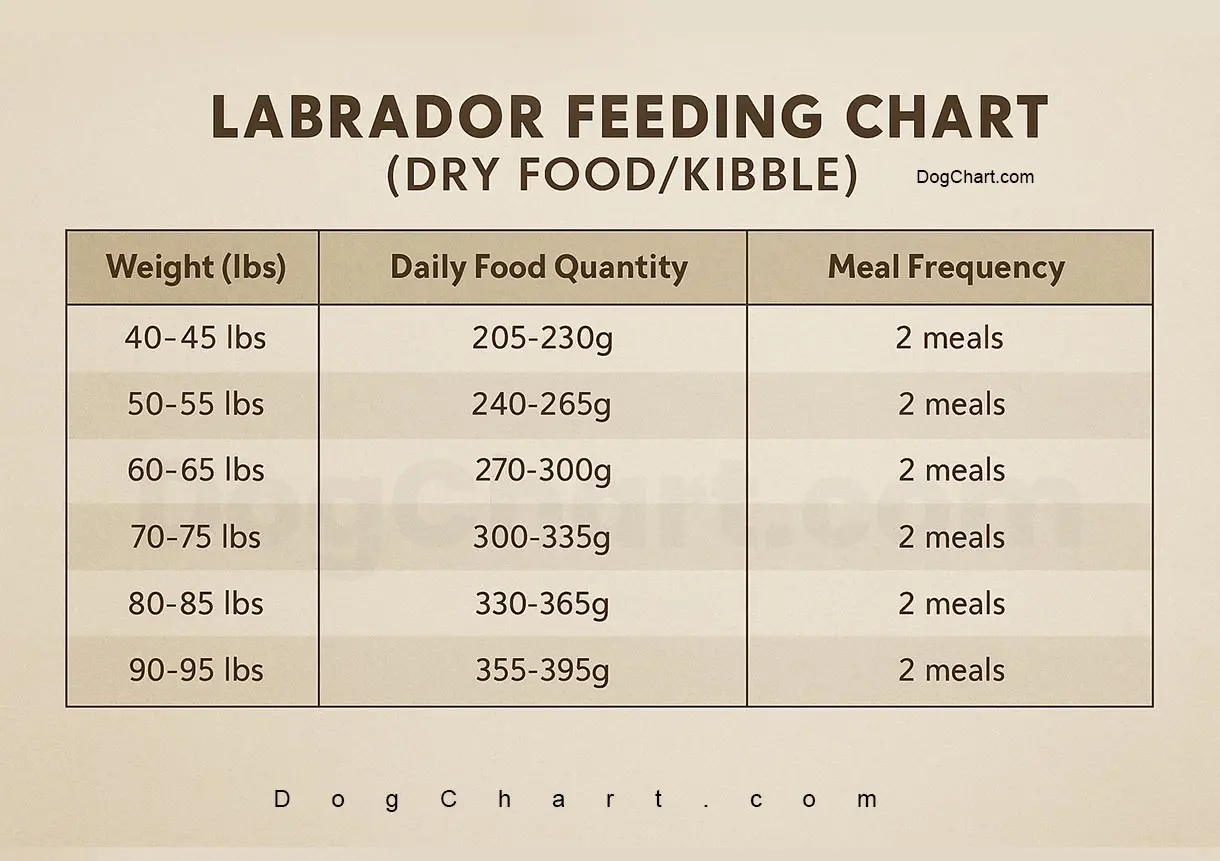
A simple way to manage Labrador Retriever calorie needs and meal management is to start with your dog’s weight and activity level. Feeding labels provide a starting point, but they should not replace watching your dog’s body condition.
A healthy Labrador should have a visible waist when viewed from above and ribs that can be felt without a thick fat layer.
- ✦ Check body shape
Use your dog’s waist and rib feel as practical signs of proper calorie intake.
- ✦ Measure every meal
Use a measuring cup or kitchen scale instead of guessing portions.
Building a healthy Labrador meal schedule
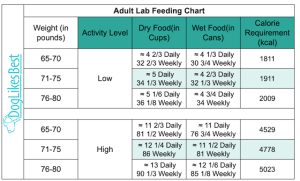
Meal timing is a key part of Labrador Retriever calorie needs and meal management. Most adult Labradors do well with two meals each day instead of free feeding.
Regular meal times help owners track appetite, reduce overeating, and notice changes in eating habits early.
- ✦ Morning meal
A balanced breakfast supports daily energy and activity.
- ✦ Evening meal
A planned dinner helps maintain a stable routine.
- ✦ Training treats
Treat calories should be counted as part of the daily food amount.
Why free feeding can be risky for Labradors
Many Labradors have strong food motivation. Leaving food available all day can make it harder to control calorie intake and weight.
Choosing food quality for Labrador Retriever nutrition
Labrador Retriever calorie needs and meal management are not only about calories. Food quality matters because Labradors need protein, healthy fats, vitamins, minerals, and proper nutrients.
A good diet supports strong muscles, healthy skin, energy, and normal body function. Owners should choose food that fits their dog’s age and health needs.

- ✦ Protein
Protein helps maintain muscle and supports an active lifestyle.
- ✦ Healthy fats
Balanced fats provide energy and support skin and coat health.
- ✦ Fiber
Fiber can help some Labradors feel full while managing weight.
Managing Labrador weight through calorie control
Weight control is one of the biggest parts of Labrador Retriever calorie needs and meal management because Labradors often enjoy eating. Extra weight can place more stress on joints and reduce energy.
Small changes work best. Reducing unnecessary treats, increasing activity, and measuring meals can create healthy progress over time.
- ✦ Reduce extra calories
Limit table scraps and high-calorie treats.
- ✦ Increase movement
Daily walks and play help balance energy intake.
Signs your Labrador may need a meal adjustment
Watch for weight gain, reduced stamina, difficulty feeling ribs, or changes in activity. These signs may mean your dog’s food amount needs review.
