
Labrador Retrievers are known for their love of food. Many Labs will happily eat meals, snacks, and anything they find interesting. This makes good feeding habits very important for their health.
From my experience studying Labrador care routines, the biggest improvements often come from simple changes. Clean water access, measured portions, and better treat choices can help a Labrador stay active and comfortable.
Understanding Labrador Retriever hydration treats and eating habits helps owners create a routine that fits puppies, adults, and senior dogs. A smart approach supports both physical health and a happy relationship with food.

Understanding Labrador Retriever hydration needs
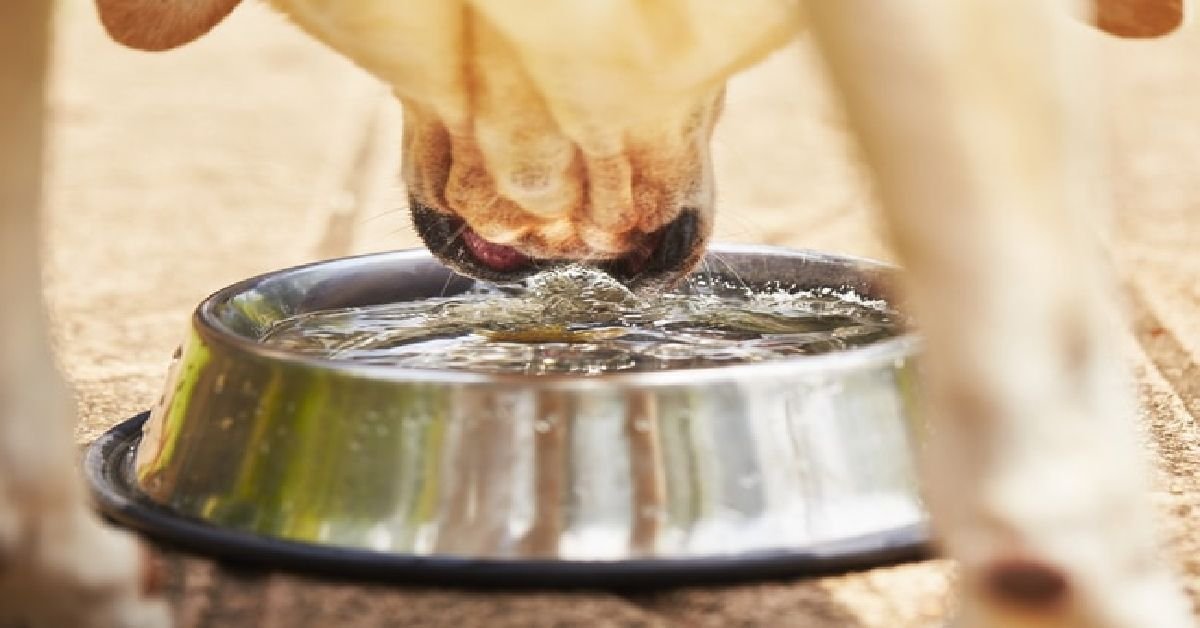
Water is one of the most important parts of Labrador Retriever hydration treats and eating habits. A Labrador uses water to control body temperature, support digestion, and maintain normal activity levels.
Many Labs drink more after exercise, hot weather, swimming, or eating dry food. Owners should keep fresh water available all day instead of waiting until the dog looks thirsty.
- ✦ Fresh water access
Keep clean water in a safe bowl that your Labrador can reach easily at home and during outdoor activities.
- ✦ Activity-based hydration
Active Labradors may need more water after walks, play sessions, or training.
- ✦ Watch drinking changes
Sudden increases or decreases in water intake can be a reason to speak with a veterinarian.
Hydration treats for active Labradors
Hydration treats can be useful during long walks or outdoor adventures. Some owners use moisture-rich treats made with safe ingredients to add variety to a Labrador’s routine.
Treats should support hydration, not replace fresh water. A Labrador still needs regular access to clean drinking water every day.
- ✦ Moisture-rich options
Soft treats and approved fresh foods may contain more moisture than dry biscuits.
How treats influence Labrador eating habits
Labrador Retriever hydration treats and eating habits are closely connected because treats can affect appetite and meal behavior. Labs often learn quickly that good behavior may lead to rewards.
Too many treats can reduce interest in balanced meals and add extra calories. The best approach is to use treats as a small part of a complete diet.

- ✦ Use treats with purpose
Give treats for training, positive behavior, or enrichment instead of offering snacks all day.
- ✦ Choose simple ingredients
Look for treats with clear ingredients and avoid products with unnecessary fillers.
- ✦ Control portions
Measure treats as part of the daily food amount to help maintain healthy weight.
Healthy treat choices for Labrador Retrievers
Healthy Labrador treats can include options made with quality proteins and simple ingredients. Many owners also use small pieces of approved fruits or vegetables as occasional rewards.
Every Labrador is different. A treat that works well for one dog may not suit another, especially if the dog has allergies or digestive issues.
- ✦ Protein-based treats
Small protein treats can support training while adding flavor Labradors enjoy.
Labrador feeding routines and meal management
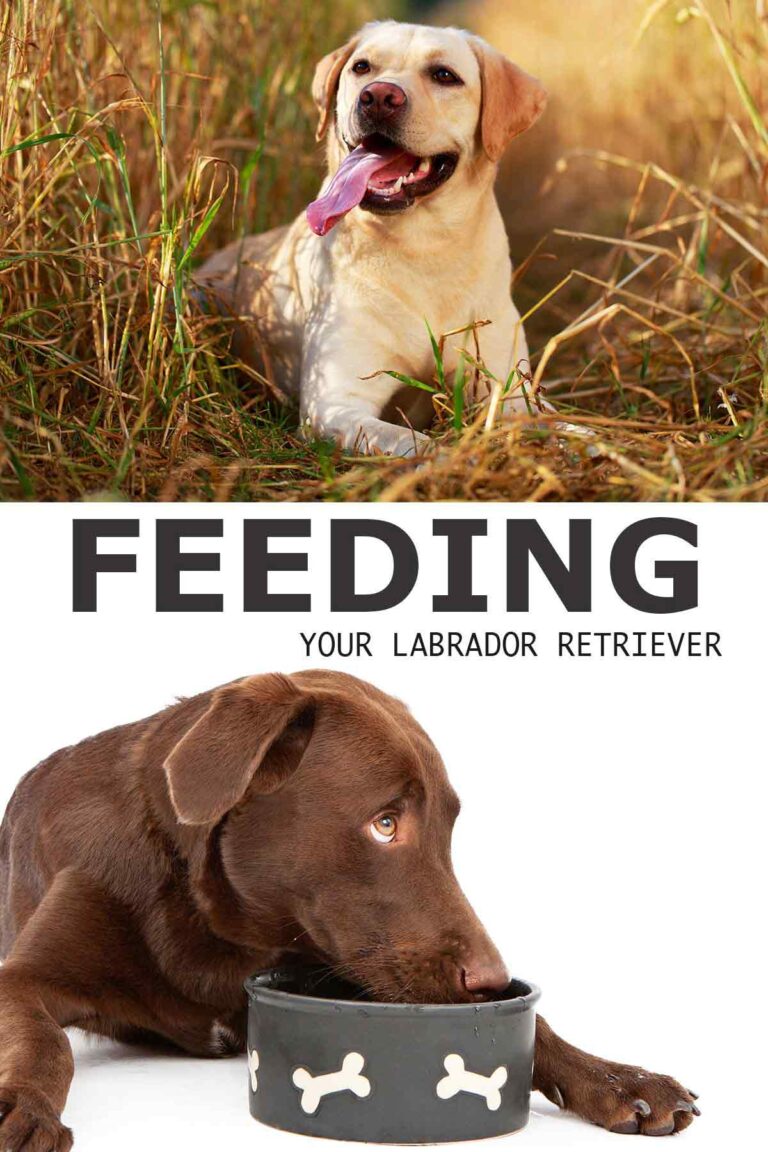
A regular feeding schedule helps Labrador Retrievers understand when meals happen. This can reduce begging and create better eating habits.
Most adult Labradors do well with planned meals instead of free feeding. Measured portions make it easier to manage weight because Labs often enjoy eating beyond their needs.
- ✦ Create meal consistency
Feed your Labrador around the same times each day to build a predictable routine.
- ✦ Measure food portions
Use proper portions based on age, size, activity, and veterinarian advice.
Puppy, adult, and senior eating patterns
Puppies need meals that support growth, while adult Labradors need balanced nutrition for daily activity. Senior Labs may need adjustments based on mobility and changing energy levels.
The best Labrador Retriever hydration treats and eating habits plan changes with age. Owners should review food needs as their dog grows.
- ✦ Puppy feeding
Young Labradors need age-appropriate meals and careful portion control.
- ✦ Senior feeding
Older Labradors may benefit from diets designed for their changing needs.
Common Labrador food behaviors and how to manage them
Labradors are famous for being food motivated. This trait makes them excellent training partners, but it can also create challenges like begging, stealing food, or eating too quickly.
Good habits start with structure. Owners can teach Labradors to wait, eat calmly, and enjoy food without overdoing treats.

- ✦ Fast eating
Slow feeders and puzzle bowls can encourage safer eating habits.
- ✦ Begging behavior
Avoid rewarding begging because it teaches the dog that begging works.
- ✦ Food motivation
Use a Labrador’s love of food as a training advantage with controlled rewards.
Building better eating habits
Small daily routines create strong habits. Simple actions like waiting before meals and rewarding calm behavior can improve a Labrador’s relationship with food.
Labrador Retriever hydration treats and eating habits become easier to manage when owners focus on consistency instead of constant snacks.
- ✦ Positive routines
Reward calm and healthy behaviors instead of encouraging demanding actions.
Hydration and nutrition mistakes Labrador owners should avoid
Many feeding problems happen because owners focus only on food and forget hydration, portion size, and routine. A Labrador’s health depends on the complete picture.
Avoiding common mistakes helps support steady energy and better digestion. Small changes often create lasting improvements.
- ✦ Giving too many treats
Extra snacks can quickly add calories and affect healthy weight.
- ✦ Ignoring water quality
Dirty bowls or old water may reduce interest in drinking.
- ✦ Changing foods suddenly
Slow transitions are usually easier on a Labrador’s digestive system.
Creating a balanced daily routine
A balanced Labrador routine includes meals, water breaks, exercise, rest, and mental stimulation. Food should be part of a healthy lifestyle, not the only source of enjoyment.
Owners who understand Labrador Retriever hydration treats and eating habits can make better choices that match their dog’s needs.
- ✦ Daily balance
Combine nutrition with exercise and enrichment for overall wellness.
