
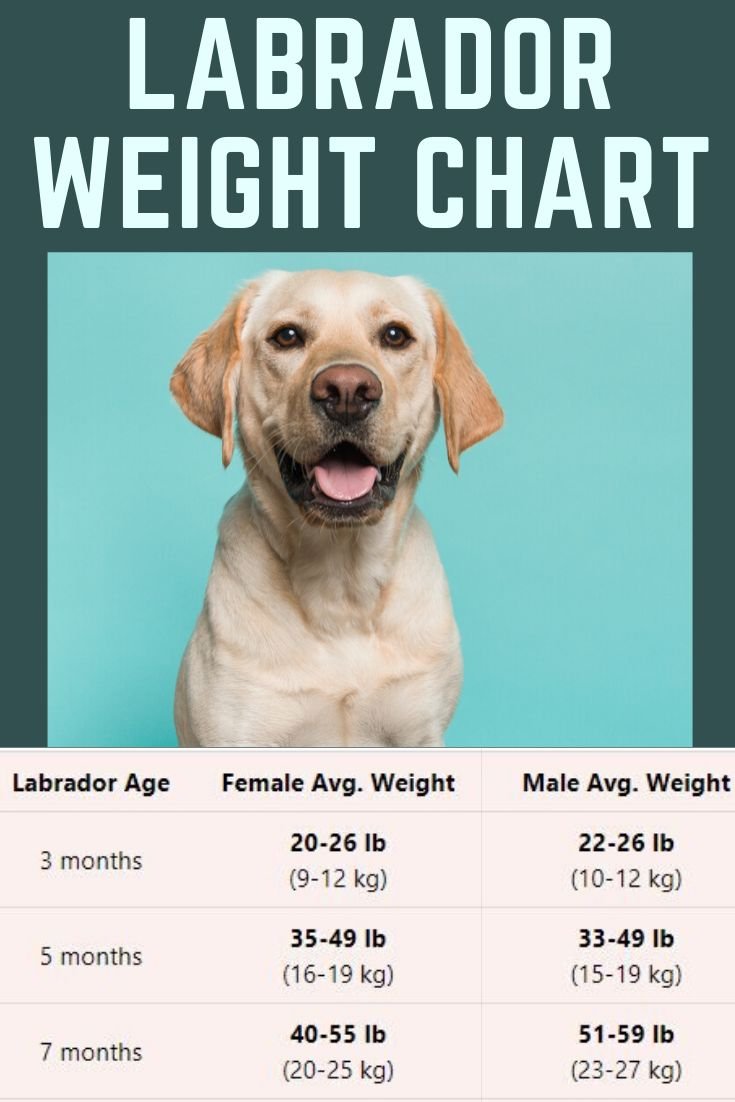
Labrador Retrievers are friendly, active dogs with a strong love for food. In many American homes, this combination can lead to extra weight if meals, treats, and exercise are not carefully balanced. Labrador Retriever weight management and body condition require daily attention, not just occasional weigh-ins.
After working with dog health content and studying common Labrador care patterns, one lesson stands out: a healthy Labrador is not simply a heavy Labrador. The best results come from watching body shape, feeling the ribs, tracking habits, and adjusting routines as the dog changes through life.
This guide explains how to understand ideal Labrador weight, body condition scores, feeding choices, exercise needs, and practical ways to keep your dog healthy at every stage.

Understanding Labrador Retriever weight management and body condition
Labrador Retriever weight management and body condition focus on keeping your dog at a healthy level of body fat and muscle. Two Labradors can have the same weight but look very different because of differences in frame size, age, and muscle mass.
A healthy Labrador should have a visible waist when viewed from above. You should also be able to feel the ribs under a thin layer of fat without pressing hard. These simple checks often give more useful information than weight alone.

- ✦ Weight is only one measurement
A scale shows body weight, but it does not show whether the weight comes from healthy muscle or extra fat.
- ✦ Body shape matters
A Labrador with a tucked waist and easy movement usually has a healthier body condition than a round-bodied dog.
Why Labradors often gain extra weight
Labradors have a natural food motivation that helped their working history as retrieving dogs. Today, this trait can make portion control harder because many Labs will happily eat more than they need.
Common causes of weight gain include large meal portions, frequent treats, reduced activity, aging, and human foods shared from the table.
- ✦ Food motivation
Many Labradors enjoy eating and may ask for extra food even when their calorie needs are already met.
- ✦ Lifestyle changes
Less walking, fewer play sessions, or changes in family schedules can slowly increase body fat.
How to measure a Labrador Retriever body condition score
Body condition scoring is a simple method used by many veterinary professionals to check a dog’s fat level. It helps owners understand Labrador Retriever weight management and body condition without depending only on breed averages.
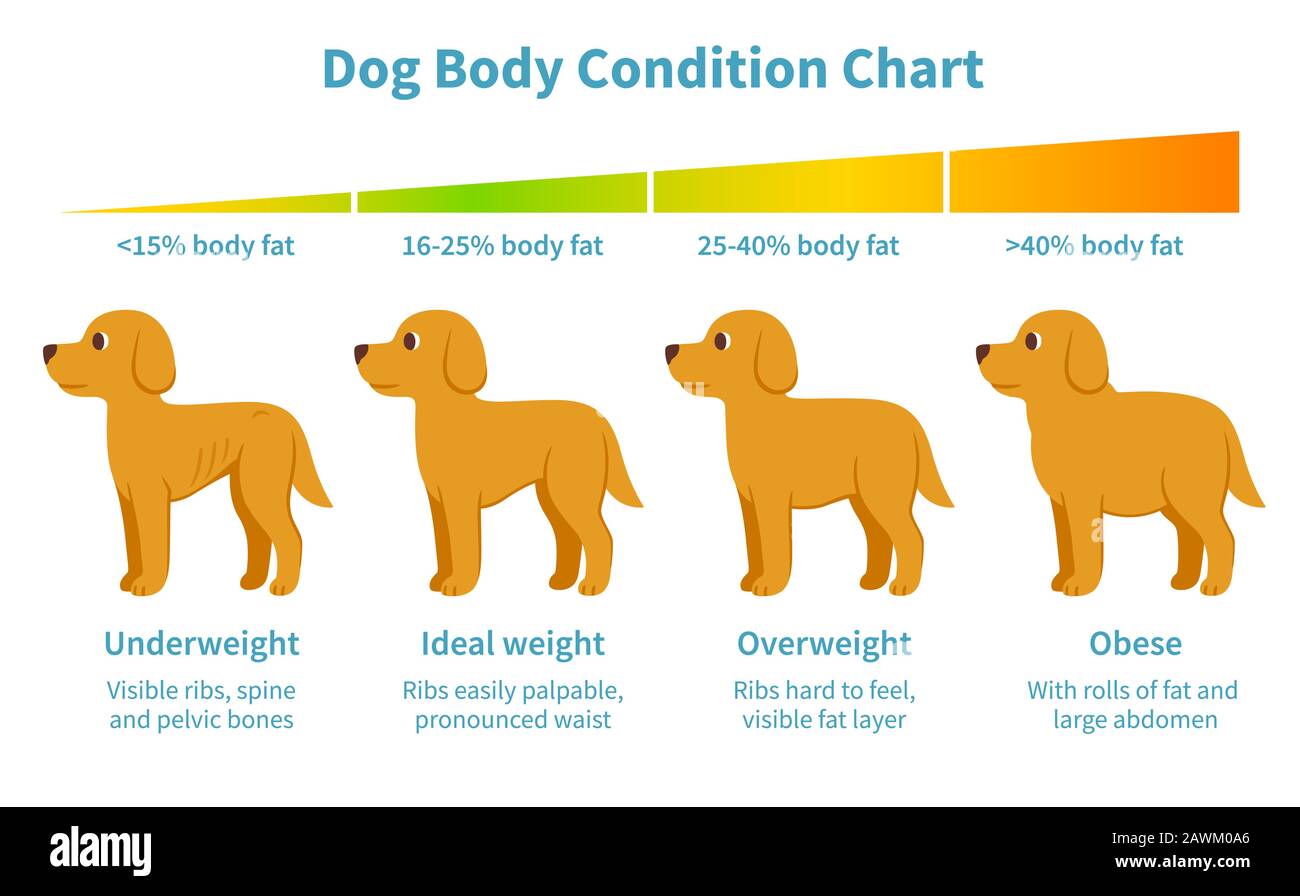
The common body condition scale ranges from very thin to obese. Most healthy dogs should stay near the middle range, where ribs can be felt and the waist is easy to see.
- ✦ Check the ribs
Run your fingers gently over the ribs. They should feel easy to locate but should not be sharply visible.
- ✦ Check the waist
Look from above and confirm that the body becomes narrower behind the ribs.
- ✦ Check the belly
A healthy Labrador usually has an upward belly tuck instead of a hanging abdomen.
Signs your Labrador may be overweight
Extra weight often appears slowly, making it easy for owners to miss. A Labrador may still act happy while carrying unhealthy fat.
Watch for reduced stamina, difficulty climbing stairs, heavy breathing after mild activity, and trouble feeling the ribs.
- ✦ Lower energy
Extra body weight can make walks, play, and normal movement harder.
- ✦ Loss of waist shape
A round body profile may indicate that your Labrador needs a nutrition and activity review.
Ideal Labrador Retriever weight by age and life stage
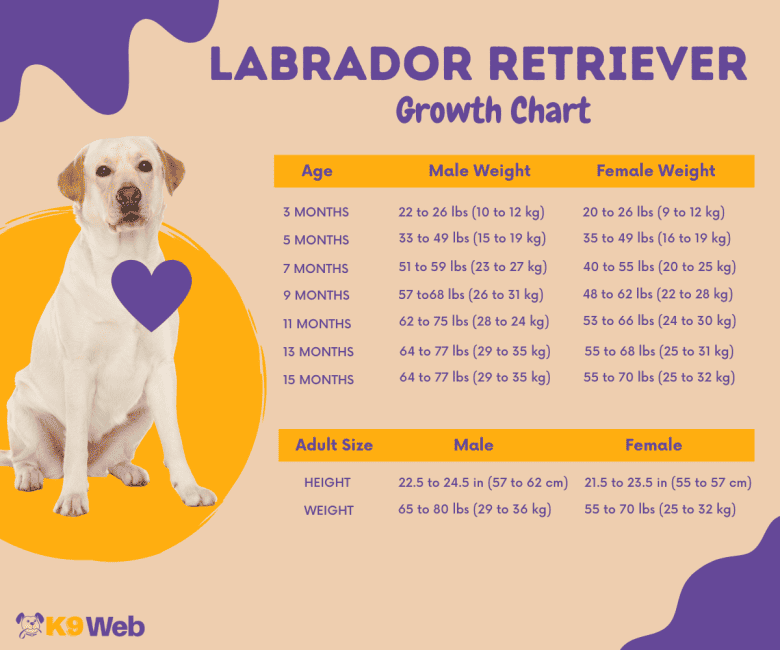
A Labrador’s ideal weight changes throughout life. Puppies grow quickly, adults need stable maintenance, and senior dogs often require adjustments because metabolism and activity levels change.
Instead of chasing one perfect number, focus on healthy growth, proper muscle development, and a balanced body condition.
- ✦ Puppy stage
Young Labradors need controlled growth with quality food and proper portions to support bones and joints.
- ✦ Adult stage
Adult Labradors need enough calories for activity without creating unnecessary fat gain.
- ✦ Senior stage
Older Labradors may need fewer calories and more attention to joint health.
Why age changes weight needs
A young Labrador may burn energy through growth and play, while an older dog may become less active. Feeding the same amount throughout life can slowly create weight problems.
Regular reviews of food portions help maintain Labrador Retriever weight management and body condition as your dog’s needs change.
- ✦ Growth monitoring
Track puppy growth trends instead of forcing rapid weight gain.
Nutrition strategies for healthy Labrador weight control
Food quality and portion control are central parts of Labrador Retriever weight management and body condition. Even high-quality food can cause weight gain when portions are too large.
Many owners focus only on the main meal but forget that treats, chews, and table scraps also add calories during the day.

- ✦ Measure meals
Use a measuring cup or kitchen scale instead of guessing portions.
- ✦ Choose smart treats
Use smaller treats or healthy options during training sessions.
- ✦ Avoid constant free feeding
Scheduled meals make calorie control easier for food-loving Labradors.
Creating a balanced feeding routine
A consistent feeding schedule helps owners notice changes in appetite and weight. It also creates a predictable routine for the dog.
If your Labrador gains weight, small portion changes combined with activity improvements are often more sustainable than sudden restrictions.
- ✦ Track changes
Write down food amounts, treats, and weight changes to find patterns.
Exercise and activity for maintaining Labrador body condition
Exercise supports healthy weight, strong muscles, and mental health. Labrador Retriever weight management and body condition improve when food control works together with regular movement.
Daily walks, swimming, fetch games, and training activities can help Labradors burn energy while building a stronger bond with their owners.
- ✦ Daily walks
Regular walks help maintain fitness and provide mental stimulation.
- ✦ Interactive play
Games like fetch encourage movement and use the Labrador’s natural retrieving instincts.
- ✦ Mental exercise
Puzzle toys and training sessions can reduce boredom-related eating.
Avoiding exercise mistakes
Overweight Labradors should increase activity slowly. Sudden intense exercise can stress joints, especially in dogs that have been inactive.
A steady routine creates better long-term results than occasional intense workouts.
- ✦ Start gradually
Increase walking time step by step as fitness improves.
Health risks linked to poor Labrador weight management
Maintaining proper Labrador Retriever weight management and body condition is important because extra weight can affect comfort and movement. Healthy weight supports better daily activity and overall wellness.
Weight problems may also make existing health concerns harder to manage. Regular checks allow owners to make changes early.
- ✦ Joint stress
Extra weight increases physical pressure on a dog’s joints during movement.
- ✦ Reduced quality of life
Overweight dogs may enjoy fewer activities because movement becomes harder.
- ✦ Lower mobility
Maintaining a healthy body helps Labradors stay active as they age.
Building a long-term weight plan
The best weight plan is simple enough to follow every day. Owners should combine food awareness, activity, and regular body checks.
Small improvements repeated over months usually create stronger results than short-term changes.
- ✦ Monthly checks
Review your Labrador’s body shape and habits regularly.
