
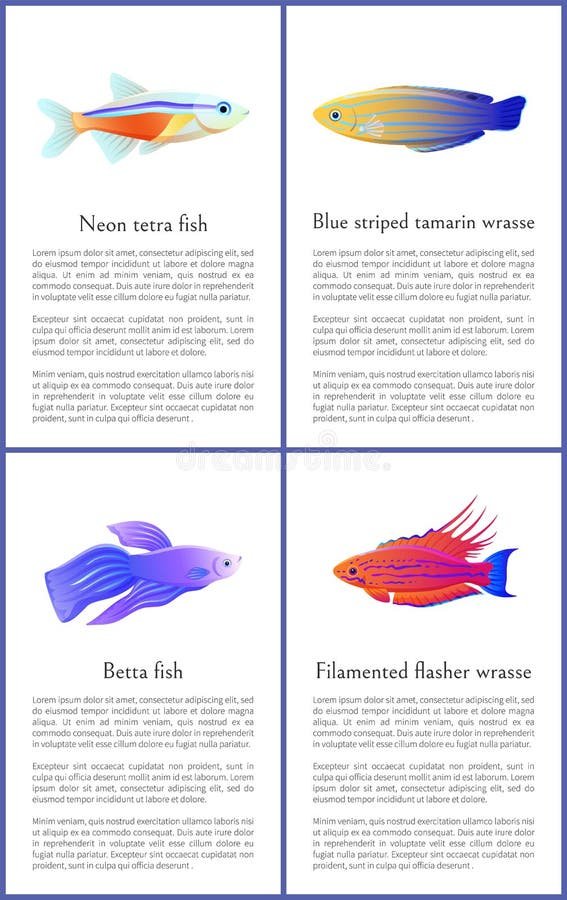
Betta vs tetra fish: Bettas are solitary and ornate, while tetras are small, peaceful schoolers.
I have kept both betta and tetra fish for years, and I write this guide from hands-on experience and study. This article compares betta vs tetra fish in clear, practical terms. You will learn tank needs, care costs, behavior, health risks, and how to pick the right fish for your home. Read on for expert tips, real mistakes I made, and a simple plan to start or upgrade your aquarium.

Overview: betta vs tetra fish
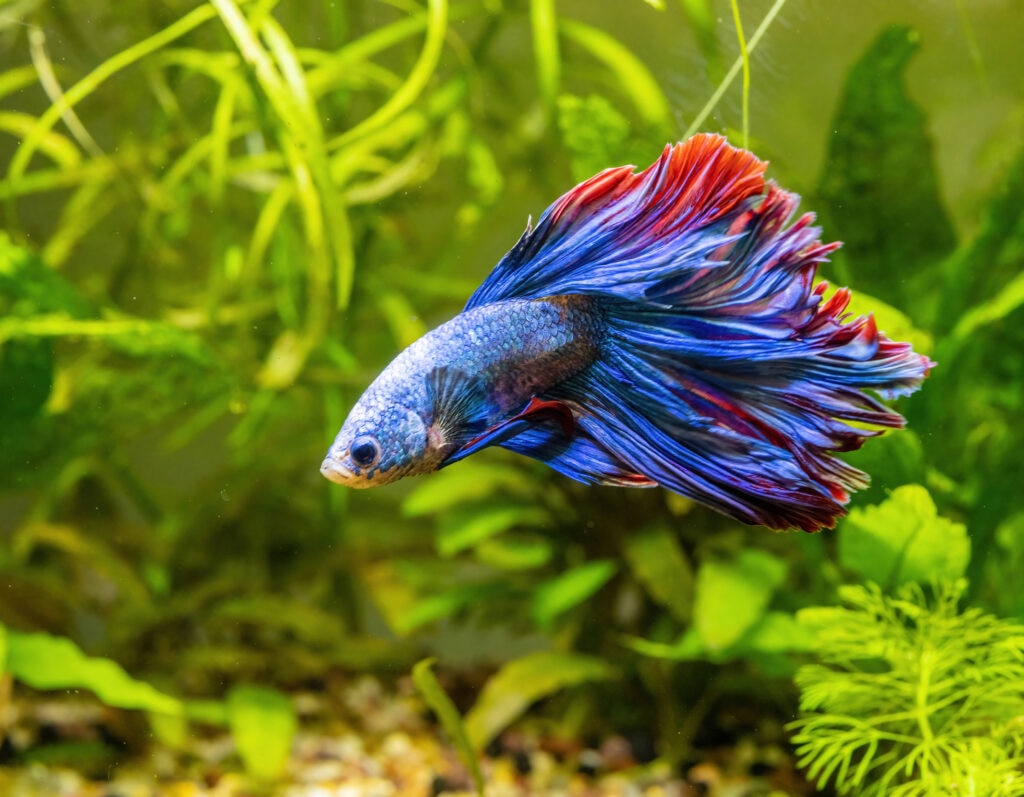
Betta vs tetra fish both make great pets. They give different joys. Bettas show bright fins and strong colors. Tetras shine with calm motion and group behavior. Bettas prefer solitude. Tetras need a school of their own kind.
Key quick facts:
- Betta size: 2.5 to 3 inches on average.
- Tetra size: 0.5 to 2.5 inches depending on species.
- Lifespan: Bettas 2–5 years; tetras 3–8 years for many species.
- Social needs: Betta solitary; tetra schooling and social.
I use these basics to match fish to people and space. My first betta lived in a tiny bowl and got sick. I learned that proper tank size and water care matter more than looks.

Tank size, water, and habitat needs
Tank size matters for both. Bettas live in tanks of 5 gallons or more. Tetras do best in 10 gallons or larger, with more space for schools.
Water and filtration:
- Bettas prefer warm water. Aim for 76–82°F (24–28°C).
- Many tetras prefer slightly cooler water. Aim for 72–79°F (22–26°C).
- Both need stable pH near neutral. Most do well with pH 6.5–7.5.
- A gentle filter is ideal for bettas. Tetras appreciate steady flow and oxygenation.
Decor and hiding spots:
- Bettas like plants and caves to rest near the surface.
- Tetras like open mid-water for schooling and plants for shelter.
- Use live or silk plants to avoid torn betta fins.
I set up a 10-gallon tank with a heater and sponge filter for a mixed community trial. Bettas and tetras can coexist only if the betta is calm and tank setup is large enough.

Behavior, temperament, and compatibility
Betta vs tetra fish differ strongly in behavior. Bettas can be aggressive. Males fight other males. They may flare at colorful or long-tailed tankmates. Tetras are peaceful and show schooling instinct.
Compatibility tips:
- Avoid housing male bettas with brightly colored, long-finned fish.
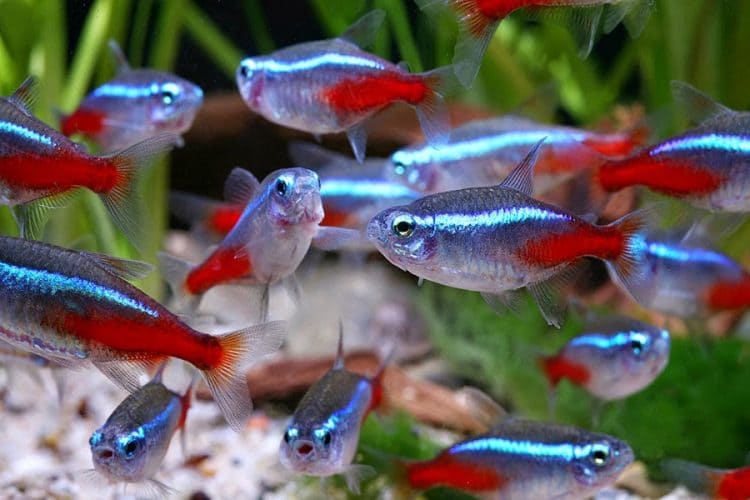
- Choose peaceful tetra species like neon, cardinal, or ember tetras.
- Keep tetras in groups of at least 6 to reduce stress and show natural behavior.
- Watch for fin-nipping species (some tetras may nip long fins).
Practical example:
- A shy male betta may tolerate small tetras in a well-planted 20-gallon tank.
- An aggressive betta will likely harass tetras and should be housed alone.
From my experience, patience and observation win. Introduce new fish slowly and have a backup tank ready.
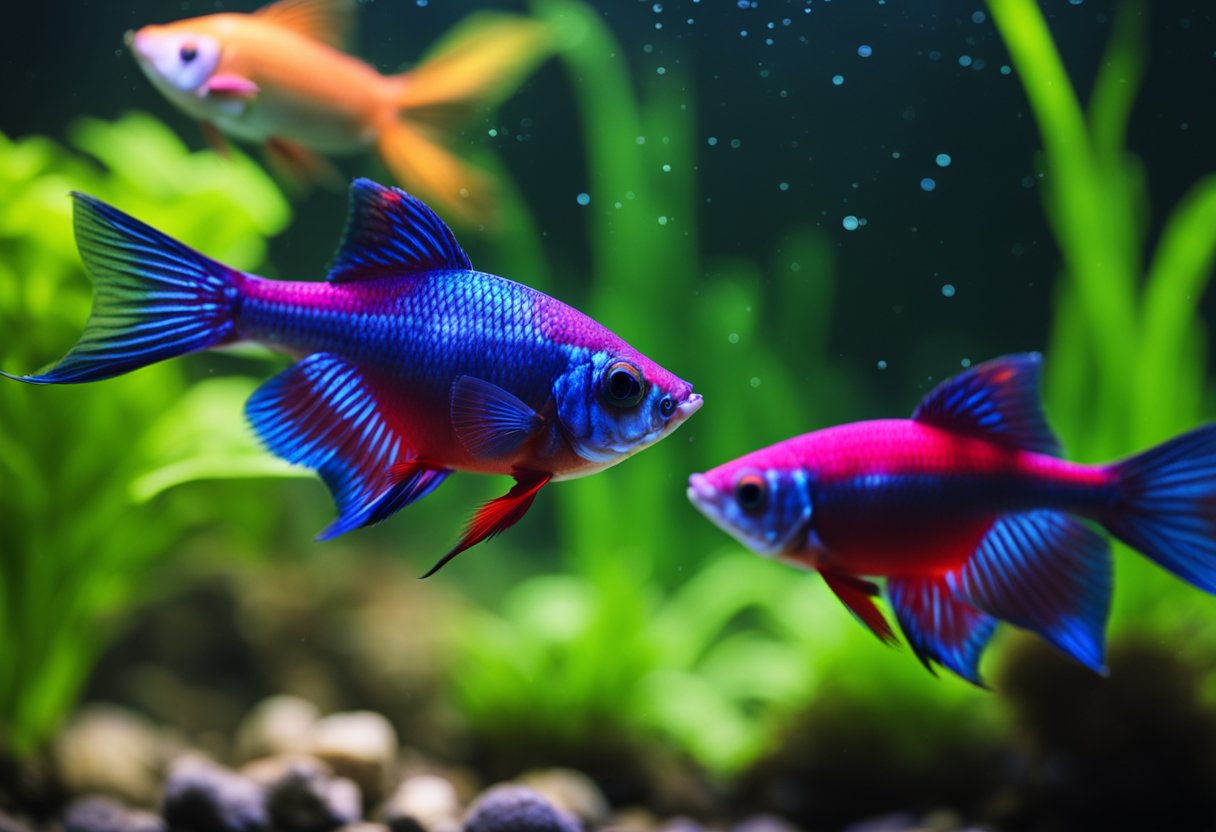
Feeding, nutrition, and lifespan
Feeding needs differ but overlap. Bettas are carnivores. They eat protein-rich foods like pellets designed for bettas, frozen brine shrimp, and bloodworms. Tetras are omnivores. They eat flakes, micro-pellets, and small frozen foods.
Feeding routine:
- Feed small amounts once or twice daily.
- Avoid overfeeding. Remove uneaten food after a few minutes.
- Supplement with live or frozen treats weekly.
Lifespan factors:
- Stable water and proper diet extend life.
- Stress and poor water quality cut lives short.
- Regular water changes and varied diet help both betta and tetra thrive.
I once overfed a group of tetras. It led to bad water and a short illness. The lesson: feed less and test water often.
Health, common problems, and prevention
Common issues for betta vs tetra fish include fin rot, ich, swim bladder problems, and stress-related diseases. Symptoms to watch:
- Ragged fins or discolored edges.
- White spots or flashing against decor.
- Lethargy, lack of appetite, or gasping at the surface.
Prevention steps:
- Quarantine new fish for at least two weeks.
- Maintain stable water temp and chemistry.
- Perform regular water changes and clean filters.
Treatment basics:
- Treat parasites with approved medications.
- Use antibiotics only when needed and under guidance.
- Raise water quality first; many issues start with poor water.
I treated fin rot early with water changes and mild meds. Quick action saved the fish. Fast detection matters more than fancy treatments.
How to choose: betta vs tetra fish for your home
Pick based on your time, space, and goals. Answer these questions:
- How much tank space do you have?
- Do you want a single showy pet or a lively school?
- How much time will you spend on maintenance?
Match choices:
- Small space and low social demands: betta.
- A colorful, active community: tetras in a larger tank.
- Mixed community: possible with careful selection and a large tank.
Cost and care:
- Initial cost: Betta setup can be cheaper if small tank. But bettas need a quality heater and filter.
- Tetras need a larger tank and more fish, so setup cost can be higher.
- Long term: both need supplies, food, and maintenance.
I recommend beginners start with a small tetra school in a 20-gallon tank or a single betta in a 5–10 gallon tank. Both teach good aquarium habits.

Personal tips, mistakes to avoid, and setup checklist
Personal tips I use often:
- Cycle your tank fully before adding fish.
- Use a sponge filter for gentle flow.
- Offer hiding spaces and live plants.
- Keep a backup heater and testing kit.
Common mistakes:
- Putting a betta in a tiny bowl without a heater.
- Adding a few tetras to a small tank and expecting a thriving school.
- Overfeeding and skipping water tests.
Setup checklist:
- Choose tank size: 5+ gallons for betta, 10+ gallons for tetras.
- Install heater and gentle filter.
- Cycle aquarium for 4–6 weeks or use a reliable method.
- Add plants and hiding spots.
- Quarantine new fish and acclimate them slowly.
I once skipped quarantine to save time. It introduced disease and cost me more in the long run. Take the slow route for better results.

Frequently Asked Questions of betta vs tetra fish
What tank size do I need for betta vs tetra fish?
Betta fish do well in tanks of 5 gallons or more. For tetras, aim for 10 gallons minimum, with 20 gallons preferred if you want a larger school.
Can a betta live with tetras?
A betta can live with tetras sometimes, but it depends on the betta's temperament and tank size. Use peaceful, small tetras and a well-planted, roomy tank.
How many tetras should I keep together?
Keep tetras in groups of at least six to support natural schooling behavior and reduce stress. Larger groups often show better color and activity.
Do bettas and tetras need a heater?
Bettas need consistent warm water, so a heater is necessary. Some tetras can tolerate slightly cooler temps, but a heater helps maintain stability for mixed tanks.
What do betta vs tetra fish eat?
Bettas eat high-protein foods like pellets and frozen meaty foods. Tetras eat flakes, micro-pellets, and occasional frozen or live foods for variety.
How long do betta vs tetra fish live?
Many bettas live 2–5 years with good care, and many tetra species live 3–8 years depending on species and care. Proper diet and water quality affect lifespan.
Conclusion
Betta vs tetra fish offers two very different aquarium experiences. Bettas bring drama and color as solo stars. Tetras bring calm, motion, and social joy in schools. Match your tank size, time, and goals to the fish you choose. Start with good water, slow introductions, and a simple feeding plan.
Take action today: plan your tank, cycle it, and pick fish that fit your space and lifestyle. Share your setup or questions in the comments and subscribe to stay updated on fish care tips.
