
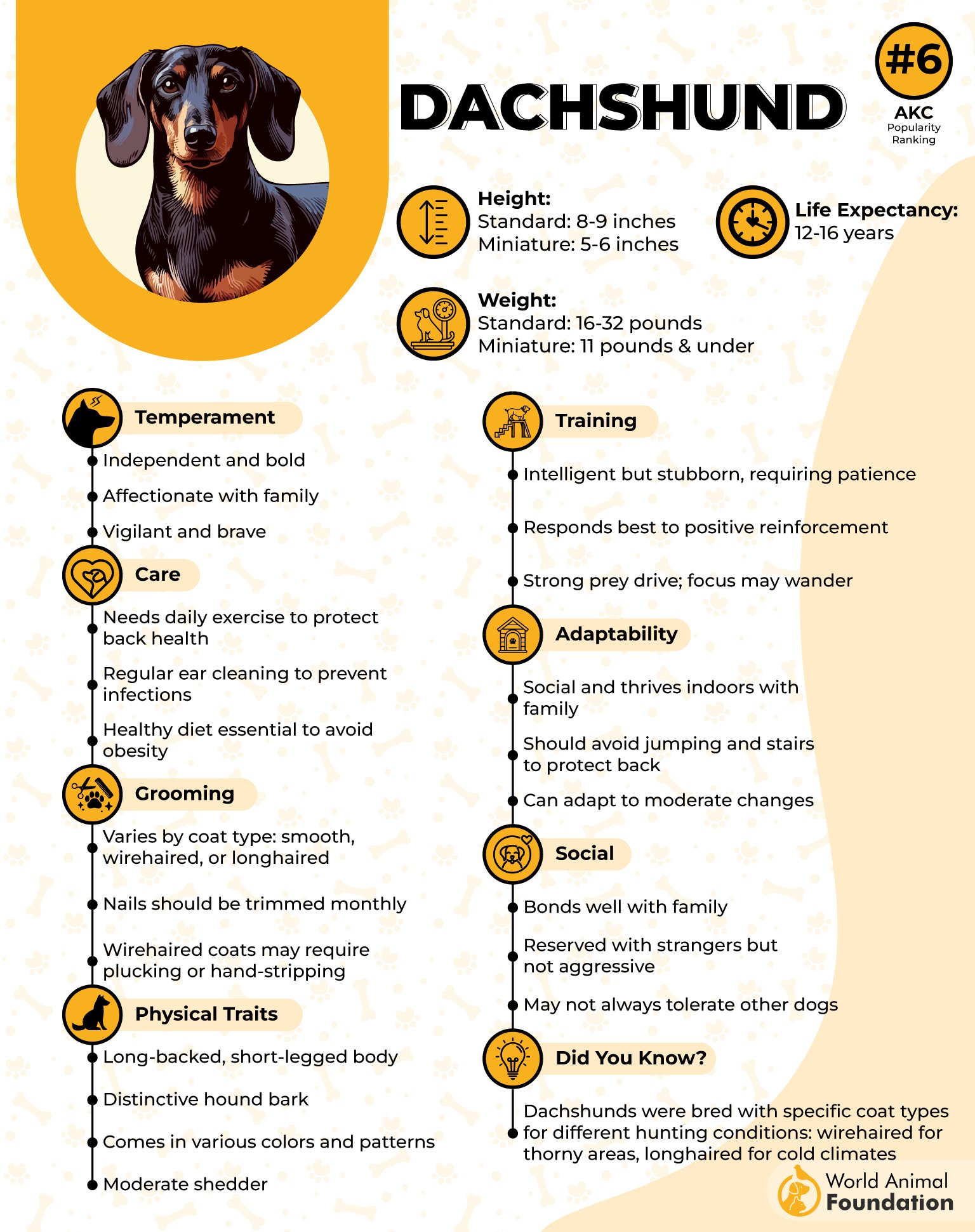
Understanding Dachshund confidence sensitivity and social nature helps owners create a happier and more balanced relationship with their dogs. These small hunting dogs often show big personalities. They can be brave, alert, and independent while also reacting strongly to stress, sudden changes, or harsh treatment.
From my experience studying dog behavior, the most successful Dachshund owners focus on building confidence instead of forcing obedience. A Dachshund that feels safe is more likely to explore, learn, and connect with people. In American homes, where dogs often join busy family routines, emotional security plays a major role in their daily behavior.

Understanding Dachshund confidence and natural bravery
Dachshunds were bred to hunt small animals underground, which shaped their bold and determined nature. Their confidence comes from generations of independent problem solving. Even today, many Dachshunds approach new situations with curiosity and courage.
Dachshund confidence sensitivity and social nature can seem like a contradiction at first. A Dachshund may bark at a large dog but become nervous around unfamiliar sounds at home. This mix of bravery and sensitivity is a normal part of the breed.

- ✦ Strong personality
Dachshunds often act fearless because they have a natural instinct to investigate and protect their space.
- ✦ Need for emotional support
Confidence grows when owners provide calm leadership instead of punishment or fear-based training.
- ✦ Independent thinking
Their hunting background makes them smart but sometimes stubborn during training.
How confidence develops in Dachshunds
Confidence develops through safe experiences, rewards, and gentle exposure to new places. Puppies that meet different people, sounds, and environments in a positive way often become more adaptable adults.
- ✦ Positive experiences
Small wins during walks and training sessions help Dachshunds believe they can handle challenges.
Why Dachshunds are sensitive despite their bold attitude
Many owners notice that Dachshunds have sensitive emotions. They often pay close attention to human moods, voices, and body language. A harsh reaction can affect them more deeply than owners expect.
Dachshund confidence sensitivity and social nature means they need a balance between independence and reassurance. They want to explore the world but also need a trusted person nearby when something feels unfamiliar.

- ✦ Sensitive to tone
A calm voice usually works better than shouting because Dachshunds respond strongly to emotional signals.
- ✦ Can develop fear habits
Repeated stressful experiences may lead to hiding, barking, or avoiding certain situations.
Signs of a sensitive Dachshund
A sensitive Dachshund may freeze, move away, bark more, or seek comfort from their owner. These behaviors are communication signals, not signs of a bad dog.
- ✦ Body language awareness
Owners should watch ears, tail movement, posture, and eye contact to understand feelings.
The social nature of Dachshunds and their bond with people
Dachshunds are known for forming deep relationships with their families. They often choose favorite people and enjoy being involved in daily activities. This close bond is one reason many owners describe them as loyal companions.
Dachshund confidence sensitivity and social nature is strongly connected to companionship. These dogs usually do best when they receive regular interaction instead of being left alone for long periods every day.

- ✦ Family connection
Dachshunds enjoy following family members and participating in household routines.
- ✦ Social learning
Regular positive contact with people and dogs can improve their comfort in different situations.
Are Dachshunds good family dogs?
Dachshunds can be excellent family pets when children learn respectful handling. Their small size does not mean they enjoy rough play, so supervision helps create positive relationships.
- ✦ Respectful interaction
Teaching children gentle behavior helps protect the dog’s confidence and trust.
Building confidence through proper Dachshund socialization
Socialization is one of the best ways to support healthy Dachshund confidence sensitivity and social nature. The goal is not to make every dog love every person or animal. The goal is to help the dog stay calm and comfortable.
Good socialization starts with controlled experiences. A quiet walk, meeting a friendly neighbor, or visiting a new place can teach a Dachshund that change is safe.

- ✦ Start early
Young Dachshunds benefit from safe exposure to different environments and sounds.
- ✦ Avoid forced interactions
Allowing a dog to approach at their own speed builds trust.
- ✦ Use rewards
Treats and praise help create positive associations with new experiences.
Common social challenges
Some Dachshunds may bark at strangers, protect their owners, or become nervous around unfamiliar dogs. These habits can improve with patience and consistent training.
- ✦ Fear-based barking
Barking may come from uncertainty rather than aggression.
Training methods that support Dachshund emotional confidence
Training should respect the unique Dachshund confidence sensitivity and social nature. These dogs respond well to short sessions, clear rules, and rewards for good choices.
Because Dachshunds are intelligent, they need mental challenges as well as physical activity. Games, puzzle toys, and simple commands can improve focus and strengthen the owner-dog relationship.

- ✦ Positive reinforcement
Reward-based training encourages cooperation without damaging trust.
- ✦ Consistency
Clear daily routines help sensitive dogs understand expectations.
Mistakes owners should avoid
Punishing fear responses or ignoring emotional needs can make confidence problems worse. Training works best when owners guide behavior while protecting the dog’s sense of safety.
- ✦ Avoid harsh corrections
Fear-based methods may reduce trust and increase stress.
Helping a shy or nervous Dachshund become more confident
Some Dachshunds need extra time to feel comfortable. A patient approach can help them gain confidence without pressure. Every dog has a different personality and learning speed.
Dachshund confidence sensitivity and social nature improves when owners create predictable routines. A safe home environment gives sensitive dogs a strong foundation.

- ✦ Create safe spaces
A quiet resting area gives a nervous Dachshund a place to relax.
- ✦ Build trust slowly
Small positive steps create lasting confidence.
Confidence-building activities
Simple activities like scent games, gentle walks, and training exercises can help Dachshunds feel capable and secure.
- ✦ Mental enrichment
Brain games allow Dachshunds to use their natural problem-solving skills.
