
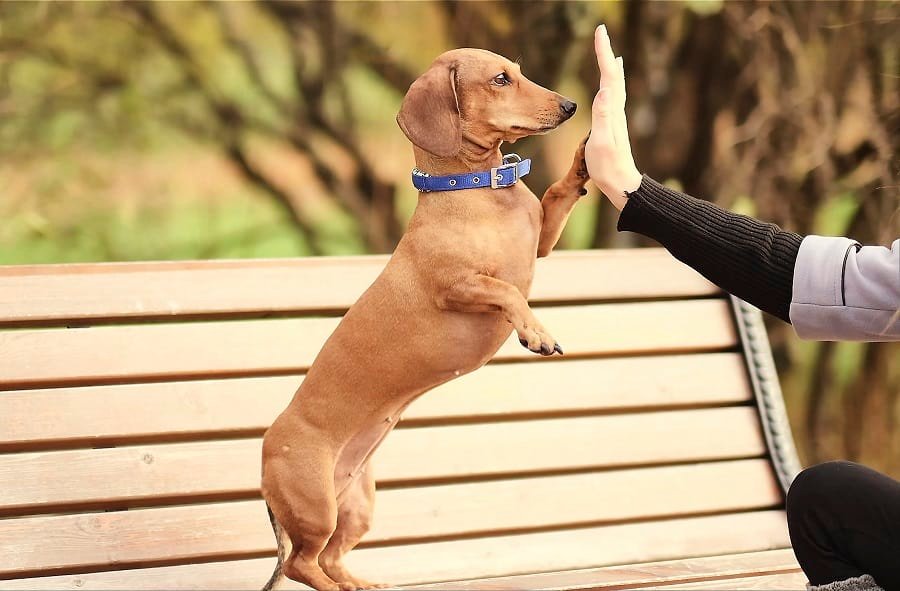
Dachshund social and greeting behavior is often a mix of affection, curiosity, confidence, and natural alertness. In many American homes, Dachshunds are loved for their loyal nature and big personalities inside a small body. They often greet family members with excitement while taking more time to accept unfamiliar people.
After working with many small dog behavior cases, one lesson stands out: a Dachshund that learns positive social skills early usually becomes easier to manage in daily life. A calm introduction, clear boundaries, and patient training can shape how your Dachshund meets guests, children, and other pets.
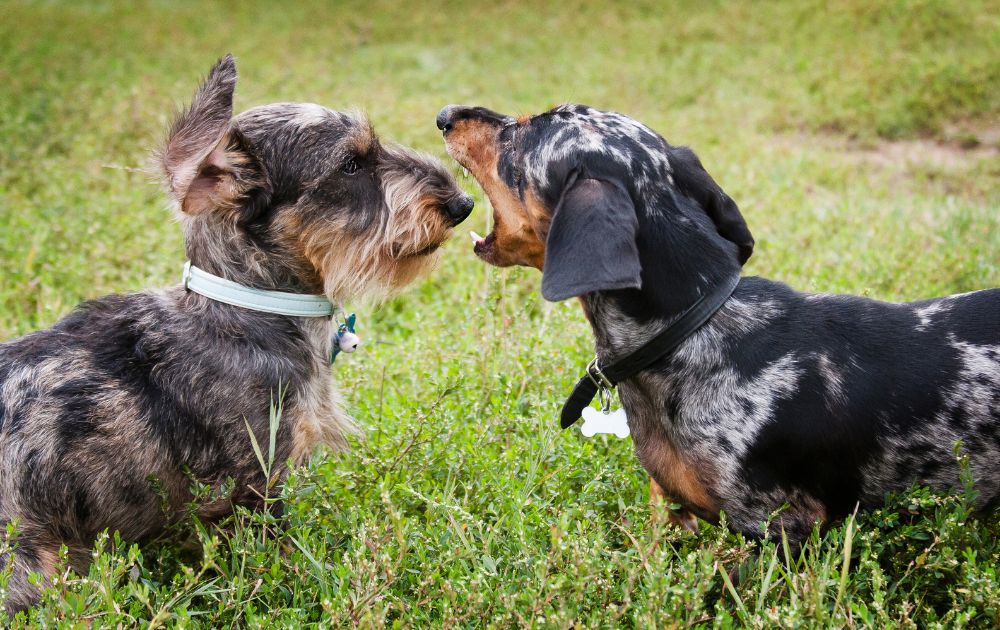
Understanding natural Dachshund social and greeting behavior
Dachshund social and greeting behavior starts with their history as hunting dogs. They were bred to work independently, follow scents, and make decisions without constant human direction. This background can make them confident, curious, and sometimes selective about new people.
Many Dachshunds are very friendly with people they know. They may run to the door, wag their tail, bring toys, or lean against their owner. With strangers, they may watch first before choosing to interact.
- ✦ Family attachment
Dachshunds often create deep bonds with their owners and show strong excitement when familiar people return home.
- ✦ Stranger awareness
A Dachshund may observe a new person before greeting because they naturally like to assess situations.
Why Dachshunds can seem confident and cautious at the same time
A Dachshund can happily greet family members but bark when someone new arrives. This is not always aggression. Often, it is a form of communication and alert behavior.
- ✦ Alert personality
Their strong awareness makes them notice sounds, movement, and unfamiliar visitors quickly.
How Dachshunds greet their owners and favorite people
Dachshund social and greeting behavior with family members is usually warm and expressive. Many Dachshunds show happiness through tail movement, excited sounds, playful actions, and close contact.
Some Dachshunds jump, spin, or carry objects when greeting people. While these actions are often cute, teaching calm greetings helps prevent unwanted habits.

- ✦ Common happy greetings
Look for relaxed body movement, soft eyes, playful behavior, and a willingness to approach.
- ✦ Building calm greetings
Reward your Dachshund when they sit, wait, or approach politely instead of jumping.
Dachshund greetings with strangers and visitors
Dachshund social and greeting behavior around strangers varies from dog to dog. Some Dachshunds quickly approach visitors, while others prefer to watch from a safe distance.
In the United States, many Dachshunds experience guests, delivery workers, and neighborhood walks regularly. Teaching polite greetings helps them feel secure during these everyday moments.

- ✦ Let the dog choose the pace
Allowing a Dachshund to approach when ready can reduce fear and create better social experiences.
- ✦ Avoid forced greetings
Pushing a nervous dog toward strangers may increase stress and make future meetings harder.
Signs a Dachshund feels comfortable with a visitor
A relaxed Dachshund may have loose muscles, a natural tail position, and a curious approach. A worried dog may hide, freeze, growl, or bark repeatedly.
- ✦ Comfort signals
Loose posture and gentle movement usually show that the dog feels safe.
Socializing a Dachshund puppy for better greetings
Early socialization plays a major role in Dachshund social and greeting behavior. Puppies that experience different people, sounds, places, and gentle handling often become more adaptable adults.
Socialization does not mean meeting everyone at once. It means creating safe, positive experiences that help a Dachshund learn that new situations are not dangerous.

- ✦ Introduce new experiences slowly
Use short positive sessions with rewards to help your puppy build confidence.
- ✦ Include different people
Calm exposure to adults, children, and visitors can improve social confidence.
Dachshund communication during greetings
Understanding body language is a key part of Dachshund social and greeting behavior. Dogs communicate before they bark or move closer, so owners should learn these early signals.
A Dachshund may show interest by sniffing, looking closely, or slowly approaching. Learning these signals helps owners support better interactions.

- ✦ Positive signals
A loose body, playful movement, and relaxed face usually indicate comfort.
- ✦ Stress signals
Lip licking, hiding, stiff posture, or repeated barking may show discomfort.
Why vocal greetings are common in Dachshunds
Dachshunds are known for being vocal. Barking during greetings can be excitement, alerting, or a request for attention. Training can teach them when to be quiet.
- ✦ Use positive training
Reward calm behavior instead of only reacting when barking starts.
Improving Dachshund social and greeting behavior with training
Consistent training helps shape Dachshund social and greeting behavior throughout their life. Simple skills like sit, wait, and come can make greetings safer and calmer.
Owners should focus on building trust instead of forcing obedience. Dachshunds respond well when training feels rewarding and clear.

- ✦ Practice door greetings
Teach your Dachshund to wait calmly before approaching guests.
- ✦ Reward polite behavior
Treats, praise, and play can reinforce friendly interactions.
