
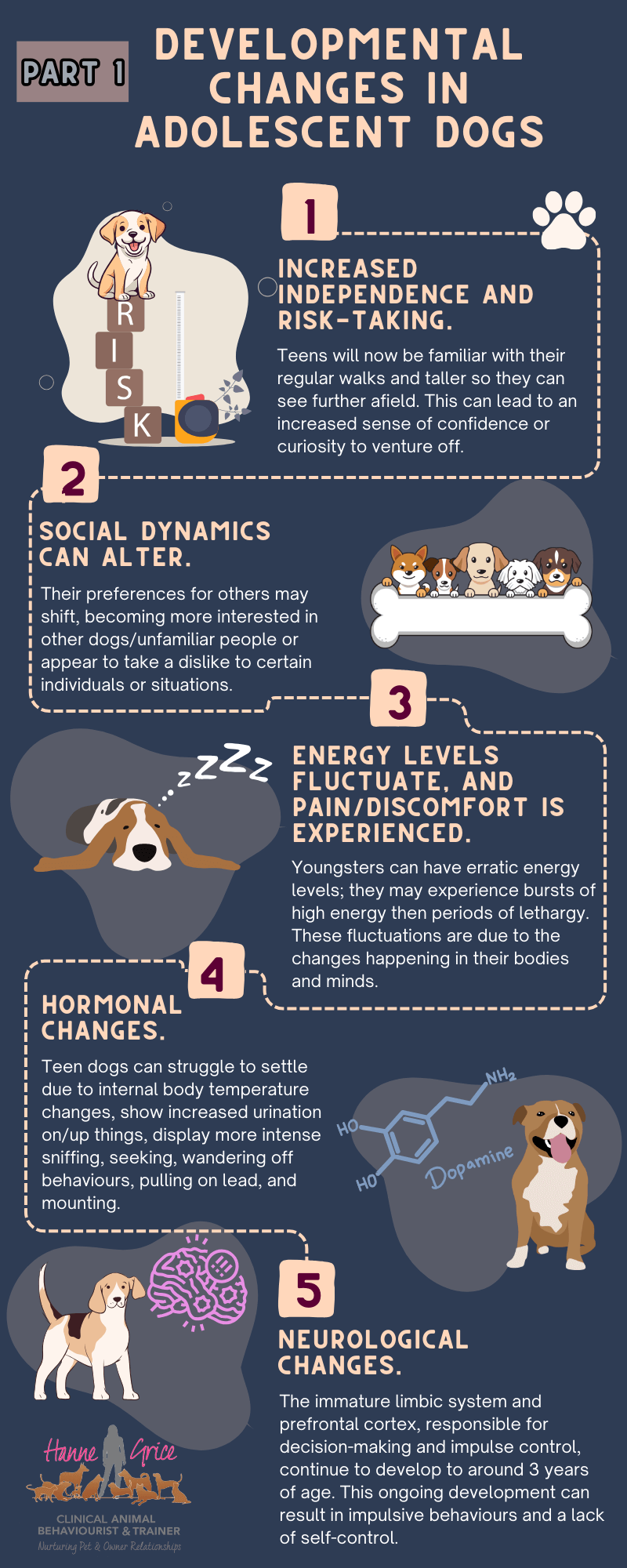
Many dog owners in the United States feel surprised when their sweet puppy suddenly starts ignoring commands, chewing more, pulling on walks, or acting stubborn. This change is often part of canine adolescence, a normal stage between puppyhood and adulthood.
From years of observing young dogs, one important lesson stands out: adolescent dogs are not trying to be difficult. Their brains, hormones, confidence levels, and social skills are still developing. With the right support, this challenging period can become a time of strong learning and growth.
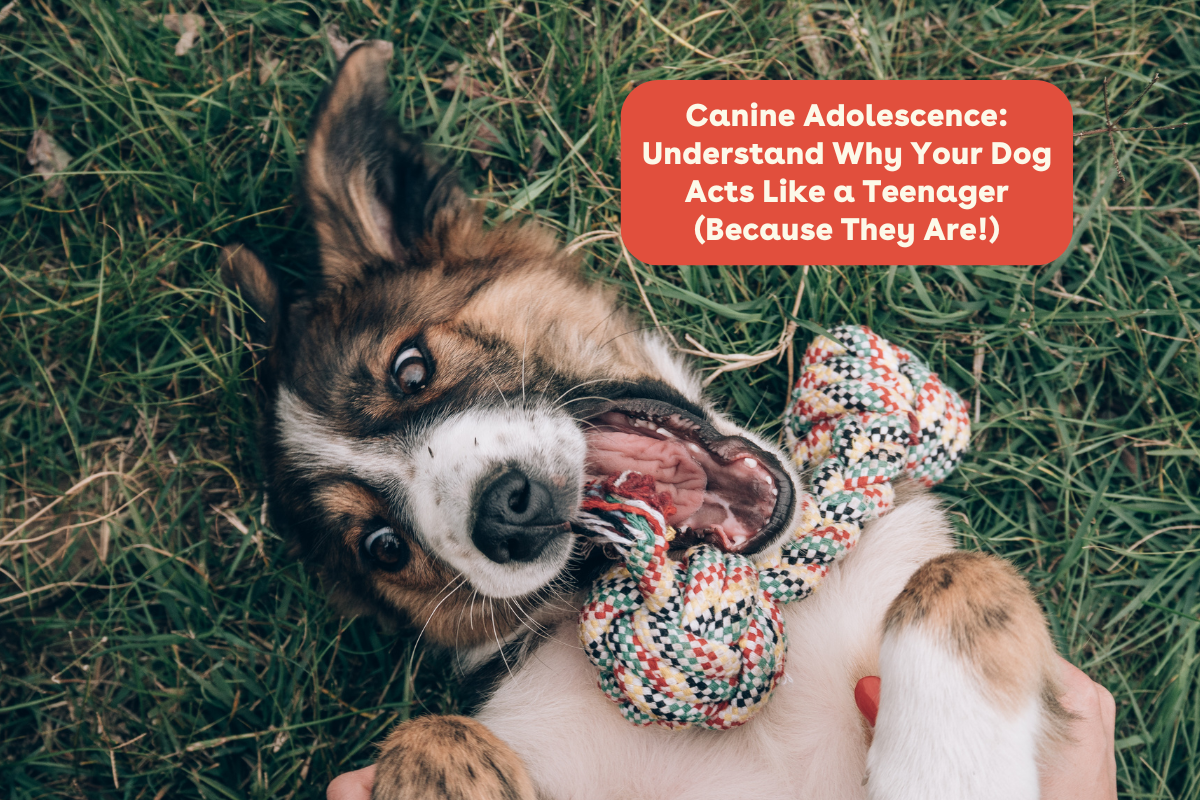
What Is Dog Adolescent Behavior?
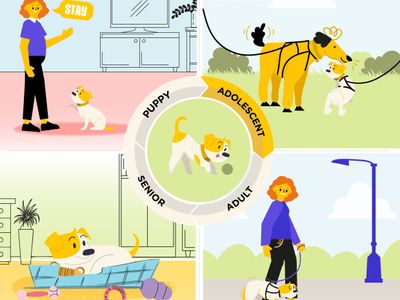
Dog adolescent behavior describes the actions and emotional changes dogs show during their teenage phase. This period usually starts around six months of age and may continue until a dog is between 18 months and three years old, depending on breed and size.
During this stage, dogs become more independent. They may explore more, test household rules, and respond differently to training they once understood. These changes happen because the dog is moving from a young puppy into a more mature animal.
- ✦ Growing independence
Adolescent dogs often want to explore their surroundings and make their own choices instead of always following human direction.
- ✦ Changing emotions
Young dogs may become more confident in some situations and more unsure in others as they learn about the world.
- ✦ New habits
Dogs may develop behaviors like barking, chewing, jumping, or ignoring cues during this development stage.
When Does Canine Adolescence Start?
Small breeds often enter adolescence earlier than large breeds. A Chihuahua may show teenage behavior before a Great Dane, which can take much longer to mature.
The timing varies, but most owners notice changes after the early puppy months. Recognizing this stage helps prevent frustration and supports better training choices.
Common Signs of Dog Adolescent Behavior
The signs of dog adolescent behavior can look similar to disobedience, but many actions come from natural development. Dogs are learning how to control impulses and handle new experiences.
Owners often notice that their dog suddenly seems to forget training. In most cases, the dog has not forgotten. The dog is simply distracted by new interests and stronger instincts.

- ✦ Ignoring known commands
A young dog may appear to ignore commands because distractions become more exciting during adolescence.
- ✦ Increased energy
Teenage dogs often need more physical activity and mental challenges to stay balanced.
- ✦ Testing boundaries
Dogs may repeat unwanted behaviors to discover what responses they receive from people.
- ✦ More chewing
Chewing can increase because dogs seek stimulation, release stress, or explore with their mouths.
Why Dogs Change During Their Teenage Years
Dog adolescent behavior changes because a young dog’s body and brain continue developing. Hormonal changes can affect confidence, focus, and reactions to other dogs or people.
The teenage stage is also a time when dogs practice independence. In nature, this period helps young animals learn important survival skills. Domestic dogs still experience many of these natural drives.

- ✦ Brain development
The adolescent brain is still learning impulse control, focus, and emotional regulation.
- ✦ Hormonal changes
Hormones can influence social behavior, confidence, and interactions with other dogs.
- ✦ Environmental learning
New experiences during adolescence shape future adult behavior.
The Difference Between Normal and Concerning Behavior
Some behavior changes are expected during adolescence, but sudden aggression, extreme fear, or dangerous actions deserve professional guidance.
A veterinarian or qualified dog trainer can help identify whether a behavior is part of normal development or needs extra support.
How to Train an Adolescent Dog Successfully
Training an adolescent dog requires consistency and realistic expectations. This is not the time to stop training because your puppy has learned basic commands.
Short, positive training sessions work better than long sessions. Reward-based methods help dogs understand what behaviors bring good results.

- ✦ Practice basic commands
Continue practicing sit, stay, recall, and leash skills in different locations with more distractions.
- ✦ Reward good choices
Praise calm behavior, focus, and polite actions to encourage repetition.
- ✦ Create clear routines
Daily schedules help adolescent dogs understand expectations and feel secure.
Avoid Punishment-Based Training
Harsh corrections can increase stress and damage trust. Dogs learn better when owners guide them toward the right behavior.
Positive reinforcement builds confidence and creates a stronger relationship between dogs and their families.
Exercise and Mental Stimulation for Teenage Dogs
Many dog adolescent behavior problems become worse when dogs do not receive enough mental and physical activity. A bored adolescent dog may create its own entertainment through chewing, digging, or barking.
Exercise needs depend on breed, health, and personality. A balanced routine should include walks, play, training games, and rest.

- ✦ Use puzzle activities
Food puzzles and scent games give dogs a healthy way to use their natural problem-solving skills.
- ✦ Offer safe social time
Controlled interactions help dogs develop confidence around people and other animals.
- ✦ Balance activity and rest
Young dogs still need enough sleep to support healthy development.
Socialization During Dog Adolescence
Socialization does not end when puppyhood ends. Adolescent dogs still need positive experiences with different people, places, sounds, and situations.
Many American dog owners take their young dogs to parks, training classes, and community areas. These experiences should be controlled and positive rather than overwhelming.
- ✦ Introduce new experiences slowly
Allow dogs to explore new situations at a comfortable pace.
- ✦ Watch body language
Signs like hiding, freezing, or excessive stress show when a dog needs more space.
- ✦ Build confidence
Positive experiences help adolescent dogs become stable adult companions.
Mistakes Owners Make With Adolescent Dogs
Many owners struggle because they expect adolescent dogs to behave like trained adults. This creates frustration when the dog still needs guidance and practice.
Understanding dog adolescent behavior helps owners respond with patience instead of reacting emotionally to normal developmental changes.
- ✦ Stopping training too early
Dogs need continued practice during adolescence to maintain reliable skills.
- ✦ Giving too much freedom
Young dogs need boundaries until they can consistently make good choices.
- ✦ Ignoring mental needs
Physical exercise alone may not satisfy a curious adolescent dog.
