
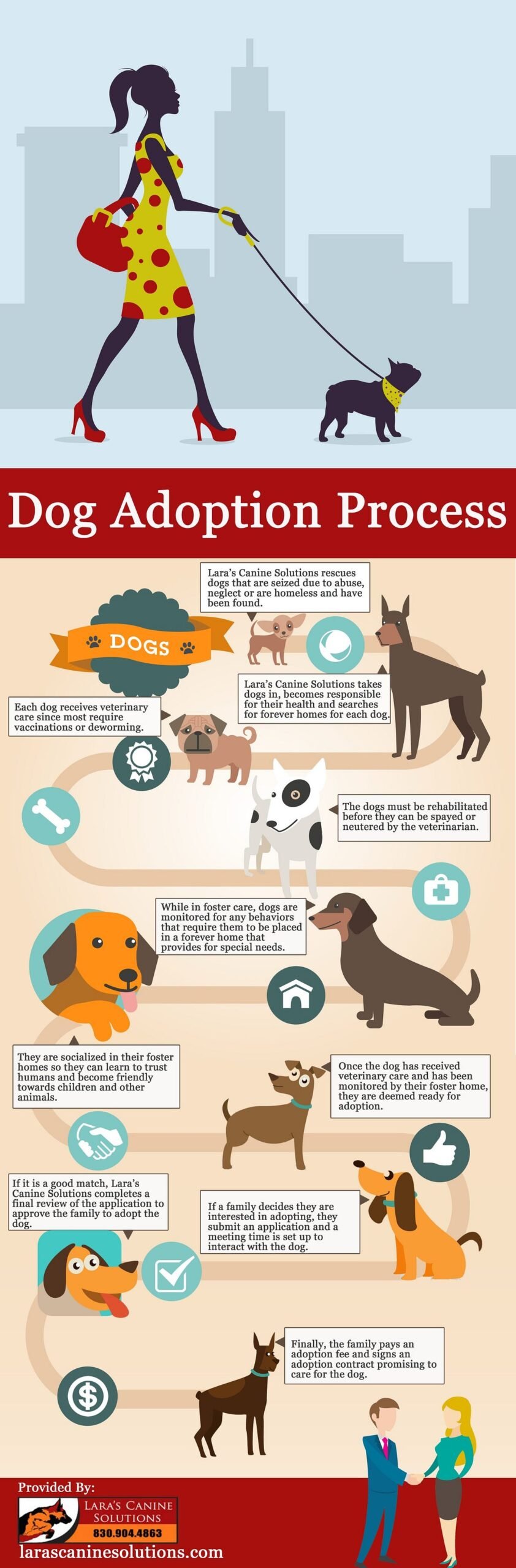
Bringing home a dog is an exciting moment, but preparation is what turns excitement into a successful long-term relationship. In my experience helping people understand pet transitions, the families who prepare early usually handle the first weeks with fewer problems.
Dog adoption preparation is not only about buying toys and food. It includes learning about your dog’s needs, creating safe spaces, planning daily care, and understanding that every rescue or shelter dog may need time to adjust.
Why dog adoption preparation matters before bringing a dog home
A new dog enters a completely different world when they leave a shelter, foster home, or previous owner. A prepared home gives the dog a sense of safety and helps reduce stress during the adjustment period.
Dog adoption preparation also helps owners understand the commitment involved. Dogs need daily exercise, medical care, training, attention, and a stable routine for many years.
- ✦ Creates a safer environment
Preparing your home removes dangers and gives your dog a comfortable place to relax.
- ✦ Builds realistic expectations
Learning about dog behavior helps owners avoid frustration during the adjustment period.
Understanding the emotional needs of an adopted dog
Many adopted dogs experience change before joining a family. They may feel nervous, confused, or unsure at first.
Patience, calm communication, and predictable routines help dogs learn that their new home is safe.
- ✦ Give time to adjust
Avoid expecting instant bonding because trust grows through repeated positive experiences.
Choosing the right dog for your lifestyle
Successful dog adoption preparation starts before adoption day. The best match depends on your lifestyle, home size, activity level, and experience with pets.
A high-energy dog may need long walks and active play, while an older dog may prefer a quieter routine. Consider your daily schedule before choosing.
- ✦ Consider energy level
Choose a dog whose exercise needs match the amount of activity you can provide.
- ✦ Ask about history
Shelter staff and foster families can often share useful details about behavior and needs.
Questions to ask before adoption
Ask about health records, training, food preferences, behavior around people, and experience with other animals.
- ✦ Health information
Learn about vaccinations, medications, and any ongoing care requirements.
- ✦ Behavior information
Understand fears, habits, and personality traits before bringing the dog home.
Preparing your home for an adopted dog
A safe home is one of the most important parts of dog adoption preparation. Dogs explore with their noses and mouths, so small household hazards can become serious problems.
Create a quiet area where your dog can rest. A bed, crate if appropriate, water bowl, and familiar items can help your dog feel comfortable.
- ✦ Remove hazards
Secure wires, chemicals, small objects, and foods that may harm your dog.
- ✦ Create boundaries
Use gates or closed doors to control access while your dog learns the home.
Dog-proofing checklist
Walk through your home from a dog’s viewpoint. Look for anything your pet could chew, swallow, or knock over.
- ✦ Kitchen safety
Keep unsafe foods and trash containers out of reach.
- ✦ Outdoor safety
Check fences, gates, and outdoor areas before allowing free access.
Essential supplies to buy before adoption day
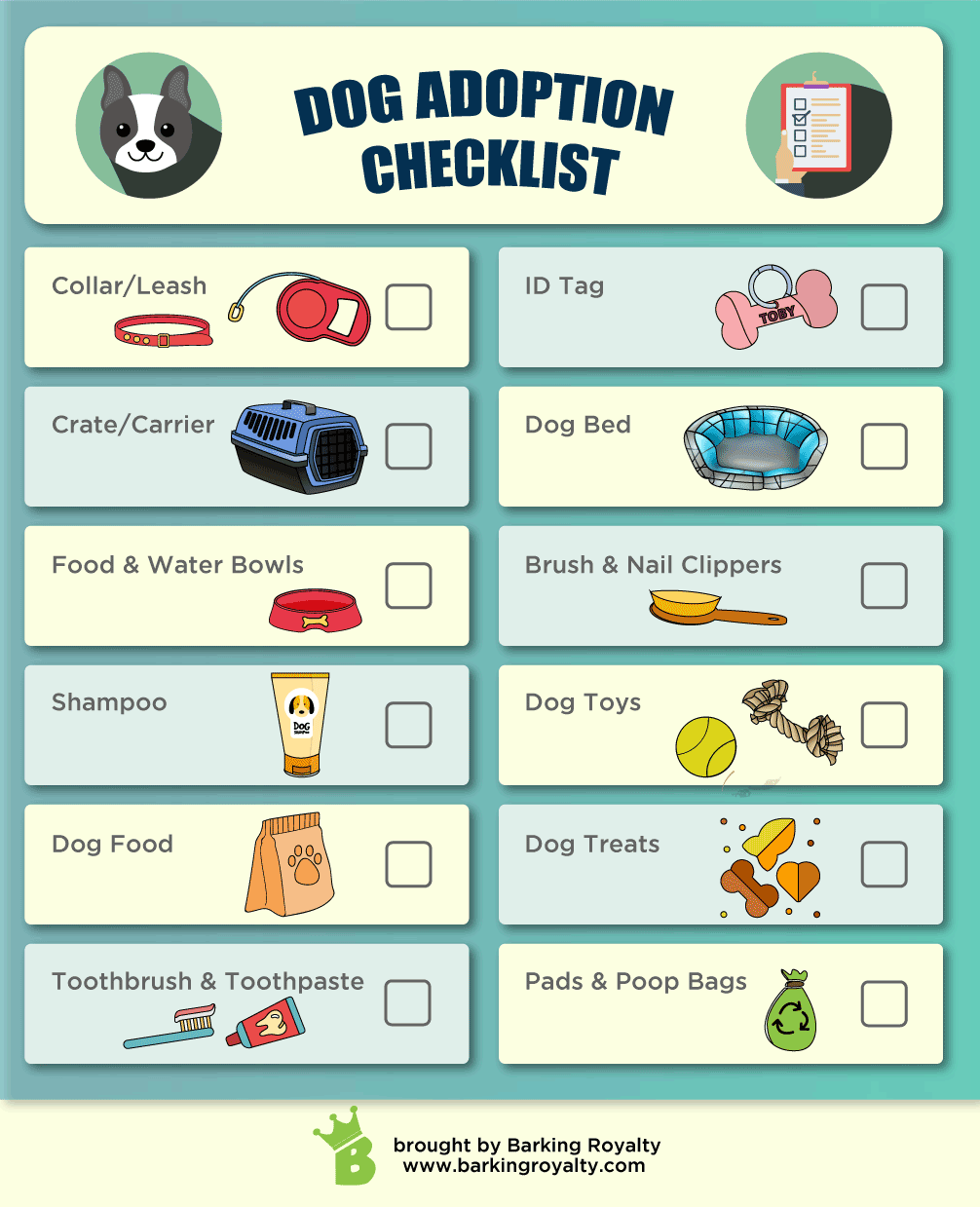
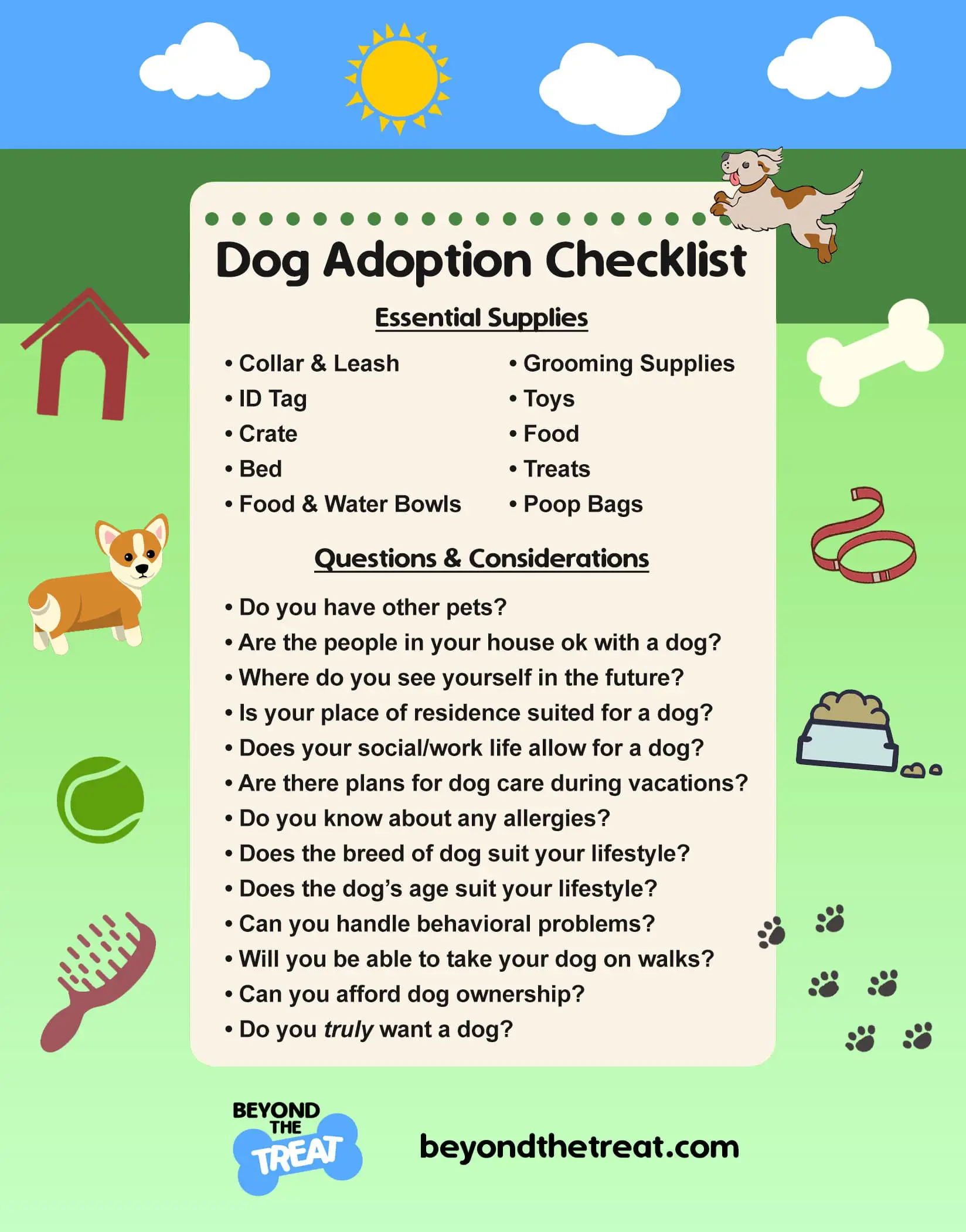
Buying supplies early makes the first days easier. Good dog adoption preparation includes choosing items that support comfort, safety, and daily care.
You do not need every product available in stores. Start with basics and add items as you learn your dog’s preferences.
- ✦ Food and water supplies
Prepare quality food recommended for your dog’s age, size, and health needs.
- ✦ Walking supplies
Have a properly fitted collar, identification tag, leash, and waste bags ready.
- ✦ Comfort items
Provide a bed, blanket, toys, and a quiet resting area.
Planning the first days after bringing your dog home
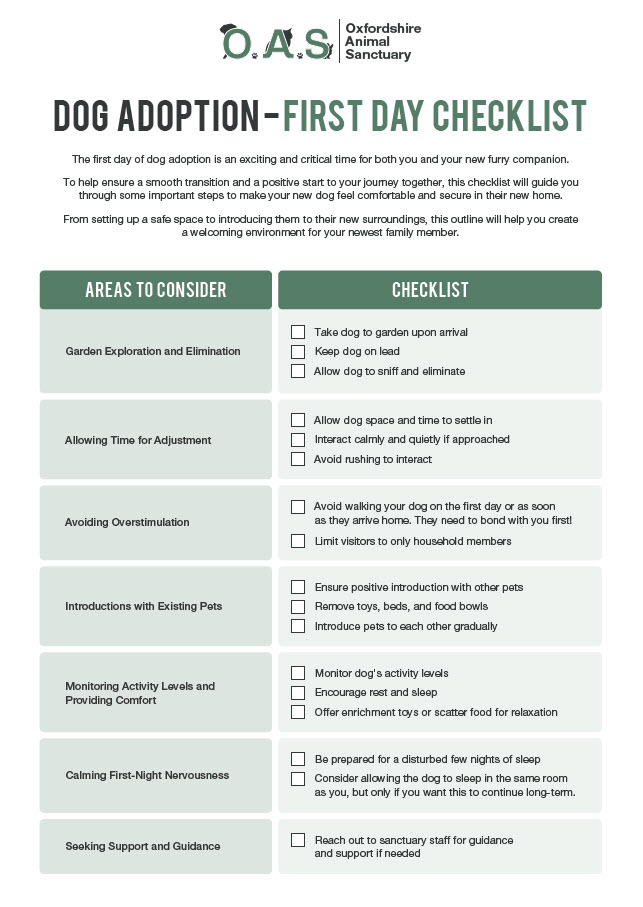
The first days are a major part of dog adoption preparation. Your dog may need time to understand new smells, people, sounds, and routines.
Keep the environment calm. Avoid overwhelming your new dog with many visitors or too many new experiences at once.
- ✦ Follow a routine
Regular meal times, walks, and rest periods help dogs feel secure.
- ✦ Use positive training
Reward good behavior with praise, treats, and patience instead of punishment.
The first veterinary visit
Schedule a vet visit soon after adoption. A professional check can identify health needs and create a care plan.
- ✦ Health review
Discuss vaccines, parasites, nutrition, and preventive care.
Building a strong relationship with your adopted dog
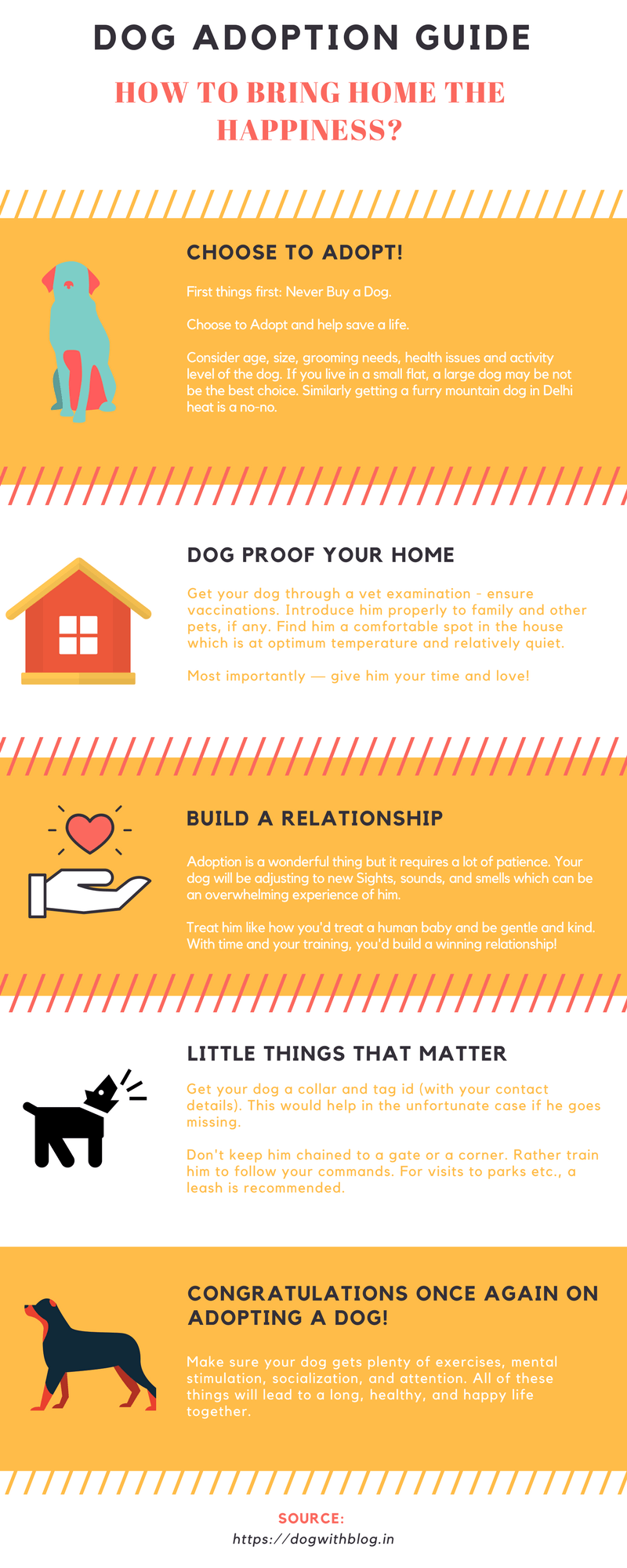
A successful adoption grows through trust. Dogs learn through repetition, kindness, and clear communication.
Dog adoption preparation continues after adoption day because your dog’s needs may change as they become more comfortable.

- ✦ Spend quality time
Play, train, and relax together to create a strong connection.
- ✦ Learn body language
Understanding signs of stress or happiness helps you respond better.
Common adjustment challenges
Some dogs may have accidents, separation concerns, or fear behaviors. These issues often improve with structure and support.
- ✦ Stay patient
Progress may happen slowly, especially for dogs with difficult past experiences.
