
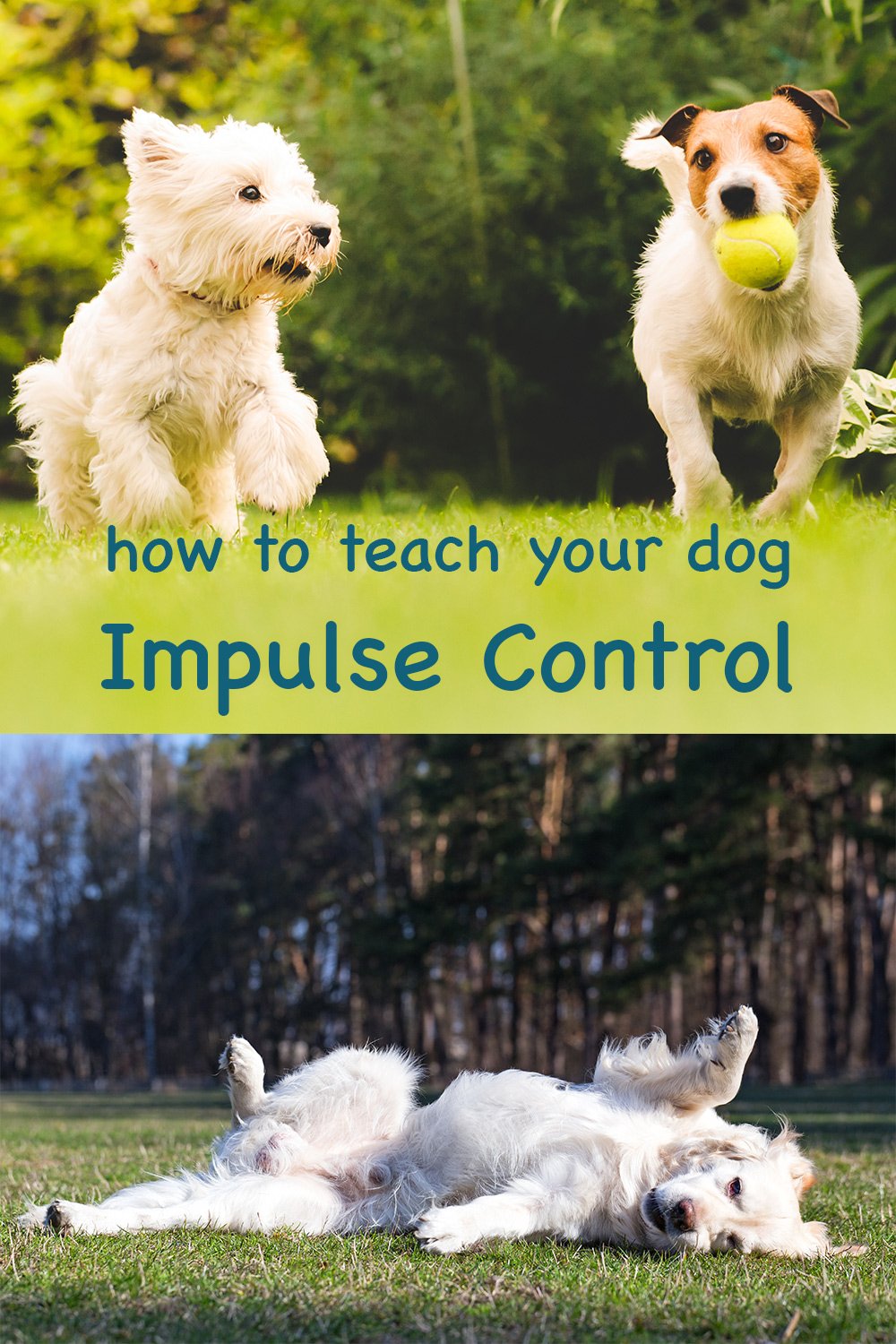
Dog breed impulse control is one of the most useful skills a dog can learn. It helps a dog wait before eating, stay calm around visitors, and listen even when distractions appear.
In my experience working with dog training topics, many behavior issues come from fast reactions rather than a lack of intelligence. A smart dog still needs practice learning when to act and when to pause.

What is dog breed impulse control?
Dog breed impulse control means a dog can control natural urges and wait for guidance. A dog with good impulse control does not jump, rush, bark, or grab things without thinking.
This skill does not remove a dog’s personality. Instead, it gives the dog a better way to handle excitement, fear, play, and curiosity.
- ✦ Waiting
The dog learns to pause before meals, doors, toys, or greetings.
- ✦ Focus
The dog learns to look at the owner even when something exciting happens.
- ✦ Calm choices
The dog learns that relaxed behavior often brings rewards.
Why impulse control matters for different dog breeds
Different dog breeds have different instincts. Herding breeds may react to movement, sporting breeds may chase objects, and terriers may follow prey drives.
Dog breed impulse control training helps owners work with these natural traits instead of fighting them.

- ✦ High energy breeds
Active dogs often need games that teach patience before physical activity.
- ✦ Independent breeds
Some dogs need extra motivation and clear rewards during training.
Breed traits and training needs
A Border Collie may need control around movement. A Labrador Retriever may need control around food and greetings. The training goal stays the same, but the triggers can change.
Common signs a dog needs impulse control training
Many owners notice impulse problems during normal daily moments. The dog may understand commands but struggle when emotions become strong.
Early training can prevent small habits from becoming harder behavior challenges.

- ✦ Jumping on people
The dog struggles to stay calm during greetings.
- ✦ Pulling on walks
The dog reacts before checking owner direction.
- ✦ Demand behavior
The dog barks or pushes for attention instead of waiting.
How to train dog breed impulse control step by step
Good impulse control comes from small repeated lessons. Training should be simple, clear, and rewarding.
A common mistake is asking for perfect behavior too soon. Dogs need many successful repetitions before a skill becomes reliable.

- ✦ Start with easy waits
Ask the dog to pause for a few seconds before getting a reward.
- ✦ Increase distractions slowly
Practice around mild distractions before harder situations.
- ✦ Reward calm behavior
Give rewards when the dog chooses patience and focus.
Useful impulse control exercises
Popular exercises include leave it, stay, place training, calm door exits, and waiting for food. These skills teach the dog that patience creates opportunities.
- ✦ Leave it
The dog learns to ignore something tempting.
- ✦ Stay
The dog learns to hold a position despite distractions.
Impulse control games for dogs
Games make training easier because dogs learn through action and reward. Short games also help prevent boredom.
Dog breed impulse control improves when the dog practices stopping, thinking, and responding.

- ✦ Treat waiting game
Place a treat nearby and reward the dog for waiting until released.
- ✦ Toy release game
Teach the dog to drop and wait before play continues.
Mistakes to avoid during impulse control training
Training mistakes can slow progress. Dogs learn best when rules stay clear and rewards are consistent.
Owners should avoid expecting calm behavior in difficult situations before building the skill at home.
- ✦ Training only during problems
Practice skills daily instead of waiting for a bad moment.
- ✦ Using unclear rules
Dogs need the same expectations from all family members.
