
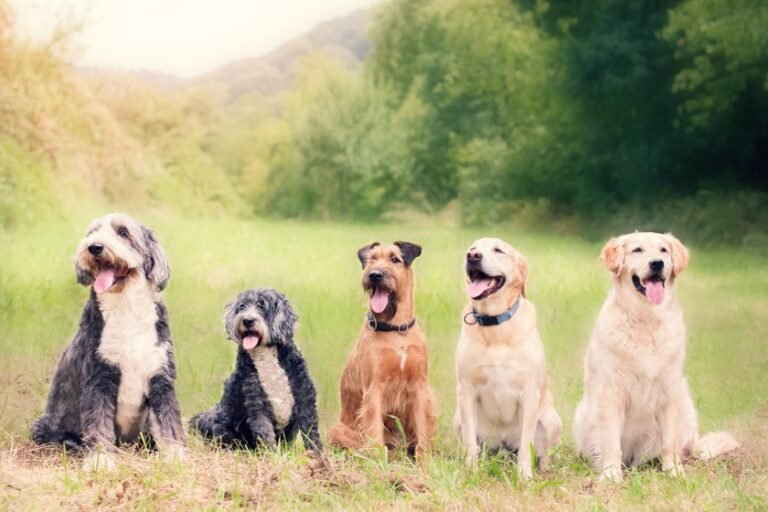
A Dog breed multi-dog introduction is more than letting two dogs meet and hoping they become friends. Dogs communicate through body signals, scent, movement, and energy. A careful introduction helps reduce stress and creates a stronger foundation for a peaceful home.
In my experience studying dog behavior and pet care practices, the biggest mistake owners make is moving too fast. A new dog may need days or weeks to feel safe. The goal of a Dog breed multi-dog introduction is not instant friendship. The goal is calm and respectful coexistence.

Understanding Dog Breed Multi-Dog Introduction Basics
Every Dog breed multi-dog introduction is different because every dog has a unique personality. Breed history can influence instincts, play style, energy needs, and communication patterns.
A young active dog may overwhelm an older dog. A quiet dog may struggle with a highly social dog. Owners should look at the whole dog, not only the breed name.
- ✦ Age differences
Older dogs may need more rest and personal space, while younger dogs often need guidance with excitement control.
- ✦ Energy levels
Dogs with similar activity needs often adjust more easily because their daily routines match better.
- ✦ Past experiences
Previous social experiences can affect confidence and comfort around new dogs.
Why Slow Introductions Matter
A slow Dog breed multi-dog introduction allows dogs to process new smells, sounds, and behaviors without feeling trapped. Rushing can create fear or conflict.
Short, positive meetings teach dogs that being together brings good experiences.
- ✦ Reduce pressure
Give dogs space and avoid forcing physical contact.
Preparing Your Home Before Adding Another Dog
Home preparation is a key part of a Dog breed multi-dog introduction. Dogs need safe areas where they can relax without competition.
American homes often have different layouts, from apartments to large houses. The setup should match the dogs’ needs and available space.
- ✦ Create separate resources
Use separate food bowls, beds, toys, and resting areas to prevent resource conflicts.
- ✦ Maintain routines
Keep feeding, walking, and sleeping schedules predictable during the adjustment period.
First Day Home Setup
The first day should be calm and controlled. Avoid crowded gatherings and allow dogs to explore at their own pace.
Step-by-Step Dog Breed Multi-Dog Introduction Process
A successful Dog breed multi-dog introduction usually begins outside the home. Neutral locations reduce territorial behavior and help dogs focus on each other.
The process should move from distance to closer interaction only when both dogs show relaxed body language.
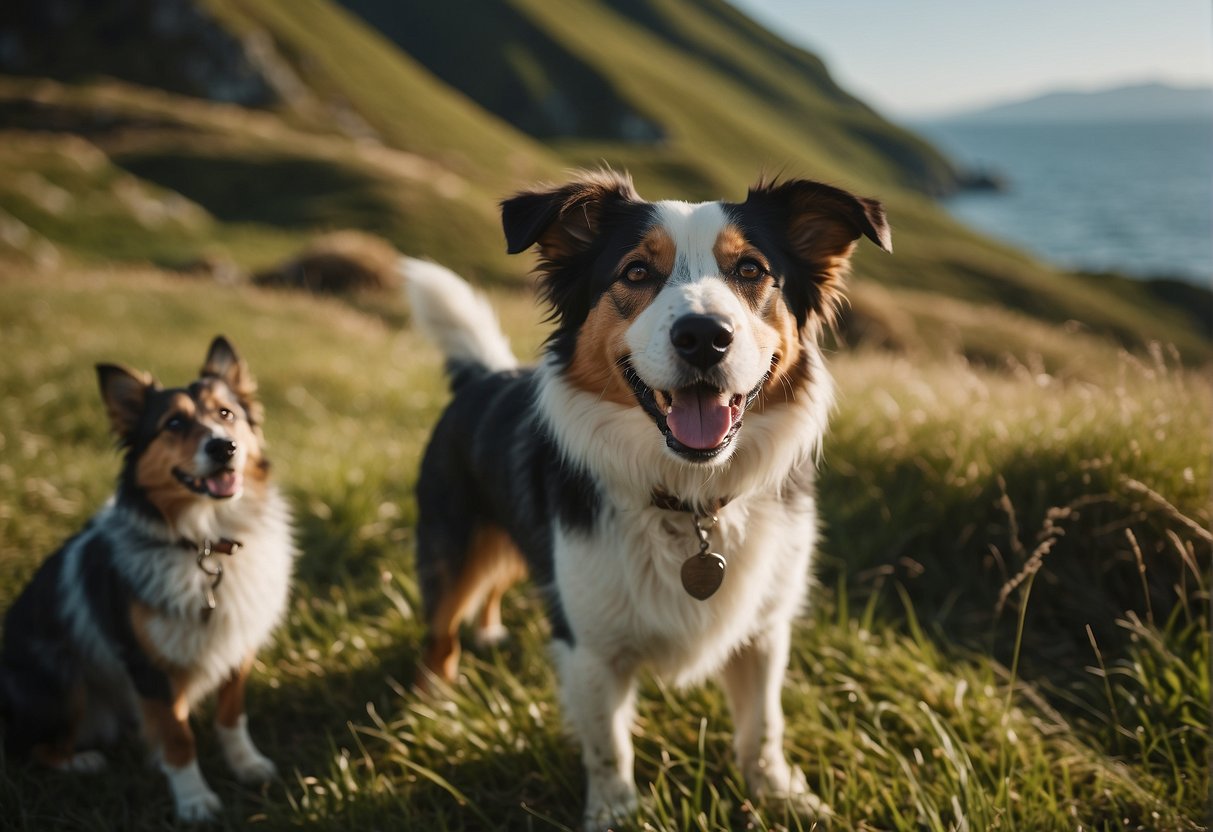
- ✦ Start with parallel walking
Walk dogs side by side with space between them before allowing closer contact.
- ✦ Watch body language
Look for loose bodies, relaxed tails, and calm interest instead of tension.
- ✦ Reward calm behavior
Use praise and treats when dogs remain relaxed near each other.
Signs of a Positive Meeting
Healthy introductions often include sniffing, relaxed movement, and short breaks. Dogs do not need constant play to build a good relationship.
- ✦ Comfort signals
Relaxed posture and gentle curiosity show that a dog feels safe.
Common Challenges During Multi-Dog Household Adjustment
Even a careful Dog breed multi-dog introduction can have challenges. Dogs may compete for attention, struggle with sharing space, or need time to understand new routines.
Most problems improve when owners manage the environment and avoid punishing normal communication signals.
- ✦ Resource guarding
Some dogs protect food, toys, or resting areas. Management and training can reduce this behavior.
- ✦ Jealous behavior
Balanced attention helps dogs feel secure when a new companion arrives.
Training Tips for Long-Term Harmony Between Dogs
Training continues after the first Dog breed multi-dog introduction. Dogs need clear rules, regular practice, and positive experiences together.
Simple commands like sit, stay, and leave it can help owners manage daily situations with multiple dogs.
- ✦ Train individually
Separate training sessions help each dog build confidence.
- ✦ Reward cooperation
Positive reinforcement encourages calm interactions between dogs.
