
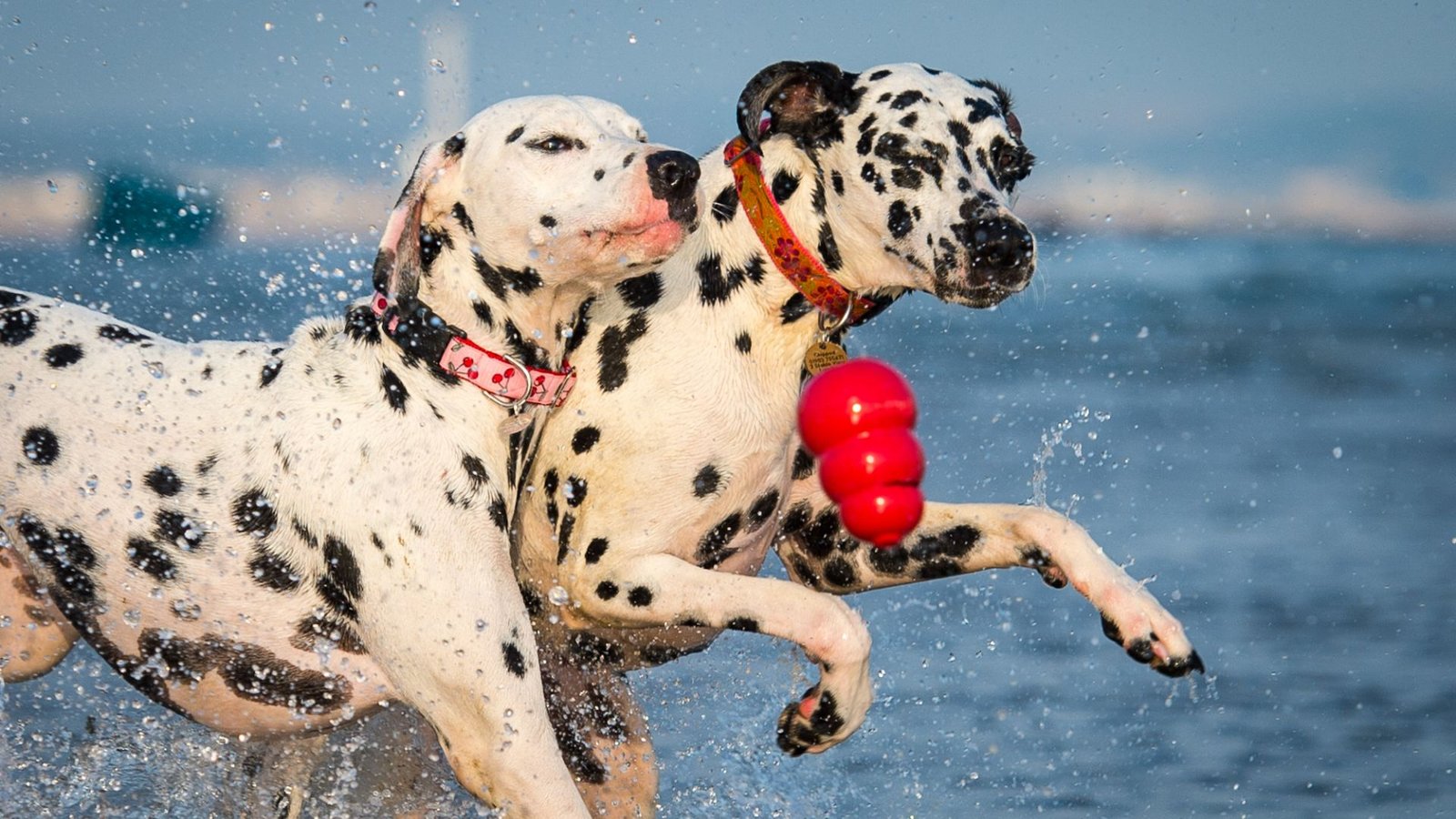
Every dog has a unique reason for wanting to play. Some dogs love chasing a ball for hours, while others prefer tug games, scent games, or playful interaction with people. Understanding Dog breed play motivation helps owners choose activities that match their dog’s natural interests.
In my experience studying dog behavior and training methods, the biggest mistake owners make is assuming every dog enjoys the same type of play. A Border Collie may feel fulfilled by a challenging task, while a Labrador Retriever may become excited by a simple game of fetch.
For families across the United States, play is more than entertainment. It supports exercise, mental health, training, and the relationship between dogs and their owners.
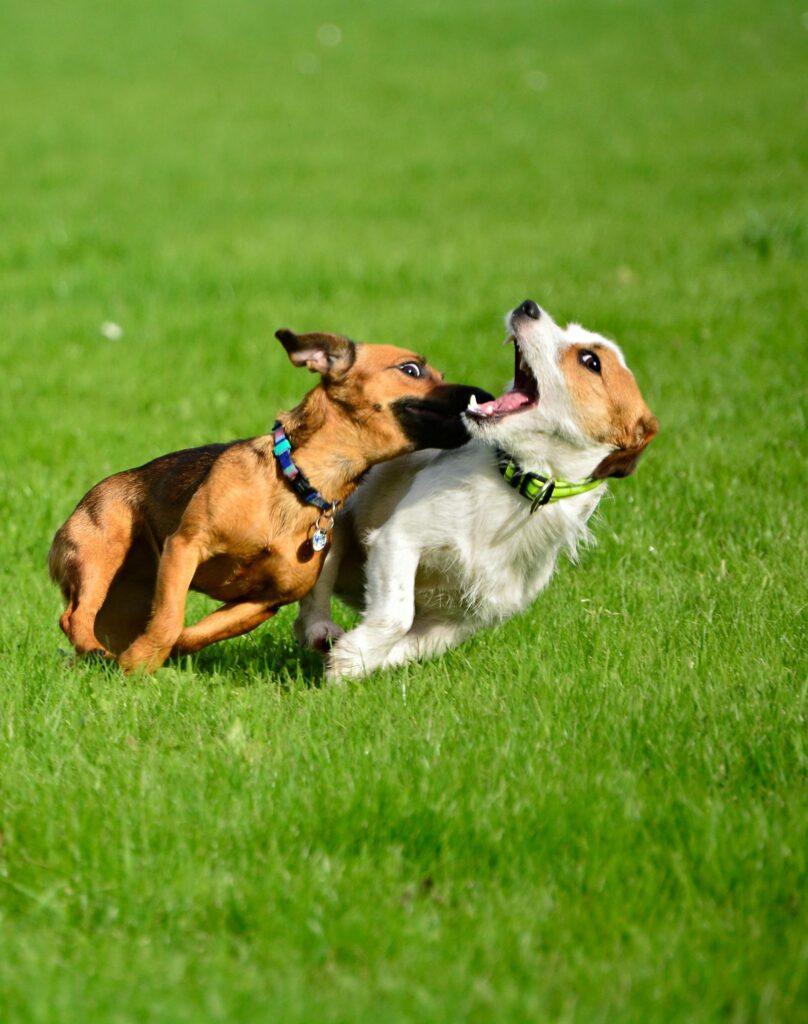
What Is Dog Breed Play Motivation?
Dog breed play motivation describes the reasons a dog wants to engage in play. It includes natural drives, learned preferences, emotional needs, and the enjoyment a dog gets from certain activities.
Some dogs are motivated by movement. Others enjoy problem solving, social connection, or controlling objects during games. These differences explain why one dog may ignore a toy while another becomes excited immediately.

- ✦ Instinct
Breed history can influence the types of games a dog finds rewarding. Herding breeds often enjoy movement and control games, while retrieving breeds often enjoy carrying objects.
- ✦ Personality
Individual dogs can have different preferences even within the same breed.
- ✦ Learning history
Positive experiences can make certain games more valuable to a dog over time.
Why Play Motivation Matters
Knowing what motivates a dog makes training easier. A toy-loving dog may work hard for a tug session, while a food-focused dog may respond better to treats.
The goal is not to force a dog into a specific game. The goal is to discover what naturally creates excitement and confidence.
How Breed Traits Influence Play Preferences
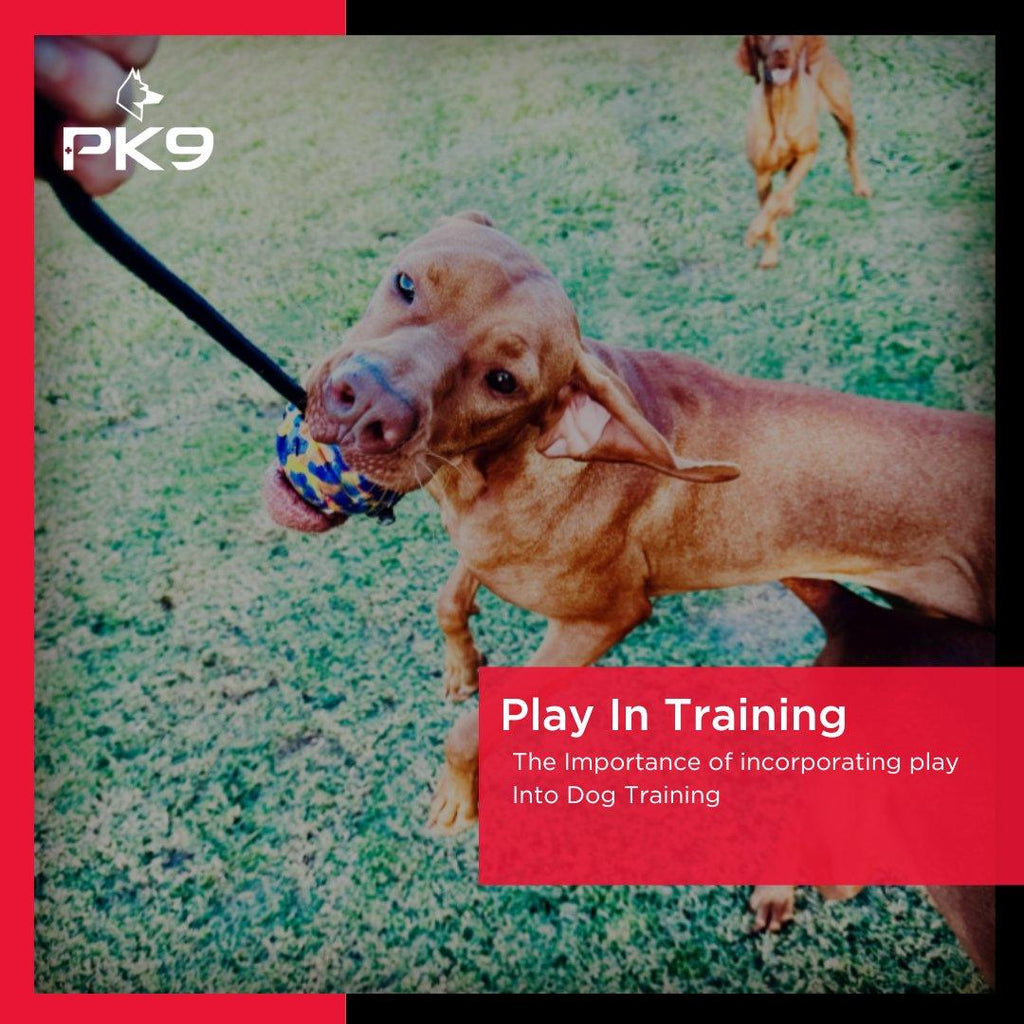
Breed traits often shape Dog breed play motivation because dogs were developed for different jobs. Their historical roles created natural behaviors that appear during play.
A working dog may seek challenges, while a companion breed may value social interaction more than intense physical activity.
- ✦ Retrieving breeds
Dogs such as Labradors often enjoy fetch because carrying and returning objects matches their natural tendencies.
- ✦ Herding breeds
Breeds such as Border Collies often enjoy movement games, training tasks, and activities that require focus.
- ✦ Terrier breeds
Many terriers enjoy chasing, digging games, and toys that allow them to use their hunting instincts.
Breed Does Not Decide Everything
Breed patterns can provide clues, but they do not predict every dog’s personality. Early experiences, age, health, and environment also affect play behavior.
A senior Labrador may prefer calm puzzle games, while a young mixed-breed dog may love high-energy activities.
Common Types of Dog Play Motivation
Dogs can be motivated by different forms of play. Finding the right category helps owners create better exercise and training routines.
A dog that does not enjoy one game may still be highly playful. The activity simply needs to match the dog’s preferred reward.

- ✦ Chase motivation
Some dogs become excited by movement, running, and games where they follow a moving object.
- ✦ Tug motivation
Many dogs enjoy tug because it creates interaction and allows them to use natural grabbing behaviors.
- ✦ Problem-solving motivation
Some dogs prefer puzzle toys and games that require thinking before receiving a reward.
- ✦ Social motivation
Many dogs value play because it creates connection with their human family or other dogs.
Using Play Motivation for Better Dog Training
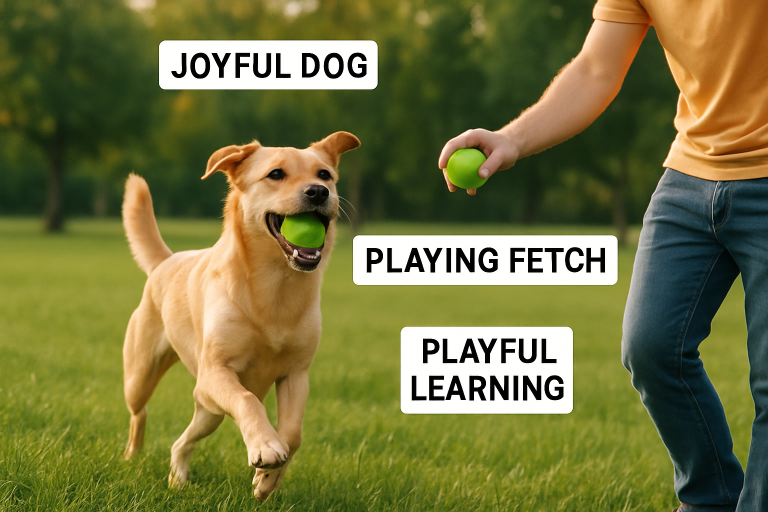
Play can become a powerful training tool when owners understand Dog breed play motivation. A favorite toy or game can act as a reward for good behavior.
Professional trainers often use play because it creates excitement and engagement. Dogs that enjoy training are more likely to repeat desired behaviors.
- ✦ Find the reward
Test different toys, games, and activities to discover what makes your dog excited.
- ✦ Keep sessions short
Short and fun training sessions help maintain focus and prevent boredom.
- ✦ End while your dog is engaged
Stopping a game before interest disappears can keep future sessions exciting.
Example of Play-Based Training
A German Shepherd that loves tug may practice obedience commands before earning a short tug session. The game becomes a meaningful reward.
A scent-focused dog may enjoy searching games after completing a simple behavior. The reward matches the dog’s natural interest.
How to Discover Your Dog’s Play Motivation
Finding your dog’s preferred play style requires observation. Watch what activities create excitement, focus, and repeated interest.
Do not judge a dog by one failed toy choice. A dog may ignore a rubber ball but become highly motivated by a rope toy or scent game.

- ✦ Observe body language
A motivated dog usually shows relaxed excitement, attention, and a desire to continue.
- ✦ Try different toys
Offer different textures, sizes, and movement styles to find preferences.
- ✦ Match energy levels
Choose activities that fit your dog’s age, health, and daily routine.
