
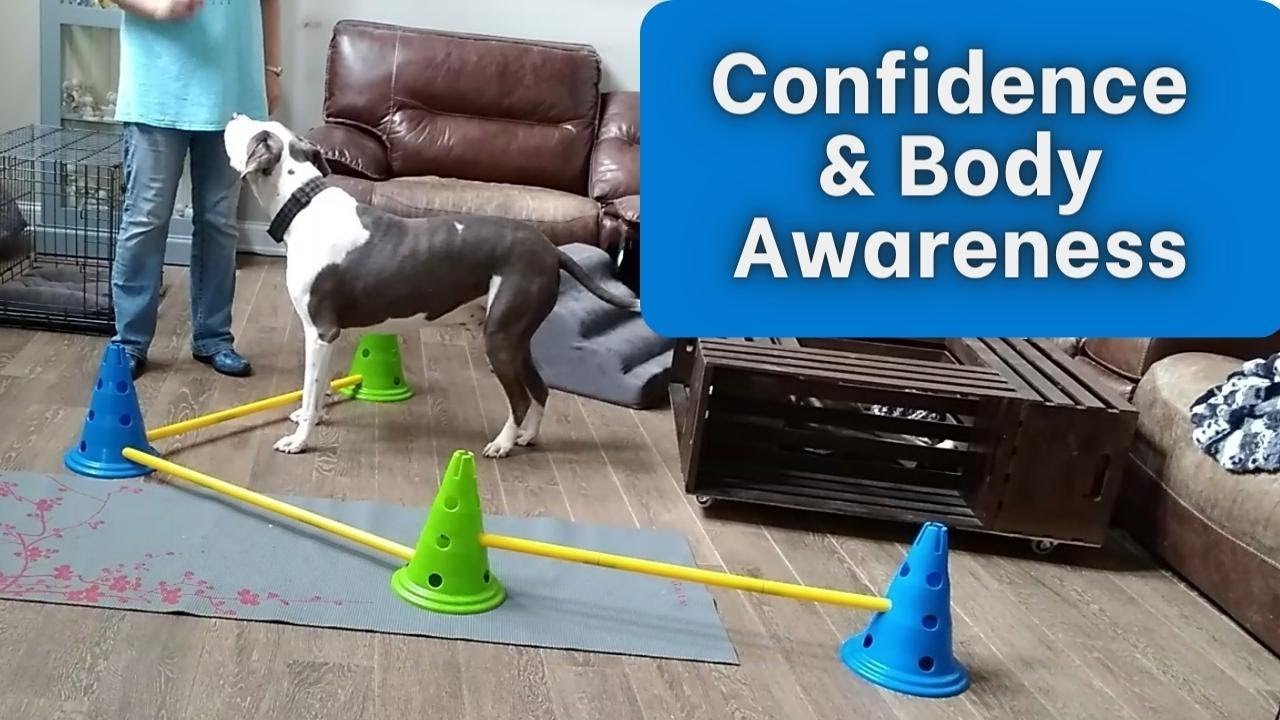
A confident dog is not a dog that never feels nervous. Confidence means a dog can handle new experiences and recover after stress. Through years of working with dogs, trainers have learned that small, positive steps often create the biggest changes.
Many dogs in the United States struggle with fear of strangers, loud sounds, busy streets, or unfamiliar environments. Dog confidence building gives these dogs a clear path to success by creating trust and rewarding brave choices.

What Is Dog Confidence Building and Why Does It Matter?
Dog confidence building is the process of helping a dog feel more comfortable, relaxed, and willing to explore the world. It focuses on teaching dogs that new experiences do not always mean danger.
A confident dog can make better choices during stressful moments. Instead of freezing, hiding, or reacting strongly, the dog learns to look for guidance and handle challenges calmly.
- ✦ Better emotional balance
Confident dogs often recover faster after surprising events because they trust their environment and their owners.
- ✦ Stronger human-dog bond
Training sessions based on trust help dogs feel understood and supported.
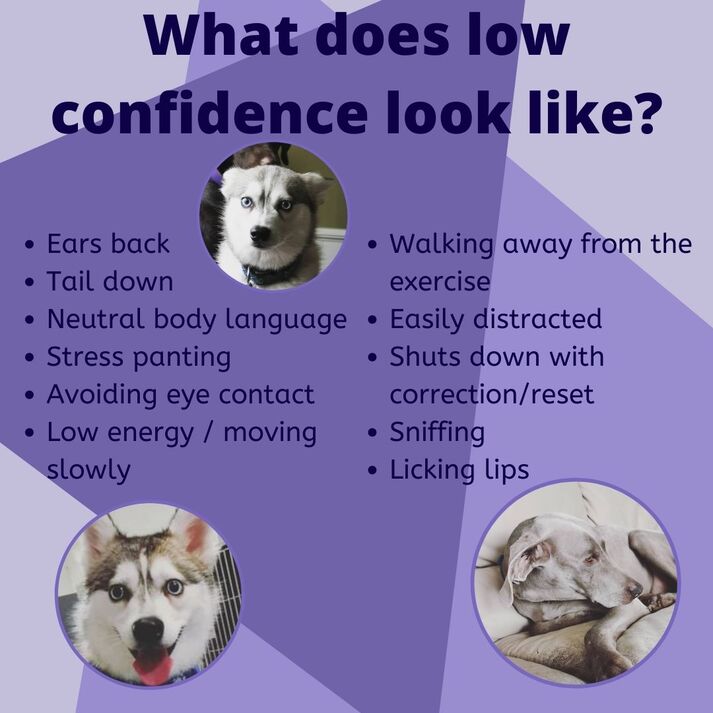
Signs Your Dog May Need Confidence Training
A dog with low confidence may avoid eye contact, hide, bark from fear, hesitate during walks, or become uncomfortable around new situations.
These behaviors do not mean a dog is stubborn. They often show that the dog needs support, patience, and carefully planned exposure.
- ✦ Fear responses
Shaking, backing away, or avoiding new things can show that a dog feels unsure.
- ✦ Low curiosity
A confident dog usually explores, sniffs, and interacts with the environment.
Common Reasons Dogs Lose Confidence
Dogs can lose confidence for many reasons. Some dogs have limited social experiences as puppies, while others develop fears after stressful events.
Understanding the cause is an important part of dog confidence building because every dog needs a different approach.
- ✦ Limited early experiences
Dogs that miss gentle exposure to people, sounds, and places may feel unsure later in life.
- ✦ Negative experiences
A frightening event can create fear around similar situations.
- ✦ Sudden life changes
Moving homes, adoption, or changes in routine can affect a dog’s comfort level.
Understanding Fear Versus Lack of Training
Fearful behavior is different from poor manners. A scared dog is trying to protect itself, not trying to misbehave.
Good dog confidence building starts by addressing emotions before expecting perfect behavior.
Effective Dog Confidence Building Techniques
The best dog confidence building methods use rewards, patience, and controlled challenges. The goal is not to force a dog into scary situations but to help the dog succeed.
Short training sessions work well because dogs learn better when they feel calm and focused.

- ✦ Use positive reinforcement
Reward brave actions with treats, praise, or play to create positive connections.
- ✦ Create small challenges
Introduce new experiences slowly so the dog can build success step by step.
- ✦ Allow choice
Giving dogs time to investigate helps them develop confidence naturally.
Confidence Games for Dogs
Simple games like finding treats, exploring safe objects, and learning new tricks can improve problem-solving skills.
Mental stimulation helps dogs feel capable and improves their trust in their own decisions.
- ✦ Sniffing games
Nose work encourages calm exploration and builds independence.
- ✦ Obstacle games
Safe obstacles teach dogs that new surfaces and movements can be fun.
How to Build Confidence in a Fearful Dog
Helping a fearful dog requires time and consistency. Rushing the process can increase stress and slow progress.
Successful dog confidence building focuses on changing how a dog feels about a situation, not only changing the visible behavior.

- ✦ Start below the fear limit
Work at a distance where your dog notices the trigger but can still stay calm.
- ✦ Reward calm behavior
Praise relaxed body language and voluntary interaction.
- ✦ Keep routines predictable
A stable daily routine helps nervous dogs feel secure.
Building Trust Through Daily Activities
Daily walks, gentle play, and simple training moments can become confidence lessons. Dogs learn from repeated experiences.
Owners who stay calm and supportive become a source of safety for their dogs.
Mistakes to Avoid During Dog Confidence Building
Some common training mistakes can make a nervous dog feel more uncertain. Good intentions are not always enough without understanding canine emotions.
Avoiding these mistakes helps create a safer learning environment.
- ✦ Forcing interactions
Pushing a dog toward people, animals, or objects can increase fear.
- ✦ Using harsh corrections
Punishment may damage trust and make confidence problems worse.
- ✦ Expecting fast results
Every dog learns at a different pace, so progress should be measured in small improvements.
When Professional Help May Be Useful
Some dogs have deep fears that require help from a qualified trainer or veterinary behavior professional.
Professional guidance can create a safe plan for dogs with severe anxiety or strong reactions.
Creating a Long-Term Confidence Plan for Your Dog
Dog confidence building is not a one-time activity. It is a lifestyle based on trust, enrichment, and positive experiences.
Owners can support confidence by adding small training moments throughout daily life.

- ✦ Track progress
Write down improvements and challenges to understand your dog’s growth.
- ✦ Celebrate small wins
A calm reaction to a new sound or person is meaningful progress.
