
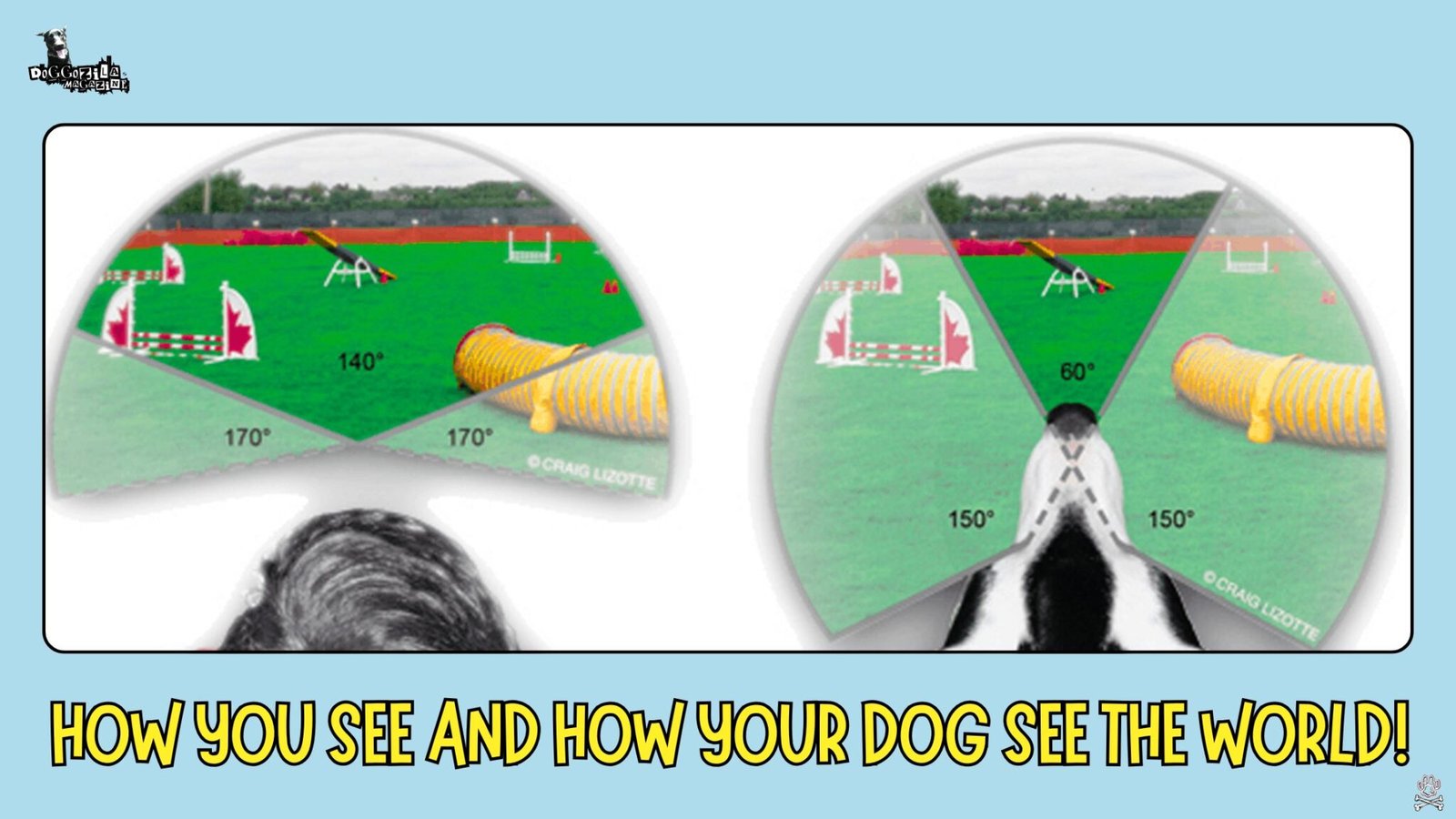
Dogs use binocular vision, movement cues, and brain processing to judge distance and space.
Dog depth perception is the ability of a dog to understand how far away objects are and how they relate to each other in space. This skill helps dogs jump onto furniture, catch toys, walk on stairs, and move safely through their environment.
From a U.S. pet owner’s view, depth perception matters in everyday moments like backyard play, neighborhood walks, and trips to the dog park. A dog that struggles with distance judgment may hesitate before jumping or seem unsure in new places.
While dogs do not see the world exactly like humans, their visual system works with their strong sense of smell, hearing, and body awareness. Together, these senses help dogs create a complete picture of their surroundings.
How dog depth perception works
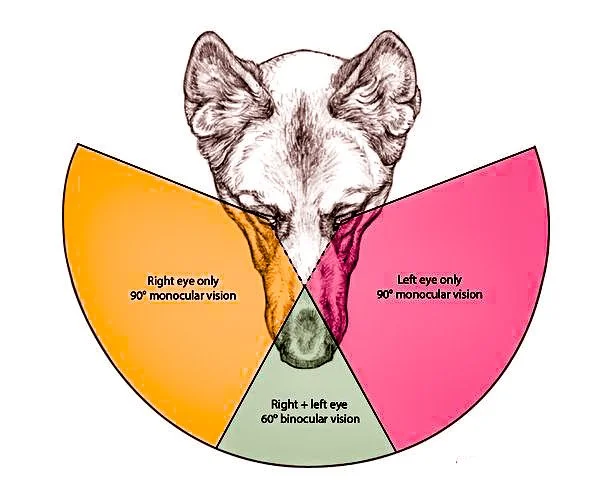
Dog depth perception depends on the way the eyes and brain work together. Each eye captures a slightly different view of the world. The brain combines these views to estimate distance and shape.
Dogs also use other clues to understand depth. These include object size, shadows, motion, and changes in perspective. A dog does not rely on one single visual signal.
When a dog runs after a ball, its brain quickly calculates where the ball is and where it will move. This process happens very fast and allows accurate chasing and catching.

- ✦ Binocular vision
Both eyes work together to create overlapping visual information that helps dogs estimate distance.
- ✦ Motion detection
Moving objects provide strong depth clues that help dogs understand speed and location.
- ✦ Brain interpretation
The brain turns visual signals into information about space, shape, and position.
The role of eye placement
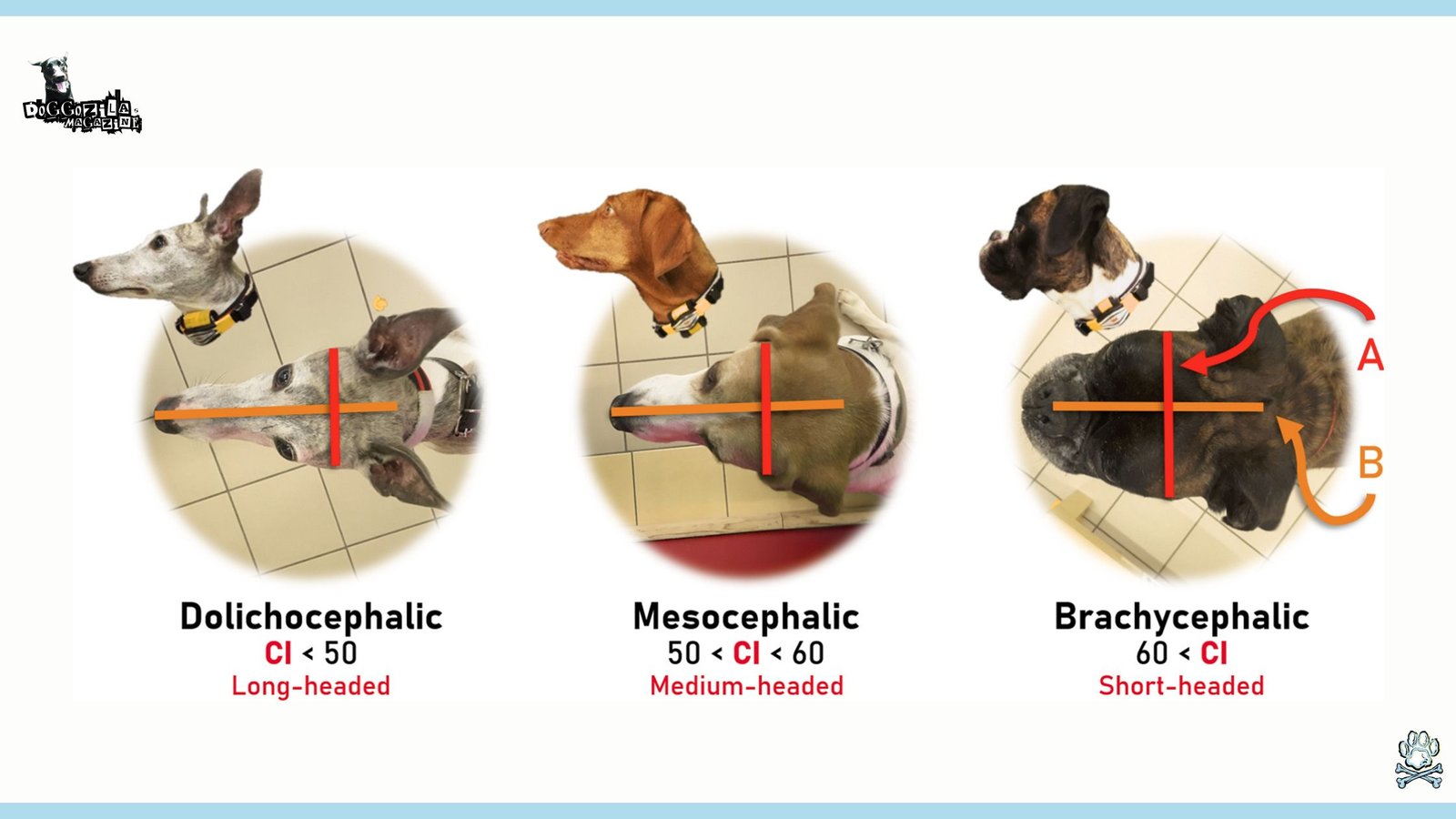
A dog’s eye position affects its field of vision and depth perception. Breeds with forward-facing eyes often have stronger overlap between their two eyes, while breeds with wider head shapes may have a broader view but less binocular overlap.
- ✦ Breed differences
Head shape and eye position can influence how each dog experiences depth.
Do dogs see depth like humans?
Dogs and humans share some basic depth perception abilities, but their vision systems developed for different needs. Humans depend heavily on detailed color vision and close visual focus, while dogs evolved to detect movement and track objects.
Dog depth perception is often effective for hunting behaviors, play, and navigation. However, dogs may have less visual detail than humans when looking at objects far away.
A dog may not notice small details on a distant object, but it can quickly detect movement and changes in position.

- ✦ Different priorities
Dogs are designed for detecting movement and action rather than reading fine details.
- ✦ Strong movement awareness
Movement gives dogs valuable information about distance and direction.
Why depth perception is important for dogs
Dog depth perception supports many daily behaviors. A dog uses depth information when climbing stairs, jumping over objects, playing fetch, and moving through unfamiliar spaces.
Good depth judgment helps dogs avoid mistakes and injuries. Puppies often improve their distance skills as they grow and gain more experience with their environment.
Training also helps dogs build confidence. Repeated experiences teach them how to estimate distances and move safely.

- ✦ Jumping and climbing
Dogs use depth cues to decide how far they need to jump or step.
- ✦ Playing fetch
Depth perception helps dogs predict where a moving toy will land.
- ✦ Safe navigation
Distance awareness helps dogs move around obstacles and changing surfaces.
Signs a dog may have depth perception problems
Changes in dog depth perception can happen because of eye disease, injury, aging, or sudden vision loss. Some dogs adjust well, while others need extra support.
Owners may notice small behavior changes before they understand the cause. A dog that suddenly becomes careful around stairs or furniture may be experiencing a vision issue.
A veterinary eye exam can help identify whether the problem comes from the eyes, brain, or another health condition.

- ✦ Hesitating before jumps
A dog may pause because it cannot judge the landing distance confidently.
- ✦ Bumping into objects
Poor distance awareness may cause a dog to misjudge nearby objects.
- ✦ Fear in familiar areas
Vision changes can make normal spaces feel unfamiliar.
How owners can help
Keep furniture layouts consistent and use clear paths around the home. Avoid sudden changes that can confuse a dog with reduced vision.
- ✦ Create safe spaces
Remove hazards and keep important areas easy to navigate.
How training improves a dog’s spatial confidence
Training can help dogs become more confident with distance and movement. Simple exercises allow dogs to practice judging space in a controlled way.
Activities like walking over different surfaces, playing gentle fetch, and learning obstacle skills encourage better body awareness.
A trainer should always focus on confidence rather than forcing a dog into situations that create fear.
- ✦ Controlled practice
Safe exercises allow dogs to learn how their body moves through space.
- ✦ Positive reinforcement
Rewards help dogs build confidence during new visual challenges.
