
Dog emotional regulation is a key part of healthy behavior. A dog that can handle excitement, new places, sounds, and daily challenges is more likely to make better choices. This skill does not appear overnight. Dogs build it through learning, safe experiences, and support from their humans.
In my experience studying dog behavior, many behavior problems are linked to emotional overload rather than simple disobedience. A dog barking at visitors or pulling on a leash may be struggling to manage feelings. The goal is not to remove emotions but to help dogs handle them.
What is Dog emotional regulation?
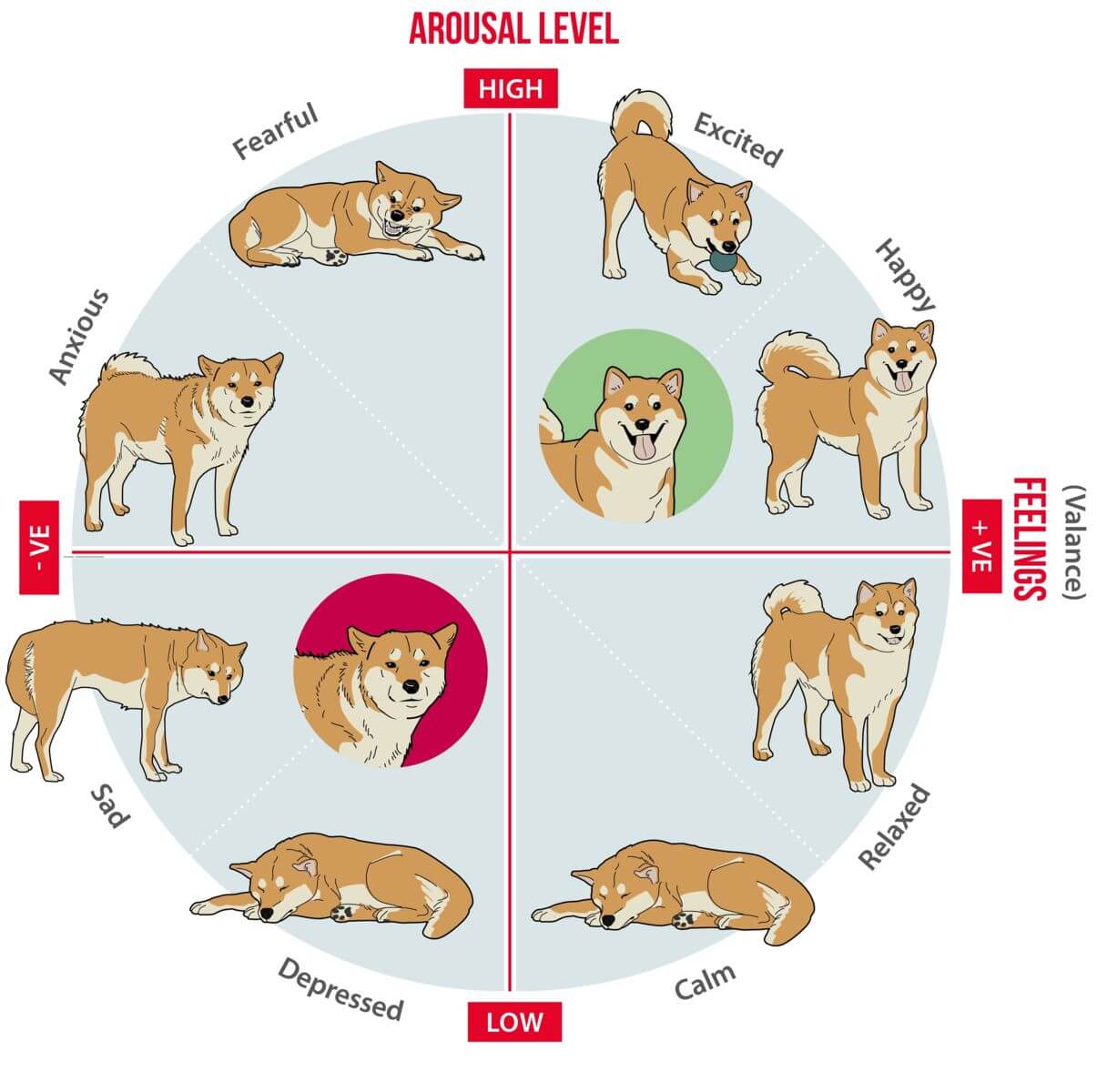
Dog emotional regulation means a dog’s ability to control emotional reactions and return to a calm state. Dogs still feel fear, joy, excitement, frustration, and stress. Regulation helps them respond instead of reacting immediately.
A well-regulated dog can pause, process a situation, and choose a safer behavior. This does not mean the dog never gets excited. It means the dog can recover after becoming excited.
- ✦ Emotional awareness
Dogs learn to notice changes around them and adjust their responses.
- ✦ Recovery ability
A regulated dog can calm down after a stressful event.
Why emotional control matters
Dogs with better emotional regulation often handle daily life more easily. They may adapt better to guests, walks, grooming, and changes in routine.
How dogs experience and manage emotions
Dogs process emotions through their brain, nervous system, past experiences, and environment. A dog’s response depends on genetics, social learning, health, and training history.
Reading dog body language is important because emotions often appear before behavior changes. Small signals can show that a dog feels uncomfortable or overwhelmed.

- ✦ Calm signals
Relaxed muscles, soft eyes, normal breathing, and loose movement often show comfort.
- ✦ Stress signals
Lip licking, pacing, avoidance, freezing, or excessive barking may show emotional pressure.
Factors that affect Dog emotional regulation
Many factors shape how a dog handles emotions. Age, breed traits, early experiences, health, sleep, and daily routine can all influence emotional balance.
A puppy learning calm behavior may need different support than an adult dog with years of stress habits. Every dog has a different emotional starting point.

- ✦ Early social experiences
Positive experiences during development can improve confidence and coping skills.
- ✦ Daily environment
A predictable home routine can reduce uncertainty and stress.
The role of stress and overstimulation
Too much noise, activity, or pressure can push a dog beyond its ability to cope. Learning when to give a dog space is an important part of emotional support.
Training methods that improve Dog emotional regulation
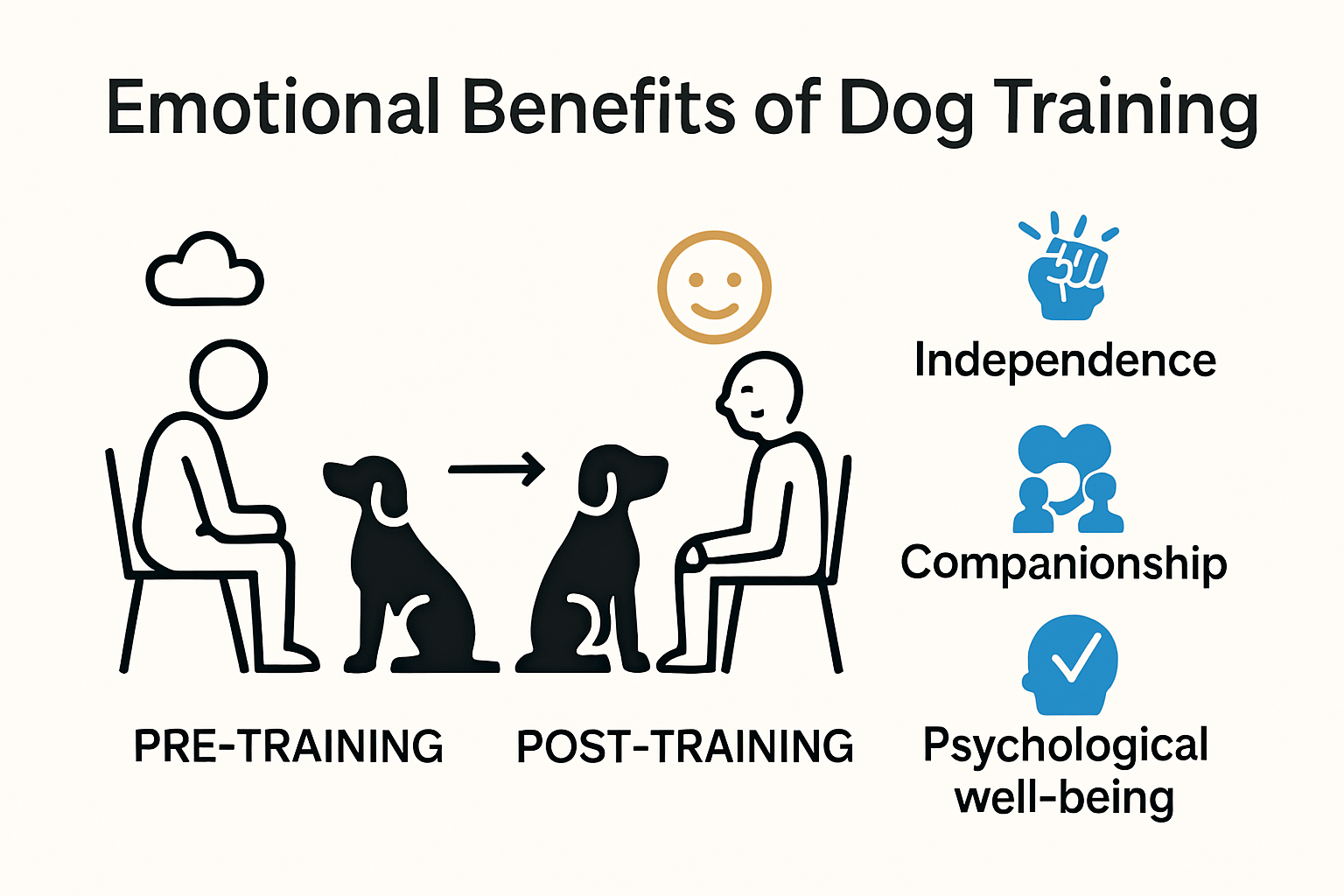
Training can build emotional skills when it focuses on patience and rewards. Dogs learn best when they feel safe and understand what behavior earns positive results.
A trainer should teach calm choices, not just stop unwanted actions. Building self-control helps dogs handle real-life situations.
- ✦ Impulse control exercises
Simple skills like waiting, staying, and relaxing on a mat teach dogs to pause before reacting.
- ✦ Positive reinforcement
Rewarding calm behavior helps dogs repeat those choices.
- ✦ Gradual exposure
Slow introductions help dogs adjust without becoming overwhelmed.
Daily habits that support emotional balance
Small daily habits can improve Dog emotional regulation over time. Dogs need mental exercise, physical activity, rest, and clear communication.
Many owners focus only on physical exercise. However, calm activities like sniffing, puzzle games, and relaxation practice also help dogs manage emotions.

- ✦ Create predictable routines
Regular meal times, walks, and rest periods help dogs feel secure.
- ✦ Provide enrichment
Brain games and scent activities support healthy mental engagement.
- ✦ Reward calm moments
Notice and reward your dog when they relax naturally.
