
A dog’s world sounds very different from ours. In my experience studying pet behavior and animal communication, hearing is one of the most important ways dogs understand their surroundings. A simple door click, a distant car engine, or a quiet whistle can give a dog information long before a person notices it.
The dog hearing range allows canines to detect higher-pitched sounds that humans cannot hear. This ability helps dogs communicate, hunt, stay alert, and respond to training cues. For families in the United States, this explains why a dog may react to a sound from another room or notice a delivery driver before anyone rings the bell.
Learning about dog hearing range also helps owners protect their pets. Loud music, fireworks, construction noise, and other strong sounds can affect sensitive canine ears. Knowing what dogs hear can lead to better care and a stronger bond.
What Is the Dog Hearing Range?
The dog hearing range describes the frequencies and sounds a dog can detect with its ears. Frequency is measured in Hertz (Hz), which shows how many sound waves happen each second.
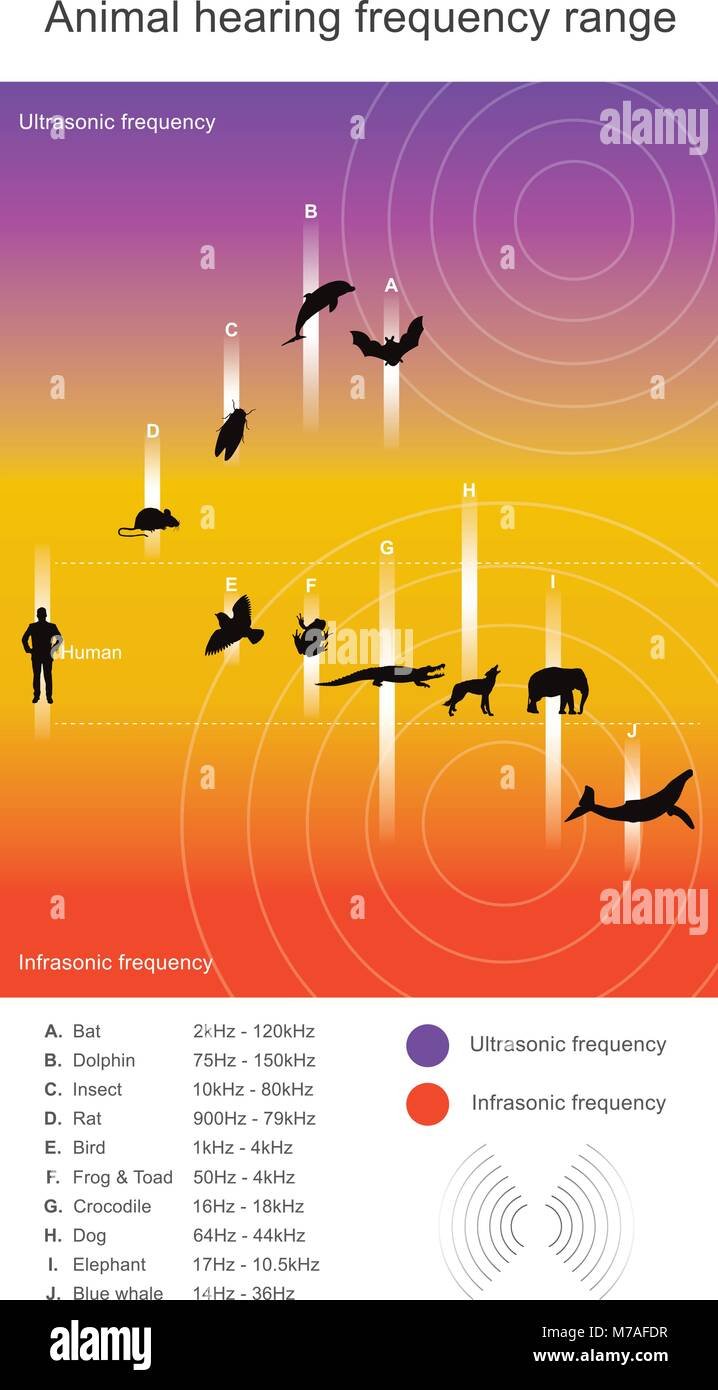
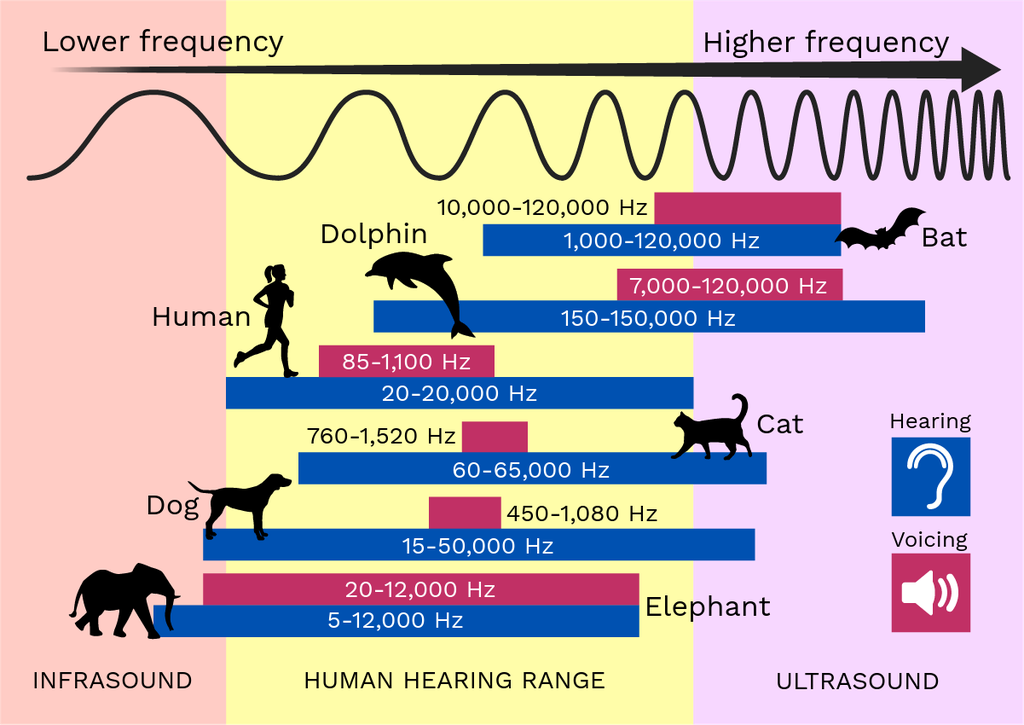
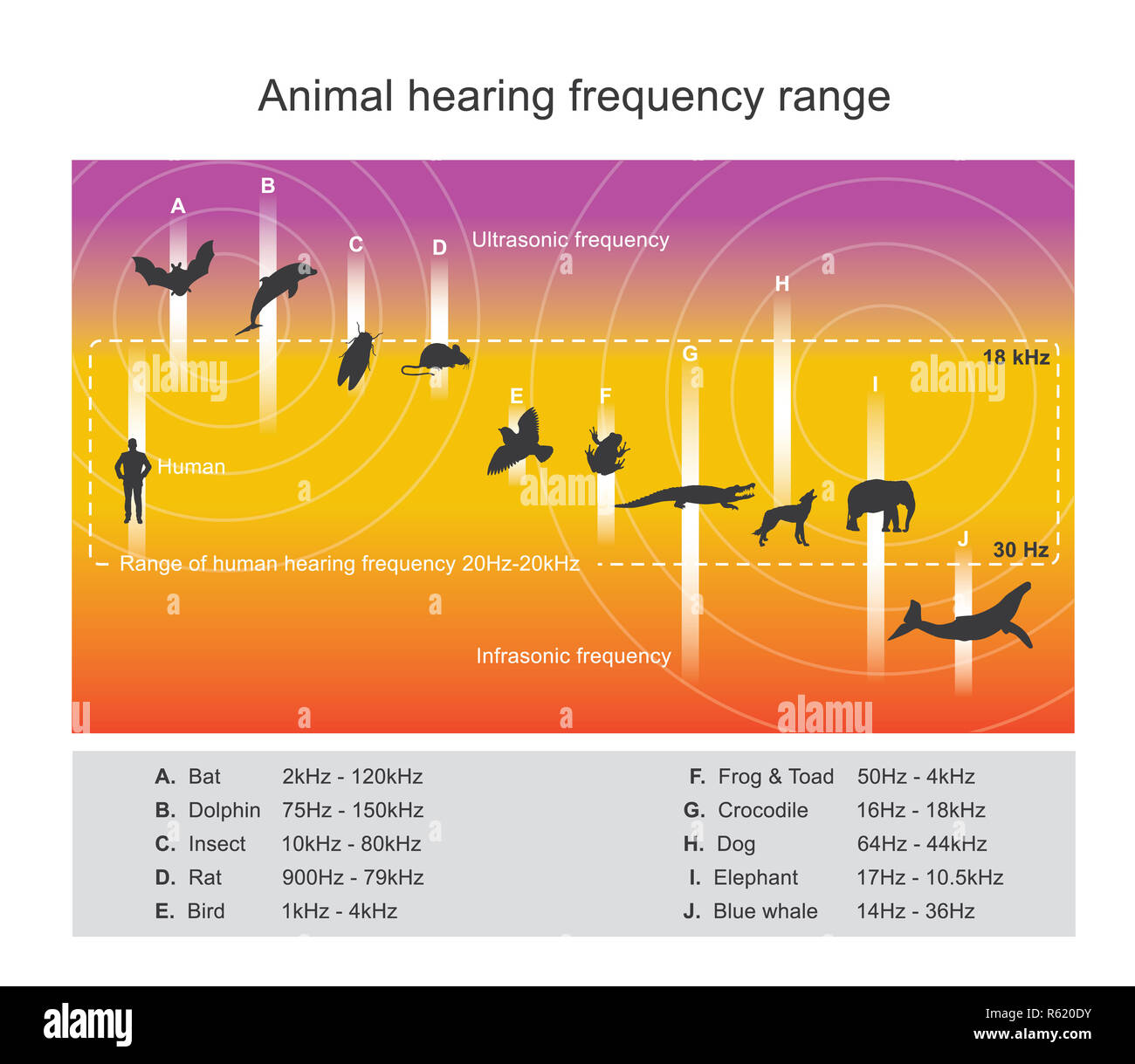
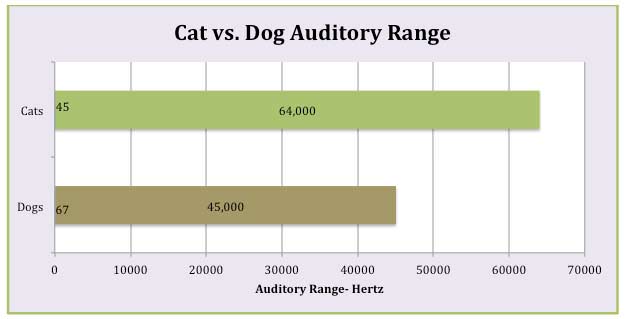
Most dogs can hear lower sounds around 67 Hz and very high sounds up to about 45,000 Hz. Humans usually hear between 20 Hz and 20,000 Hz, which means dogs are especially skilled at hearing high-frequency sounds.
This wider hearing range is a natural adaptation. Wild ancestors of dogs depended on sharp hearing to locate prey, communicate, and notice danger.
- ✦ Low-frequency hearing
Dogs can hear some deep sounds, including vibrations from larger objects and distant noises.
- ✦ High-frequency hearing
Dogs are excellent at detecting high-pitched sounds like whistles, small animal movements, and electronic noises.
How Dog Hearing Compares to Human Hearing
Humans rely heavily on vision, but dogs use hearing as a major source of information. A dog may notice tiny sound changes that people completely miss.
This difference explains why some training tools use high-frequency whistles. The sound can be clear to a dog while remaining quiet or less noticeable to humans.
- ✦ Human hearing range
Most adults hear roughly 20 Hz to 20 kHz, with higher frequencies becoming harder to detect with age.
- ✦ Dog hearing range
Dogs can detect many sounds above the human hearing limit, especially between 20 kHz and 45 kHz.
How Far Can Dogs Hear Sounds?
The distance a dog can hear depends on the sound itself, weather conditions, surroundings, and the dog’s health. There is no single distance that applies to every dog.
Dogs can often hear sounds from much farther away than humans because their ears are designed to capture and focus sound waves. A dog may notice footsteps, voices, or vehicles before a person does.
In open areas, some dogs can detect quiet sounds hundreds of feet away. Walls, traffic, wind, and other noise can reduce this ability.

- ✦ Open spaces
Fields, parks, and quiet areas allow sound to travel farther and make detection easier.
- ✦ Indoor environments
Furniture, walls, and household noise can block or change sounds.
Why Dogs Notice Sounds Before People
Dogs have movable ears that help collect sound. Many breeds can rotate their ears toward a noise source, improving their ability to locate sounds.
Their brains also process sound direction quickly. This allows dogs to decide where a noise comes from and whether it matters.
- ✦ Ear movement
Moving ears help dogs collect and direct sound waves into the ear canal.
- ✦ Sound location
Dogs can compare sounds between both ears to identify direction.
Why Dogs Hear High-Frequency Sounds Better
One of the most impressive parts of the dog hearing range is the ability to detect high-frequency sounds. These sounds include pitches that humans cannot normally hear.
High-frequency hearing helped early canines detect small prey and communicate over short distances. Today, this ability helps household dogs respond to training and environmental changes.
Many dog owners notice this when their pet reacts to a quiet treat bag opening or a soft sound from another room.

- ✦ Ultrasonic sounds
Ultrasonic sounds are frequencies above human hearing. Some dogs can detect parts of this range.
- ✦ Training whistles
High-frequency whistles can provide clear training signals for dogs.
Examples of Sounds Dogs May Hear
Dogs can hear many everyday sounds that humans may ignore. Their sensitive ears help them stay aware of changes around them.
- ✦ Electronic sounds
Some devices produce high sounds that may be noticeable to dogs.
- ✦ Small animal movement
Dogs may detect tiny movements from rodents or other animals.
Factors That Affect a Dog’s Hearing Ability
Not every dog has the same hearing ability. Breed, age, ear structure, and health can change the dog hearing range.
A young dog with healthy ears may detect sounds clearly, while an older dog may lose sensitivity over time. Regular veterinary checks help identify hearing problems early.
- ✦ Breed differences
Breeds with upright ears often collect sounds differently from breeds with floppy ears.
- ✦ Age
Senior dogs may experience gradual hearing loss, especially at higher frequencies.
- ✦ Ear health
Ear infections, injuries, and wax buildup can reduce hearing quality.
Breeds Known for Strong Hearing
Many working breeds have excellent hearing because they were developed for tasks that required awareness and quick responses.
- ✦ German Shepherd
Often used in police and service work because of strong senses and trainability.
- ✦ Border Collie
Known for alert behavior and fast responses to sound cues.
How Dogs Use Their Hearing in Daily Life
Dogs use hearing for communication, safety, and learning. Sound helps them understand people, animals, and changes in their environment.
For American pet owners, understanding this sense can improve training routines. Speaking clearly, avoiding unnecessary loud noise, and using consistent cues can make communication easier.
- ✦ Communication
Dogs use sounds like barking, whining, and growling to communicate with people and animals.
- ✦ Training
Dogs connect spoken commands and sound signals with specific behaviors.
- ✦ Safety
Sharp hearing helps dogs notice possible dangers quickly.
Protecting Your Dog’s Hearing
Loud sounds can stress or damage a dog’s sensitive ears. Fireworks, thunderstorms, and loud machinery are common concerns.
Owners can help by creating quiet spaces and watching for signs of discomfort.
- ✦ Warning signs
Head shaking, ignoring sounds, or unusual fear may suggest hearing issues.
