
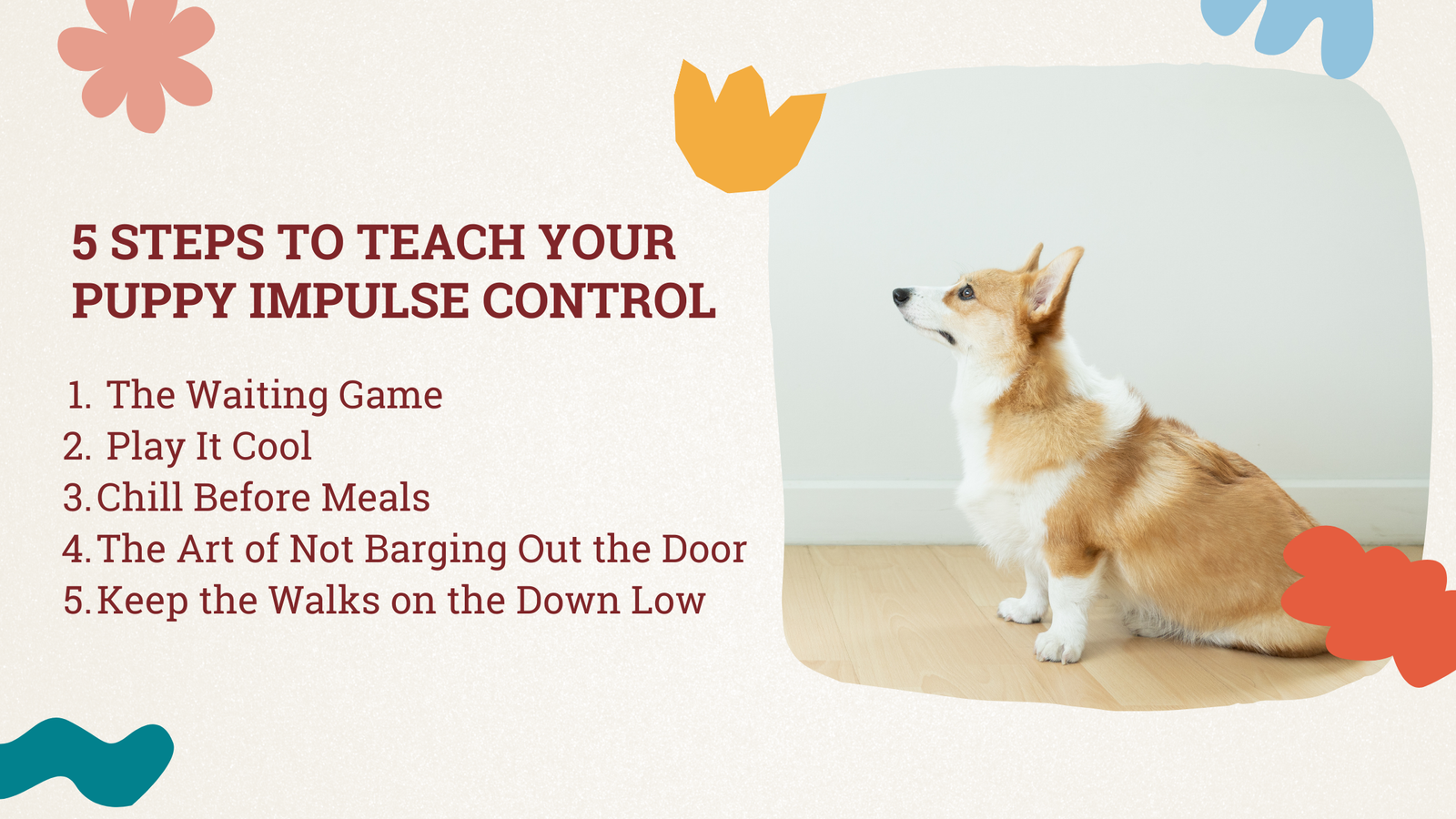
Many dog owners in the United States struggle with common behaviors like jumping on guests, rushing through doors, barking at distractions, or grabbing food from counters. These actions are often linked to a lack of impulse control rather than a lack of intelligence or obedience.
Through years of working with dogs, trainers have learned that self-control is a skill dogs can build with practice. Good dog impulse control training does not focus on punishment. It teaches dogs how to pause, focus, and choose the right behavior even when something exciting happens.

What Is Dog Impulse Control Training?
Dog impulse control training is the process of teaching a dog to control natural urges and wait before acting. A dog with good impulse control can stay calm around food, toys, people, and other animals.
Dogs are naturally driven by instincts. They may chase moving objects, bark at sounds, jump when excited, or run toward interesting smells. Training helps them create a small pause between feeling an urge and taking action.
- ✦ Impulse control meaning
Impulse control means a dog can stop, think, and respond instead of immediately following every desire.
- ✦ Why it matters
Better self-control makes daily life safer and easier for both dogs and their owners.
Impulse Control vs Obedience Training
Obedience training teaches commands like sit, stay, and come. Impulse control training goes deeper because it teaches emotional regulation.
A dog may know the sit command but still jump when visitors arrive. Impulse control helps the dog stay calm even during exciting moments.
- ✦ Obedience
Focuses on following learned commands.
- ✦ Impulse control
Focuses on controlling reactions and managing excitement.
Why Dogs Struggle With Self-Control
Dogs do not naturally understand human rules. A puppy that jumps, bites during play, or rushes toward distractions is often acting on instinct.
Age, breed traits, energy levels, past experiences, and training history can all affect impulse control. Young puppies especially need time and repetition to develop patience.

- ✦ High excitement
Dogs may lose focus when they see food, toys, people, or other animals.
- ✦ Limited practice
Self-control improves through regular training, not through one-time lessons.
- ✦ Natural instincts
Chasing, grabbing, and reacting quickly are normal dog behaviors that need guidance.
Signs Your Dog Needs Impulse Control Training
A dog may need impulse control work if daily situations feel difficult to manage. These behaviors often appear during exciting moments.
Owners should look for patterns instead of blaming the dog. Understanding the reason behind the behavior makes training more effective.
- ✦ Common signs
Jumping, pulling on the leash, barking, rushing doors, stealing food, and ignoring commands during excitement.
The Benefits of Dog Impulse Control Training
Dog impulse control training creates a calmer relationship between dogs and humans. A dog that can wait and focus is easier to handle at home, during walks, and in public places.
Many owners notice improvements in communication because the dog starts looking to them for guidance instead of reacting alone.

- ✦ Safer behavior
Dogs learn to pause before running outside, chasing objects, or approaching unknown situations.
- ✦ Better focus
Training improves attention even when distractions are present.
- ✦ Reduced frustration
Dogs learn healthy ways to manage excitement and stress.
How Training Improves Everyday Life
A dog with stronger impulse control can handle normal American household situations better, such as guests arriving, children playing, or waiting before meals.
Small improvements often create major changes because calm behavior becomes a habit over time.
- ✦ Home manners
Dogs learn to wait politely and avoid unwanted behaviors.
Effective Dog Impulse Control Training Exercises
The best dog impulse control training exercises are simple, repeatable, and rewarding. Dogs learn faster when training feels clear and positive.
Start with easy situations and slowly add distractions. Expecting perfect behavior too quickly can create confusion.

- ✦ Wait for food
Ask your dog to wait before eating. Reward calm waiting instead of rushing.
- ✦ Leave it command
Teach your dog that ignoring an item can lead to better rewards.
- ✦ Door manners
Practice waiting calmly before walking through doors.
- ✦ Place training
Teach your dog to relax in a specific area until released.
The Leave It Exercise
The leave it command is one of the most useful impulse control skills. It teaches dogs that not every interesting object needs an immediate response.
Begin with low-value items and slowly increase difficulty as your dog understands the lesson.
- ✦ Step one
Show the dog an item and reward attention away from it.
- ✦ Step two
Add the verbal cue and practice in different locations.
How to Build a Successful Training Routine
Consistency is the foundation of dog impulse control training. Short daily sessions usually work better than rare long sessions.
A good routine combines mental challenges, physical activity, and rewards for calm choices. Dogs need both exercise and learning opportunities.

- ✦ Train in short sessions
Five to ten minutes of focused practice can be effective.
- ✦ Reward calm behavior
Notice and reward your dog when they choose patience.
- ✦ Increase difficulty slowly
Add distractions only after your dog understands the basic skill.
Using Positive Reinforcement
Positive reinforcement means rewarding behaviors you want to see more often. Treats, praise, toys, and play can all motivate dogs.
This approach helps dogs understand what works instead of only learning what not to do.
- ✦ Timing matters
Give rewards quickly so your dog connects the reward with the correct action.
Common Mistakes During Impulse Control Training
Many owners make training harder by moving too fast or expecting instant results. Dogs need time to understand new habits.
Avoid punishing mistakes harshly. Fear can reduce trust and may make some behaviors worse.

- ✦ Training only when problems happen
Practice skills before difficult situations appear.
- ✦ Ignoring small improvements
Reward progress because small steps create long-term habits.
- ✦ Using unclear signals
Keep commands and expectations consistent.
When to Get Professional Help
Some dogs need support from a qualified trainer, especially if reactions involve fear, aggression, or extreme anxiety.
Professional guidance can help create a safe plan based on the dog’s individual needs.
- ✦ Seek help for serious issues
Professional advice is useful when safety becomes a concern.
