
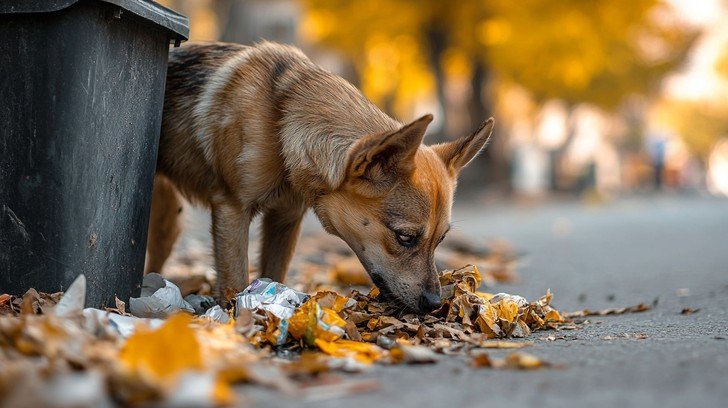
Dog scavenging behavior is one of the most common concerns I see among dog owners. Many dogs search floors, yards, sidewalks, and trash areas for interesting smells or possible food. This habit can be harmless curiosity, but it can also become dangerous when dogs eat spoiled food, plastic, chemicals, or unsafe objects.
From working with dog behavior topics, I have found that scavenging is rarely about a dog being stubborn. Dogs are natural explorers with powerful noses. The goal is not to remove their instincts, but to teach safer choices while creating an environment where good behavior is easier.
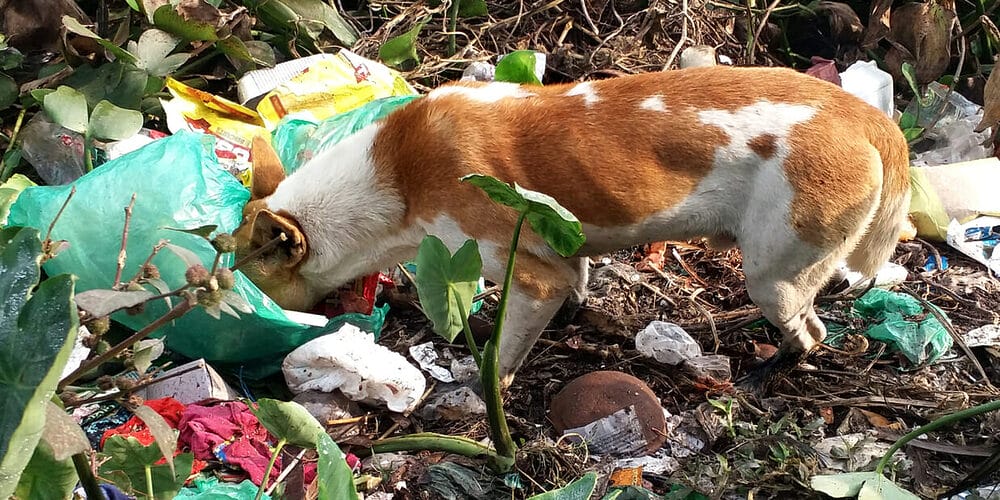
What Is Dog Scavenging Behavior?
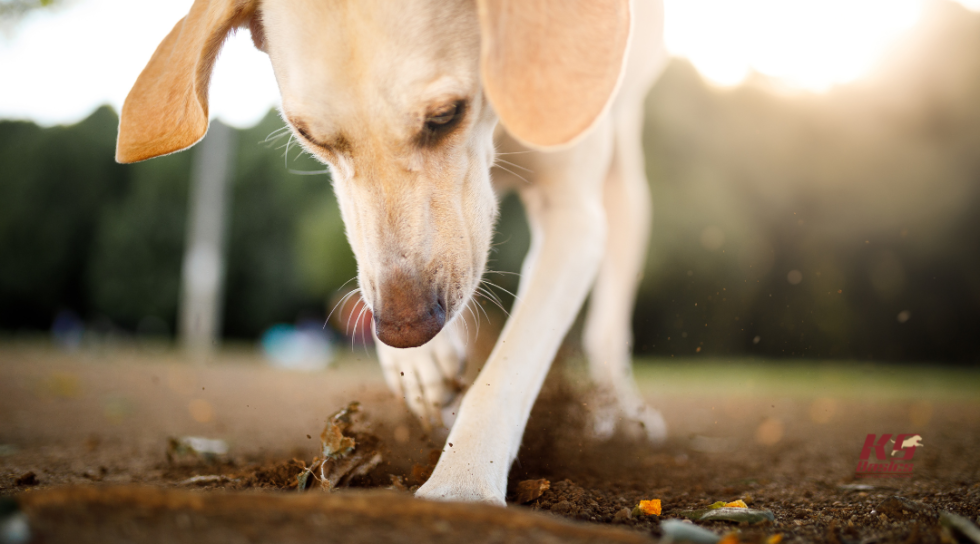
Dog scavenging behavior means a dog searches for and eats food or objects it finds instead of only eating meals provided by its owner. This behavior comes from the survival habits of wild canines that searched for available food sources.
Modern pet dogs do not need to hunt for survival, but their instincts remain. A dog may sniff a sidewalk, inspect a trash can, or grab dropped food because the action feels rewarding.

- ✦ Natural instinct
Dogs are designed to explore smells and locate possible food sources.
- ✦ Learned habit
If a dog finds tasty food while scavenging, the behavior becomes stronger.
Why Dogs Are Drawn to Found Food
A dog’s sense of smell is much stronger than a human’s. Small food traces that people ignore can attract a dog quickly.
The excitement of searching can also provide mental stimulation, which makes scavenging enjoyable for many dogs.
- ✦ Strong scent detection
Dogs notice smells from food, animals, and waste that humans may not detect.
Why Do Dogs Scavenge? Common Causes Behind the Behavior
Understanding the reason behind dog scavenging behavior makes training much easier. Dogs usually do not scavenge to annoy their owners. They respond to instinct, opportunity, and rewards.
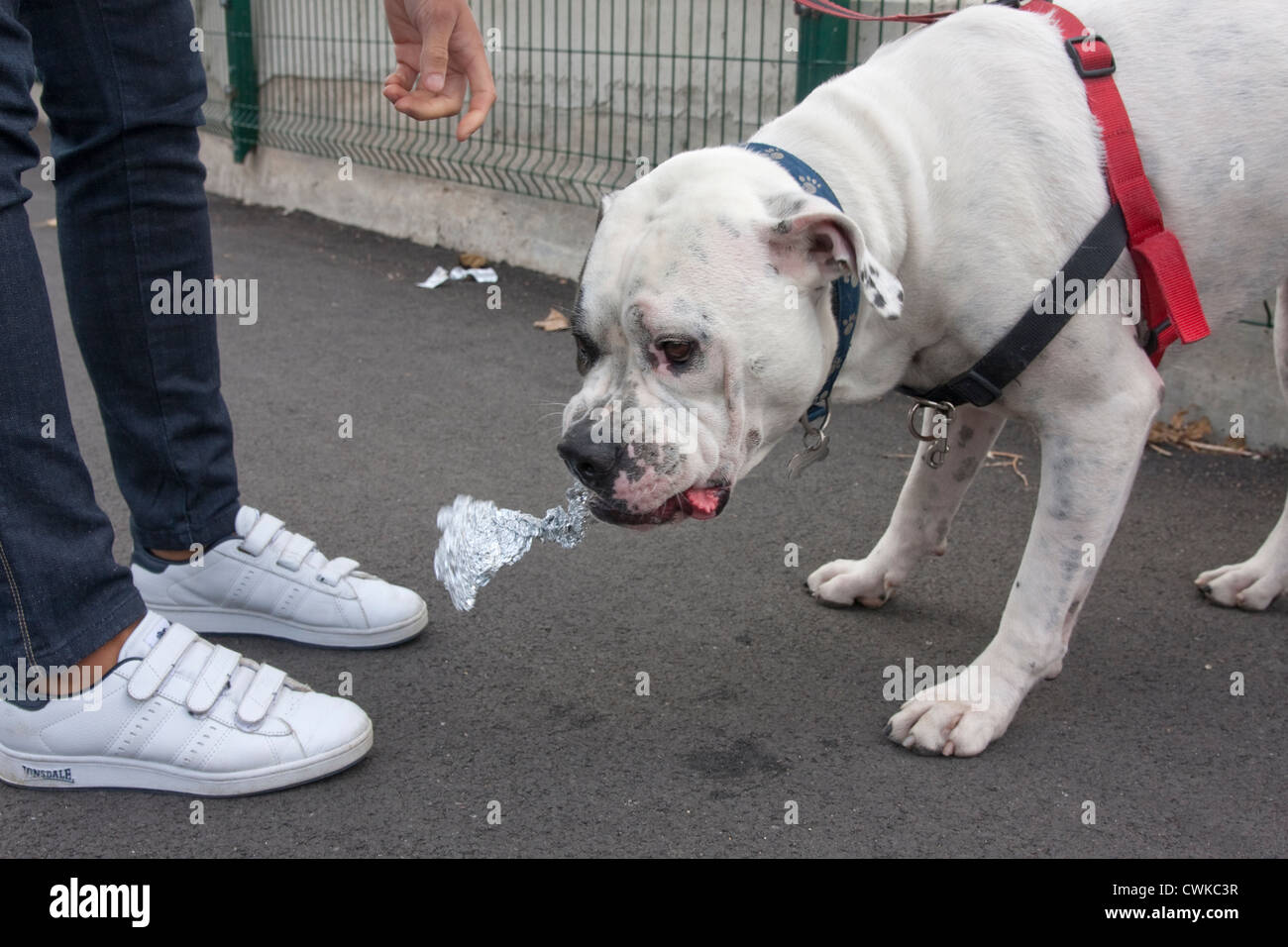
Some dogs scavenge because they are bored, while others simply enjoy exploring. A dog that finds food on walks may repeat the action because it has learned that searching produces rewards.
- ✦ Hunger or food motivation
Dogs with strong food drive may search for extra meals even after eating.
- ✦ Boredom
Dogs without enough activity may create their own games through searching.
- ✦ Curiosity
New smells and objects naturally encourage investigation.
Breed and Individual Differences
Some breeds and individual dogs have stronger food motivation than others. However, any dog can develop scavenging habits when the environment rewards the behavior.
Age, training history, and daily routine often influence how frequently a dog searches for items.
- ✦ Personality matters
Some dogs are naturally more curious and persistent when exploring.
Is Dog Scavenging Behavior Dangerous?
Not every scavenging event causes harm, but eating unknown items can create serious problems. Dogs may consume spoiled food, sharp objects, toxic substances, or items that block digestion.
Pet owners in the United States often deal with scavenging around parks, sidewalks, garbage areas, and outdoor spaces. Quick action and prevention can reduce many risks.

- ✦ Digestive problems
Unsafe food or objects may cause vomiting, diarrhea, or stomach discomfort.
- ✦ Toxic exposure
Some discarded foods and chemicals can be harmful to dogs.
- ✦ Foreign objects
Plastic, bones, or other materials may cause blockages.
When to Contact a Veterinarian
Contact a veterinarian if your dog eats a dangerous object, shows signs of pain, repeatedly vomits, becomes weak, or has trouble passing stool.
Early professional advice can prevent small problems from becoming emergencies.
How to Stop Dog Scavenging Behavior on Walks
Stopping dog scavenging behavior requires patience and consistent training. The goal is to teach your dog that ignoring items on the ground leads to better rewards.
Punishment often creates fear without teaching the correct choice. Reward-based training helps dogs understand what owners want them to do.
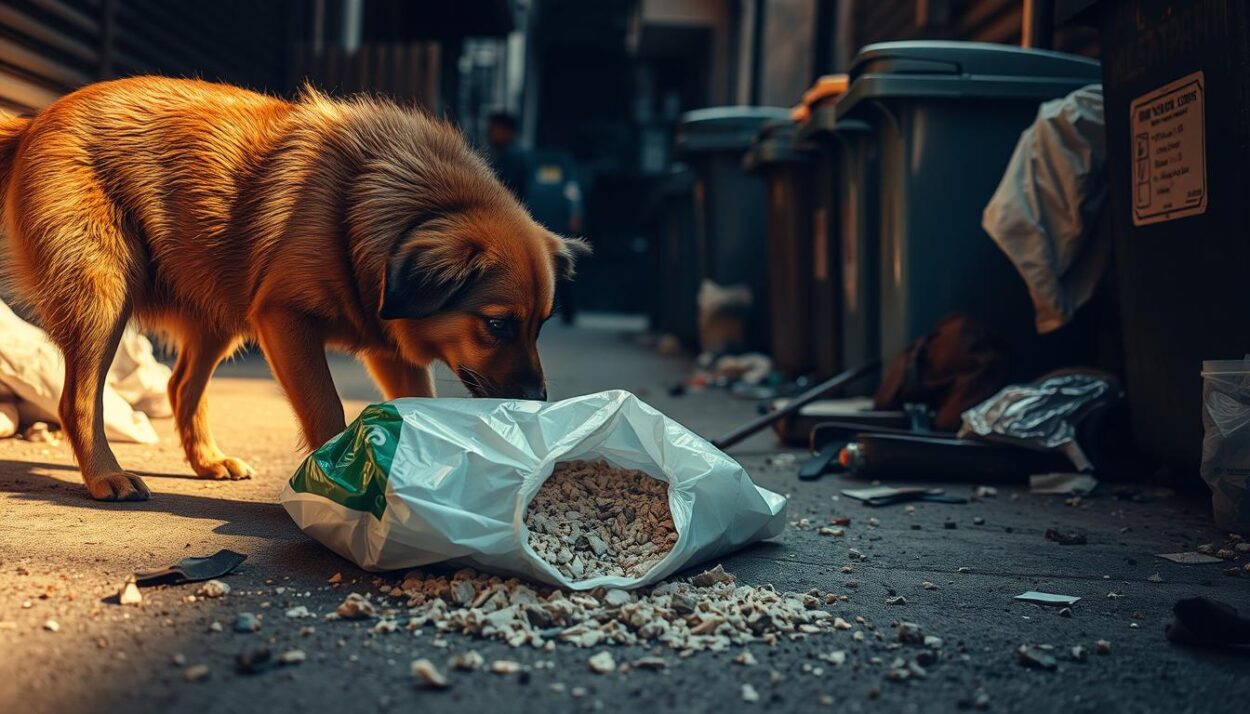
- ✦ Teach leave it
Train your dog to move away from unwanted objects when asked.
- ✦ Reward attention
Give treats or praise when your dog looks at you instead of the ground.
- ✦ Use management tools
A shorter leash or careful walking route can prevent risky choices.
Building Better Walking Habits
Practice in low-distraction areas first. Slowly introduce more challenging environments as your dog improves.
Mental games, sniff walks, and training exercises can satisfy your dog’s need to explore in safer ways.
- ✦ Practice daily
Short training sessions create stronger habits over time.
How to Manage Scavenging at Home
Many cases of dog scavenging behavior happen inside the home. Dogs often search kitchen floors, counters, trash cans, and open bags because these areas contain strong smells.
Simple changes to the home environment can reduce opportunities for unwanted eating. Prevention works best when combined with training.

- ✦ Secure trash bins
Use covered containers that prevent easy access.
- ✦ Avoid leaving food out
Remove tempting rewards from tables and counters.
- ✦ Provide enrichment
Puzzle toys and activities give dogs safe ways to search.
Creating Safe Indoor Routines
A predictable routine helps dogs understand when and where food is available. Regular meals and training reduce the need to search for random items.
Supervision is especially important for puppies because they explore the world with their mouths.
Healthy Alternatives to Replace Scavenging
The best approach to dog scavenging behavior is not simply stopping the action. Dogs need replacement activities that meet their natural needs.
Safe enrichment allows dogs to sniff, search, and think without the dangers of eating unknown items.
- ✦ Snuffle mats
These encourage natural sniffing and searching in a controlled way.
- ✦ Food puzzles
Puzzle feeders make dogs work safely for rewards.
- ✦ Training games
Simple commands create focus and strengthen communication.
Balancing Instinct and Safety
Dogs should be allowed to use their natural abilities. The goal is not to remove curiosity but to guide it toward safe activities.
A balanced routine with exercise, mental work, and training often reduces unwanted searching.
