
Understanding dog tooth eruption helps owners know what is normal and when a puppy may need veterinary care. Many American pet owners notice tiny teeth on toys or mild chewing changes during this stage, but the process can vary between dogs.
A healthy mouth starts early. In veterinary settings, dental development is checked during puppy visits because early problems can affect eating, comfort, and long-term oral health.

What Is Dog Tooth Eruption?
Dog tooth eruption describes how teeth develop, break through the gums, and reach their normal positions. Like humans, dogs have two sets of teeth during life: temporary baby teeth and permanent adult teeth.
The first stage begins when puppy teeth appear. Later, adult teeth push out the baby teeth and create a stronger chewing system designed for a dog’s diet and lifestyle.
- ✦ Baby teeth
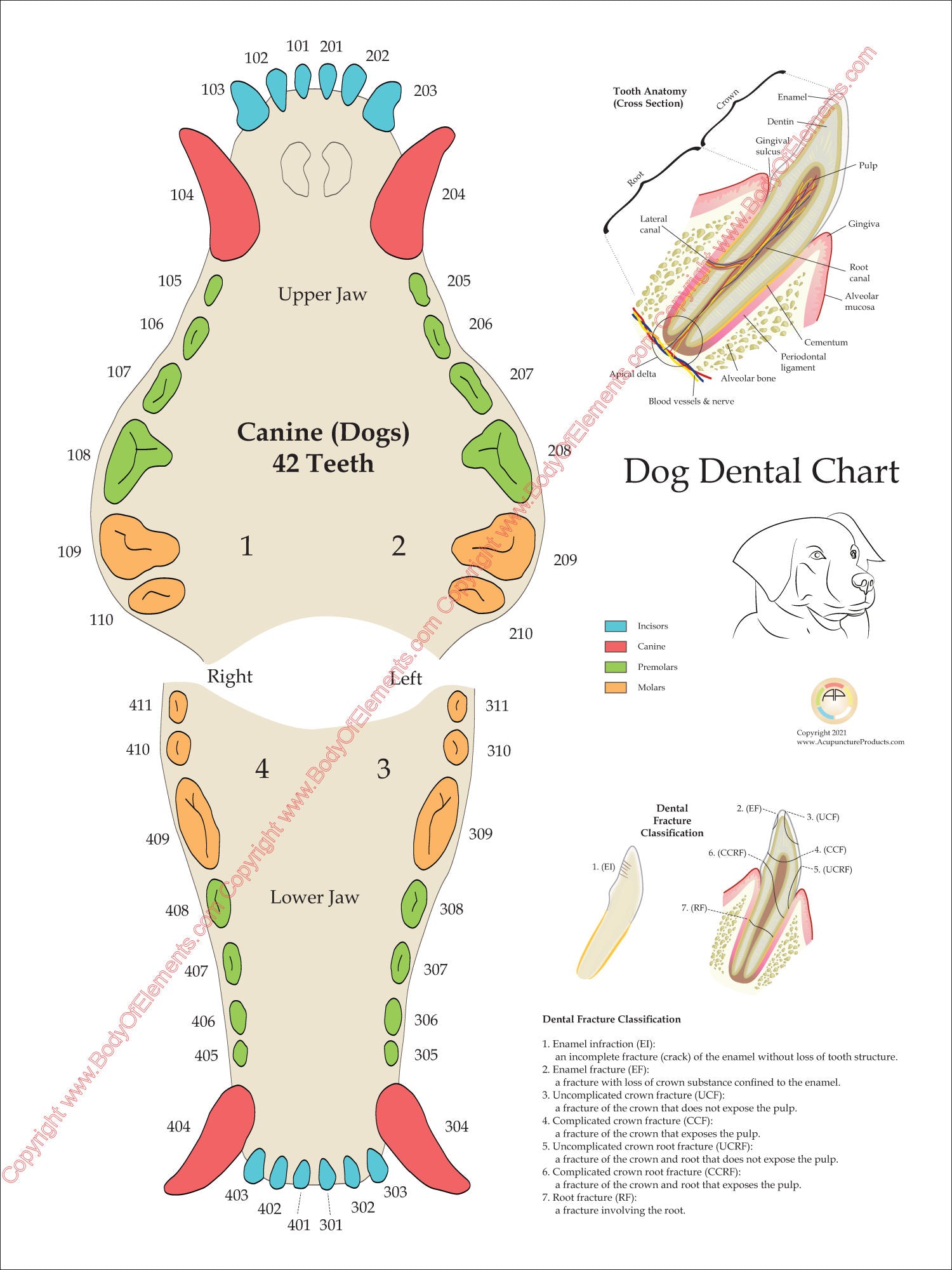
Puppies usually develop 28 deciduous teeth, also called baby teeth.
- ✦ Adult teeth
Most adult dogs have 42 permanent teeth after full dental development.
Dog Tooth Eruption Timeline From Puppy to Adult
The dog tooth eruption timeline follows a general pattern, but breed size and genetics can influence timing. Small breeds may have a higher chance of dental crowding because their jaws are smaller.
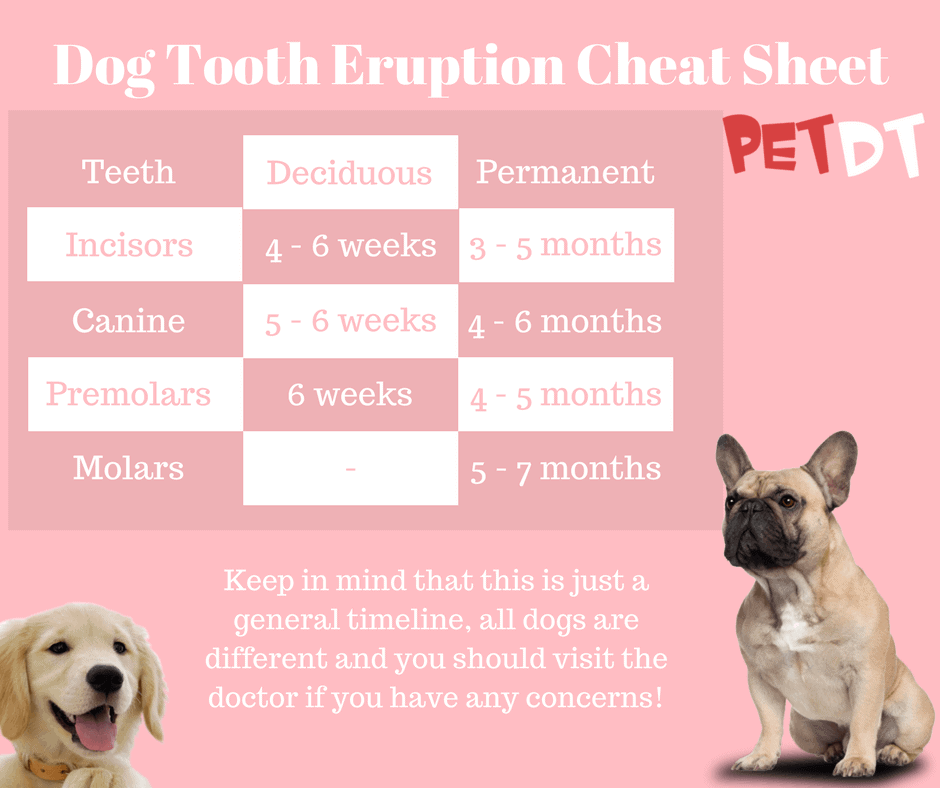
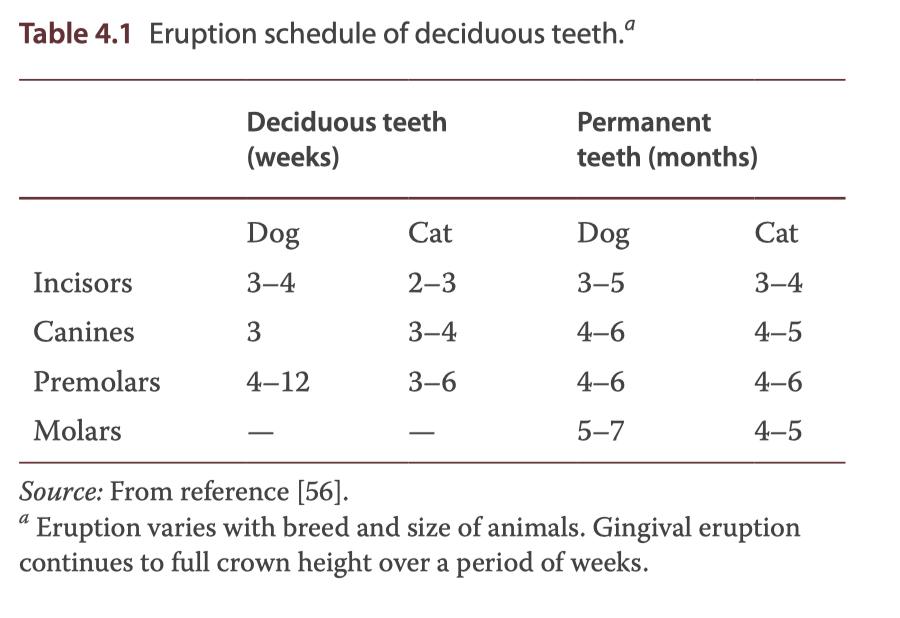
Most puppies begin showing baby teeth at around 3 to 6 weeks of age. Permanent teeth usually start appearing around 3 to 4 months and continue until about 6 to 7 months.
- ✦ 3 to 6 weeks
Baby incisors, canines, and premolars begin appearing.
- ✦ 3 to 7 months
Adult teeth replace puppy teeth as the jaw grows.
Signs Your Puppy Is Teething
Common signs include chewing more often, mild gum sensitivity, drooling, and finding small teeth around the home.
- ✦ Normal chewing
Safe chew toys can help puppies handle gum discomfort.
How Puppies Lose Baby Teeth
During normal dog tooth eruption, adult teeth grow under the baby teeth and slowly loosen them. The puppy may swallow some loose teeth, which is usually harmless.
Owners should avoid pulling loose teeth at home. A veterinarian can safely remove teeth that fail to fall out when needed.
Retained Baby Teeth in Dogs
Retained baby teeth happen when a puppy tooth stays in place after the adult tooth appears. This can create crowded spaces where food and bacteria collect.
- ✦ Common concern
Retained canine teeth are often seen in small breeds and may need professional evaluation.
Common Problems During Dog Tooth Eruption
Most puppies pass through tooth changes without major issues, but some dogs develop dental problems during growth. Early checks can prevent discomfort and future disease.
A veterinarian may examine tooth alignment, gum health, and whether adult teeth are erupting correctly.

- ✦ Crowding
Too many teeth in a small space can trap debris and increase dental risks.
- ✦ Incorrect alignment
Some dogs develop bite problems that affect normal chewing.
How to Care for Your Dog’s Teeth During Development
Dental care should begin while a dog is young. Creating gentle brushing habits during puppyhood makes future care easier.
Use products made for dogs and schedule veterinary dental checks as recommended. Human toothpaste is not safe for pets.
- ✦ Brush regularly
A dog toothbrush and veterinary-approved toothpaste help remove plaque.
- ✦ Monitor changes
Watch for bleeding, swelling, bad breath, or trouble eating.
