
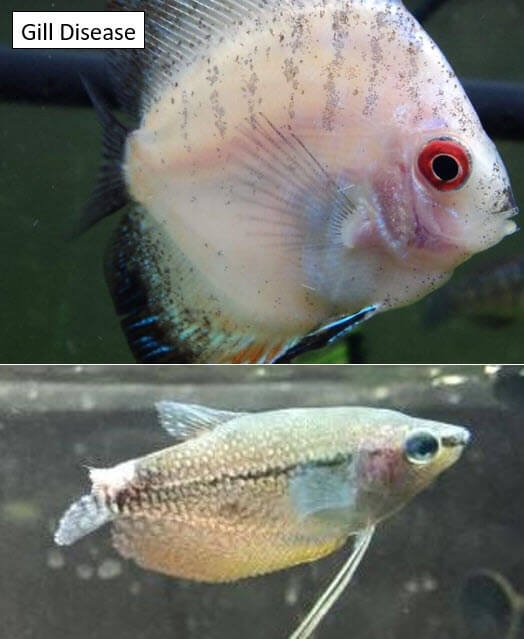
Fish gill redness signals inflammation, infection, poor water quality, or stress in many fish.
I have worked with freshwater and marine aquariums for over a decade and treated many cases of fish gill redness. I write from hands-on experience and research to help you spot, diagnose, treat, and prevent gill problems. Read on for clear steps, practical tips, and proven advice to protect your fish and keep gills healthy.

What is fish gill redness?
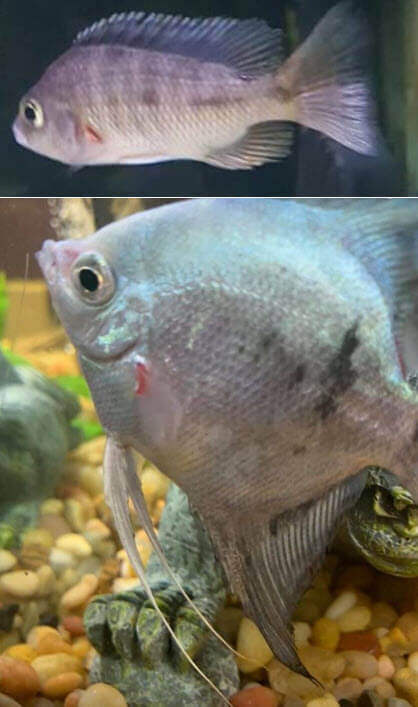
Fish gill redness is a visible change in gill color. Healthy gills are usually pink to bright red. Gill redness means the tissue is irritated, inflamed, or damaged. Causes range from poor water to parasites and bacterial infections. Recognizing fish gill redness early can save lives and reduce stress for your stock.
Common causes of fish gill redness
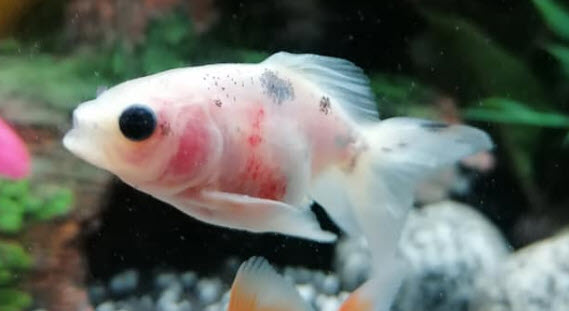
Gill redness can come from many sources. Below are the main causes to check first.
- Poor water quality: high ammonia, nitrite, or low oxygen cause redness and swelling.
- Bacterial infection: opportunistic bacteria infect damaged gill tissue and cause bright red or bleeding gills.
- Parasitic infestation: gill flukes and protozoa can irritate gills and lead to redness and excessive mucus.
- Chemical exposure: cleaners, copper, or sudden pH swings damage gills and cause red tissue.
- Physical injury: rough handling, sharp decor, or netting can cut or abrade gills.
- Stress and oxygen shortage: poor aeration or overcrowding makes gills work harder and appear red.
Spotting the root cause narrows your treatment options quickly. I often test water first. Most fixes start with better water.
Symptoms and how to spot it early
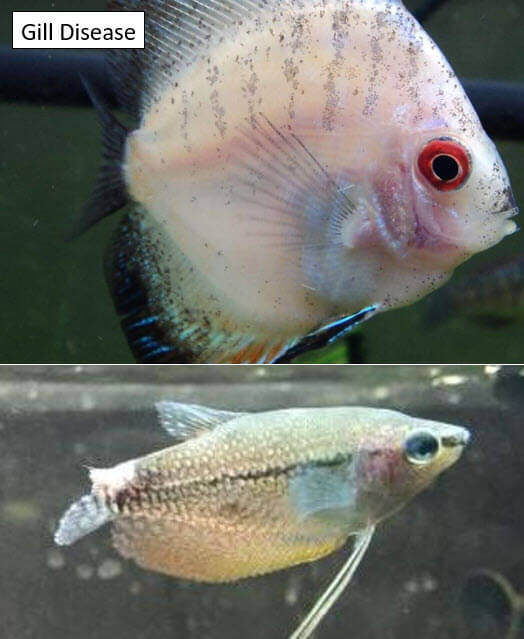
Early detection is simple with regular checks. Watch for these signs.
- Red or darkened gill color when you net or look closely.
- Rapid breathing or gasping at the surface.
- Excess mucus or flared gill covers.
- Lethargy, loss of appetite, or rubbing against objects.
- Visible parasites or white spots on gill tissue.
If you see fish gill redness and listed behaviors together, act fast. Small fixes early prevent big losses.
Diagnosis and tests
A systematic approach finds the cause. Use these steps for clear diagnosis.
- Test water: measure ammonia, nitrite, nitrate, pH, hardness, and dissolved oxygen.
- Observe multiple fish: are only one or many affected?
- Inspect gills: gently net one fish and look under good light for color, mucus, or lesions.
- Microscopic exam: gill scrapings reveal parasites or ciliates.
- Culture or vet consult: if bacteria are suspected, lab cultures or a vet can confirm.
I run water tests first in most cases. Water problems are the most common and the easiest to fix quickly.
Treatment and management
Treatments must match the cause. Below are practical options.
- Improve water quality
- Do immediate partial water changes.
- Remove uneaten food and vacuum substrate.
- Increase aeration and circulation.
- Address parasites
- Use antemonials or specific anti-parasitic treatments following product instructions.
- Quarantine and treat affected fish separately when possible.
- Treat bacterial gill infections
- Use appropriate antibiotics or medicated baths only after diagnosis.
- Support with clean water and good oxygen levels.
- Reduce chemical exposure
* Stop use of suspect chemicals and perform water changes.- Use dechlorinators and conditioners as needed.
- Supportive care
- Add aquarium salt at species-appropriate levels to reduce osmotic stress.
- Raise water temperature slightly to speed immune response, but within species limits.
Always follow dosing guidelines and monitor fish closely. Overdosing medications or salt can harm sensitive species. When in doubt, consult a fish health professional.

Preventing gill redness: aquarium care best practices
Prevention is the easiest treatment. These habits keep gills healthy.
- Maintain steady water quality with regular tests and water changes.
- Avoid overcrowding and choose species with similar needs.
- Quarantine new fish for at least two weeks before adding them.
- Use gentle filtration and ensure good oxygenation and flow.
- Feed a balanced diet and remove uneaten food promptly.
- Avoid rapid changes in temperature or pH.
- Keep decor smooth and safe to prevent physical injuries.
I recommend a simple weekly checklist. It avoids many causes of fish gill redness.

When to seek professional help
Some situations need expert intervention. Contact a vet or aquatic specialist when any of these occur.
- Rapid deterioration despite water changes.
- Severe gill bleeding or inability to breathe.
- Large numbers of fish affected at once.
- Unclear diagnosis after basic tests and observation.
- Need to use prescription antibiotics or specialized treatments.
A professional can run lab tests and advise safe medication use. Don’t delay when lives are at stake.

Personal experience and practical tips
From my aquarium work, I learned fast action wins. Here are lessons I share.
- Test water first. I saved whole tanks by correcting ammonia quickly.
- Quarantine early. An unknown parasite once spread and cost several fish in one week.
- Use simple tools. A portable oxygen stone and a reliable test kit are worth the cost.
- Keep a treatment log. I track dates, doses, and outcomes. It helps spot patterns.
- Stay calm. Panicked dosing is a common error and makes gill problems worse.
These small habits stopped repeat outbreaks in my tanks. They will help you keep fish gill redness from returning.
Related conditions and differential diagnosis
Not all gill color changes are the same. Consider these related issues.
- Anemia or poor blood flow can make gills pale, not red.
- Algae or smothering by cyanobacteria may cover gills and mimic redness.
- Gill hyperplasia appears as thickened tissue and may look different than simple redness.
- Fungal infections can co-occur with bacterial issues and complicate treatment.
- External parasites may cause similar labored breathing but need different drugs.
Accurate diagnosis avoids wrong treatments. Use tests and, when needed, expert help.
Frequently Asked Questions of fish gill redness
What does fish gill redness mean?
Fish gill redness usually means inflammation, infection, or irritation of the gill tissue. It often points to water quality issues, parasites, or chemical exposure.
Can poor water cause gill redness quickly?
Yes. High ammonia or nitrite can damage gills within hours and cause redness and breathing issues. Fast water tests and changes are critical.
How do I treat gill parasites at home?
Quarantine the affected fish if you can and use a targeted antiparasitic medicine. Follow dosing instructions and repeat treatments if recommended.
Is gill redness always fatal?
No. Many cases are treatable, especially if caught early and when water is corrected. Severe or untreated cases can lead to death.
Should I use antibiotics for red gills?
Only use antibiotics when a bacterial infection is confirmed or strongly suspected. Misuse can harm fish and encourage resistant bacteria.
Conclusion
Fish gill redness is a clear warning sign that asks for quick, calm action. Start with water tests, isolate if possible, and match treatment to the cause. Small habits like regular testing, quarantine, and proper stocking prevent most gill problems. Take one step today: check your water and inspect gills on routine feedings. Share your experiences below or subscribe for more practical aquarium health tips.
