
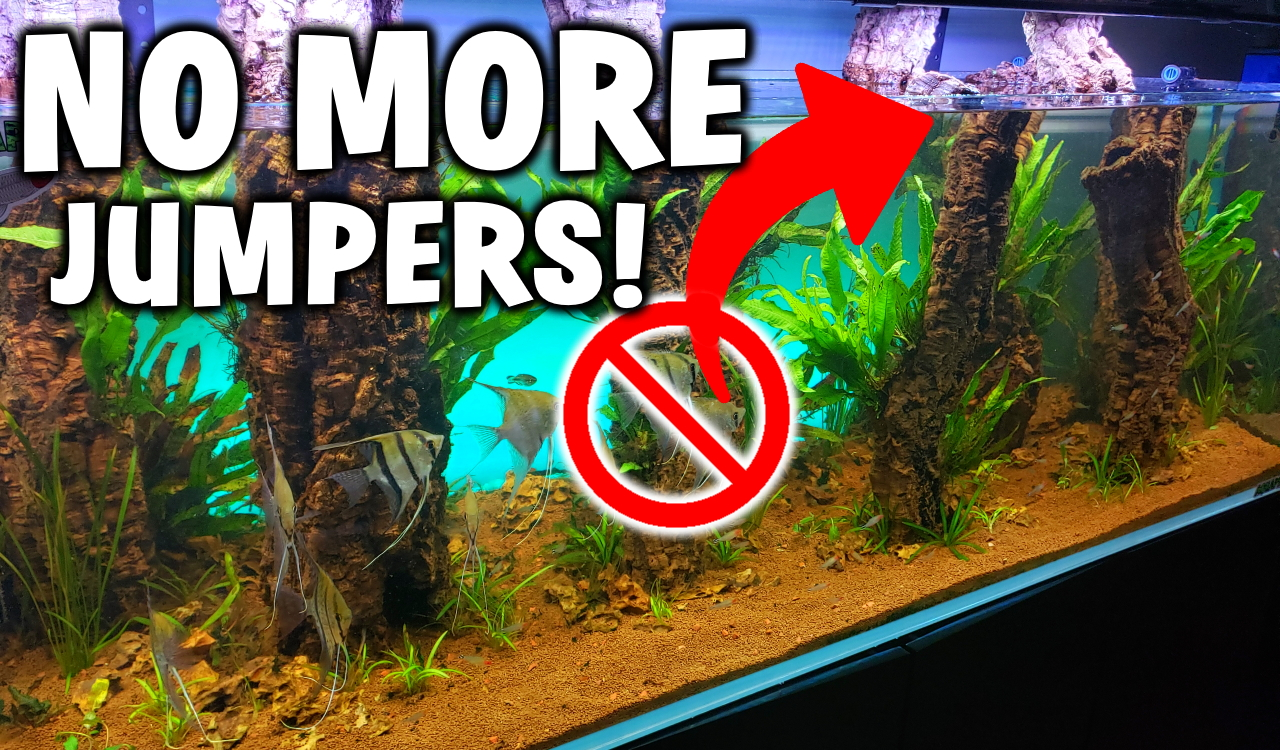
A fish jumping tank is a setup where fish repeatedly leap out of the aquarium, risking injury.
I’ve worked with aquariums for years and helped many hobbyists solve fish jumping tank problems. This guide explains why fish jump, how to prevent it, and how to design a safe fish jumping tank with clear steps and real-life tips.

What is a fish jumping tank?
A fish jumping tank describes any aquarium where fish frequently try to leave the water. It is both a behavior issue and a setup problem. Understanding the term helps you spot causes and reduce risk in your own home or facility.
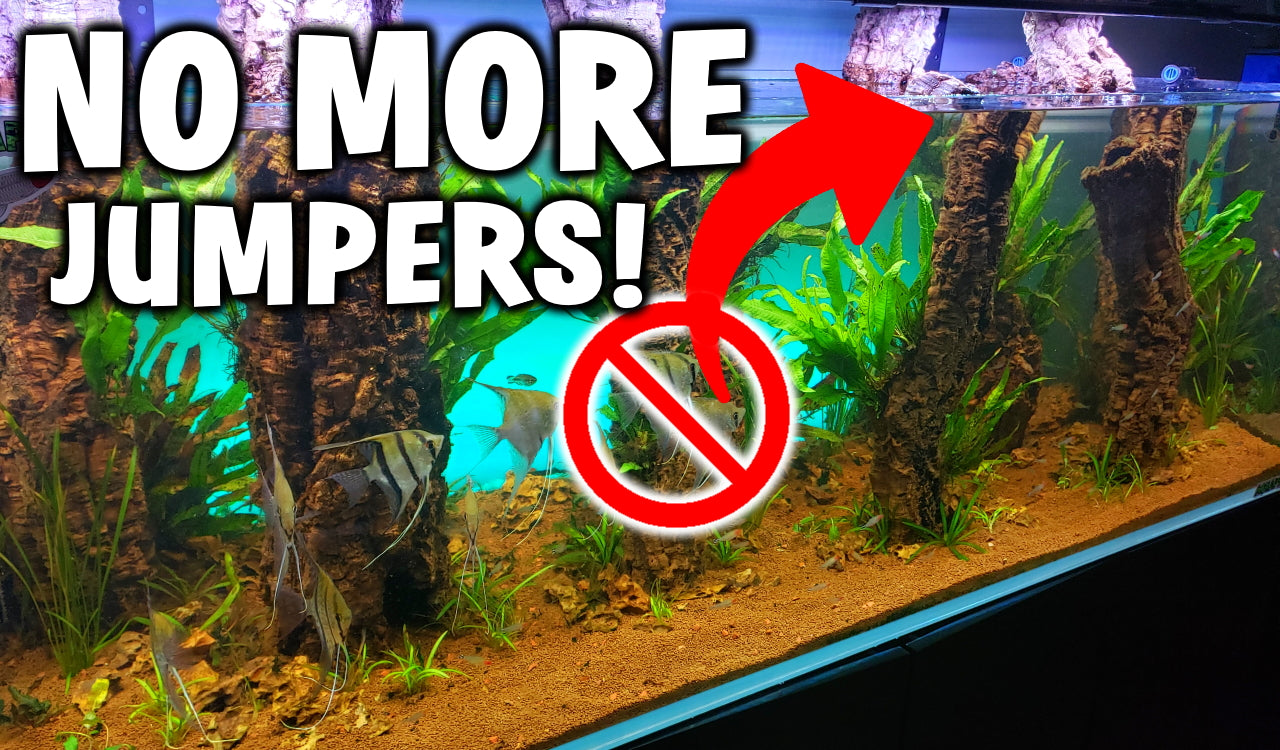
Why do fish jump?
Fish jump for many reasons. They may react to stress, poor water, predators, or sudden noise. Some species are natural jumpers, and others leap when chasing food or mates.
People also ask
Why do fish jump out of tanks at night?
Fish can jump at night when they are startled or when oxygen drops. Low oxygen or sudden disturbances often trigger nighttime jumps.
Can poor water quality make fish jump?
Yes. High ammonia, nitrite, or extreme pH changes make fish uncomfortable and more likely to jump.
Are certain fish more likely to jump than others?
Yes. Species like bettas, killifish, and some cichlids are known jumpers. Knowing your species helps you prevent jumps.

Risks and consequences of a fish jumping tank
A fish jumping tank can lead to injury or death for the fish. Escaping fish can suffer from trauma, dehydration, or predators in the room. Frequent jumps also signal deeper problems with water, stocking, or environment.
- Physical harm such as torn fins, bruising, and scale loss.
- Stress and weakened immunity, leading to disease.
- Lost or dead fish, which is costly and upsetting.

Tank design and prevention
Good tank design reduces jumping. Simple changes often stop most jumps.
- Use a tight-fitting lid or canopy to block escape routes. Mesh lids help gas exchange while keeping fish in.
- Maintain proper water levels. Avoid overflows and high water flow near the surface.
- Provide surface cover like floating plants to calm jump-prone species.
- Position lights and filters to minimize sudden flashes and strong currents.
- Add ramps or gentle ledges for species that like to explore the surface.
These steps improve safety and create a stable fish jumping tank environment.

Selecting species and understanding behavior
Choosing the right species prevents many jumping issues. Research fish habits before you buy them.
- Pick non-jumping species for open-top tanks. Examples include many tetras and gouramis when housed properly.
- Avoid mixing aggressive or highly active species with timid jump-prone fish.
- Recognize natural jumpers and plan lids and cover accordingly.
Matching species to tank type cuts stress and reduces escape attempts in any fish jumping tank.
Maintenance, water quality, and triggers
Routine care is key to stopping jump behavior. Clean tanks are calmer tanks.
- Test water weekly for ammonia, nitrite, nitrate, and pH.
- Do regular partial water changes to keep parameters stable.
- Keep temperature steady and appropriate for your species.
- Monitor oxygen levels. Low oxygen increases surface agitation and jumping.
- Watch for sudden changes like noisy rooms, new pets, or cleaning that can spook fish.
Consistent maintenance turns a risky fish jumping tank into a stable home.

Common mistakes and troubleshooting
Many jump problems come from simple errors. Fix these first.
- Mistake: No lid on a tank with known jumpers. Fix: Add a secure lid.
- Mistake: Sudden light changes or tapping glass. Fix: Move lights to timers and avoid tapping.
- Mistake: Overstocking the aquarium. Fix: Reduce stocking or upgrade tank size.
- Mistake: Ignoring water tests. Fix: Test and correct chemistry before making large changes.
If fish still jump after fixes, isolate stressed individuals and review filtration and flow. Seek expert help if needed.

Personal experience and lessons learned
I once inherited a community tank where fish staged nightly escapes. The owner had no lid and used strong surface flow. I added a fine mesh lid and redistributed filter output. Within two weeks the jumping stopped. Key lessons I learned were to test water first and make small, staged changes. Over-correcting can add stress and cause more jumps.

Frequently Asked Questions of fish jumping tank
What is the main cause of fish jumping in a tank?
Stress and poor water quality are the main causes. Sudden noise, low oxygen, and inappropriate flow also trigger jumping.
How can I stop my fish from jumping out of the tank?
Install a secure lid, stabilize water parameters, and reduce sudden disturbances. Add surface cover and adjust filter output.
Do all fish try to jump out of a tank?
No. Some species rarely jump while others do it frequently. Research species behavior before keeping them.
Will a mesh lid harm my fish?
A fine mesh lid is safe when it allows gas exchange and prevents fish from getting caught. Ensure the mesh has small enough gaps for your species.
Can lighting cause fish to jump?
Yes. Sudden bright flashes or strobes can startle fish. Use timers and gradual light changes to reduce this risk.
Conclusion
A fish jumping tank is a solvable problem. Identify the cause, test the water, add proper covers, and match species to tank design. Small changes often make the biggest difference. Try one prevention step today and monitor results. If this guide helped, please share your experience or ask a question below.
