
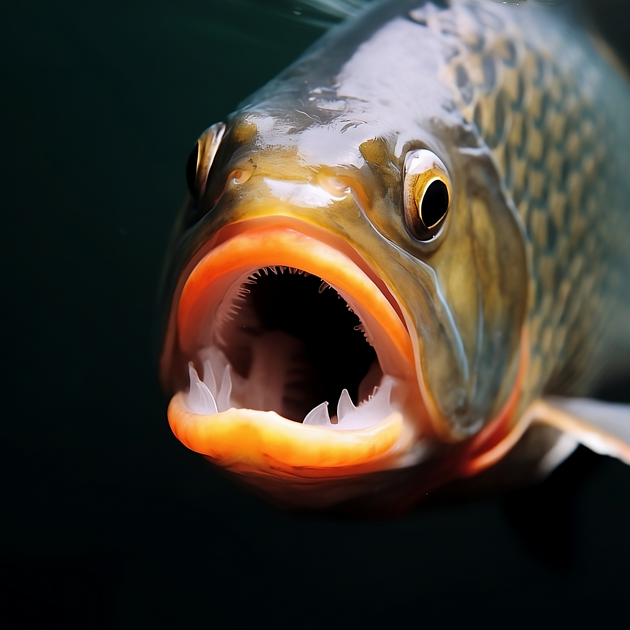
A fish with its mouth open often signals breathing, feeding, stress, or a natural behavior like mouthbrooding.
I have worked with aquaria and fisheries for years, so I can help you read the signs when a fish mouth open. This article explains why fish open their mouths, how to tell normal behavior from trouble, and clear steps to fix problems. Expect practical tips, real-world examples, and checklists you can use right away to keep fish healthy and calm.

What it means when you see a fish mouth open
Seeing a fish mouth open can mean many things. Sometimes it is normal. Sometimes it is a warning sign of poor water, low oxygen, or illness. The same action — fish mouth open — can be breathing, begging, yawning, or a defensive display.
I will break down the causes simply. You will learn how to watch, test, and act. By the end you will know when a fish mouth open needs immediate care and when it is routine.

Common reasons why a fish mouth open
Fish open their mouths for many reasons. Here are the most common.
- Breathing or gasping at the surface
- Low oxygen or poor circulation can cause a fish mouth open at the surface. This is urgent and needs water checks.
- Feeding and begging
- Fish often open their mouths when they expect food. This is normal in many species.
- Yawning and stretching
- Some fish open wide to realign their jaws or gills. It is usually harmless.
- Mouthbrooding and parenting
- Mouthbrooders keep eggs or fry in a fish mouth open as a safe incubator until young are ready.
- Aggression or display
- Males or territorial fish may open their mouths to look big or threaten rivals.
- Parasites and gill disease
- External parasites or gill infections can make a fish mouth open to get more water flow.
- Injury or deformity
- Physical damage can leave a fish mouth open if it cannot close the jaw.
- Stress from poor water quality
- High ammonia, nitrite, or extreme pH shifts can cause a fish mouth open and labored breathing.

PAA-style questions (short answers)
Why is my fish opening its mouth at the surface?
- Most often it is gasping for oxygen. Check aeration and water quality first.
Is mouth gaping a sign of low oxygen?
- Yes. Mouth gaping at the water surface is a classic sign of low dissolved oxygen.
Can a fish die from constant mouth opening?
- Prolonged labored breathing can lead to death if the root cause, like poor water, is not fixed quickly.
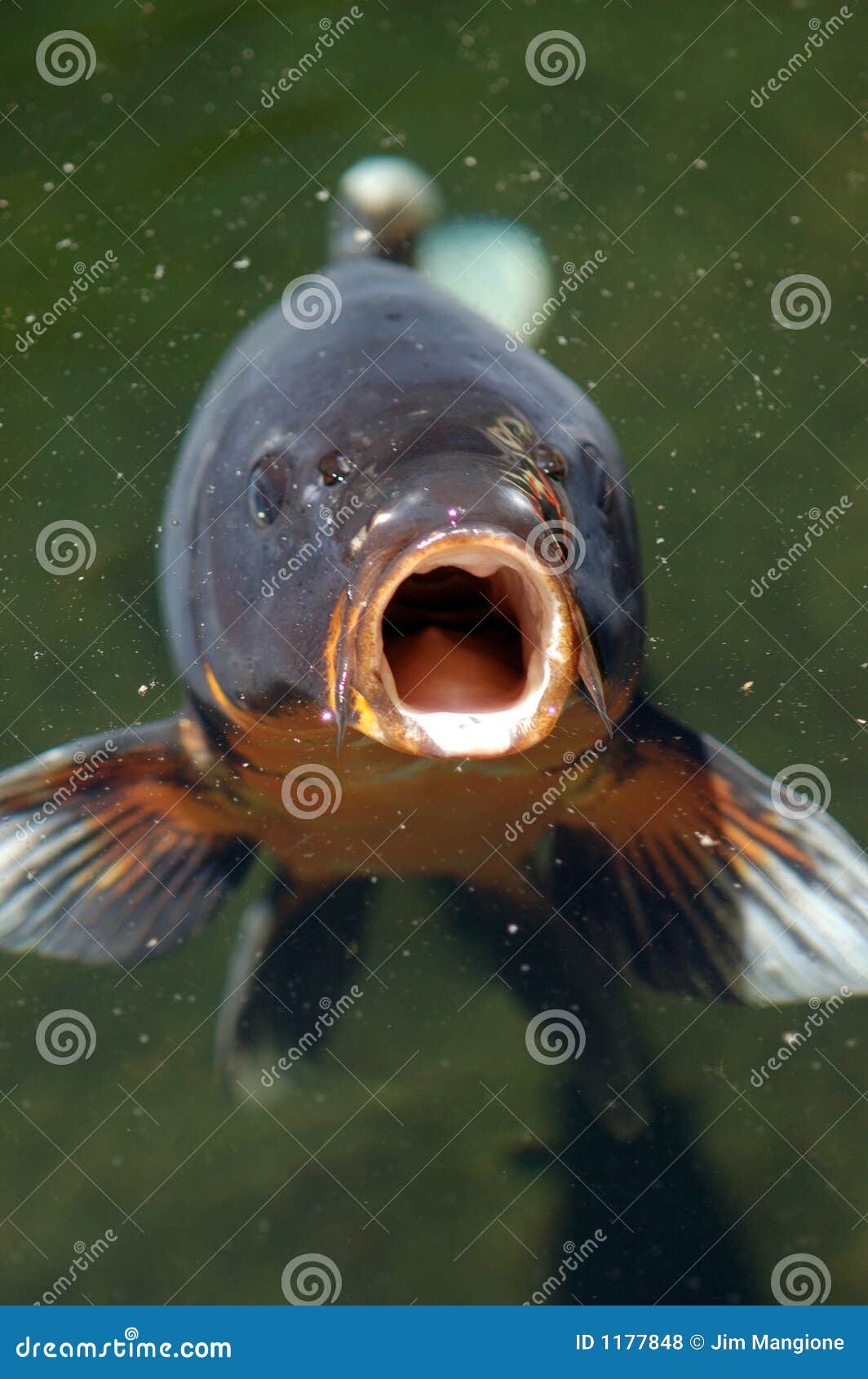
How to tell if mouth opening is normal or a sign of trouble
A clear check helps you decide fast. Watch for these signs.
- Normal mouth opening
- Brief opening at feeding, short yawns, or holding fry in the mouth. Fish resumes normal behavior quickly.
- Concerning signs
- Constant mouth open, rapid gill movement, rubbing on objects, faded color, or clamped fins. These need action.
- Look at gill movement
- Quick or heavy gill beats plus a fish mouth open means the fish struggles to breathe.
- Observe location
- Fish gasping at the surface is likely oxygen or toxin related. In-tank mouth opening may indicate disease.
In my experience, one calm test is to measure oxygen and ammonia. Small fixes often help fast. If unsure, isolate the fish and run basic tests.

Water quality, oxygen, and environment fixes
Water matters most for breathing problems. Follow this simple plan.
- Test the water
- Check ammonia, nitrite, nitrate, pH, and temperature. Any spike can make a fish mouth open.
- Improve oxygen
- Add an air stone, increase flow, or lower temperature slightly to raise dissolved oxygen.
- Partial water changes
- Replace 20 to 30 percent with conditioned water to reduce toxins and stress.
- Clean filters and remove debris
- Good circulation and clean media keep water safe and oxygen-rich.
- Avoid overcrowding
- Too many fish cause low oxygen and frequent mouth gaping.
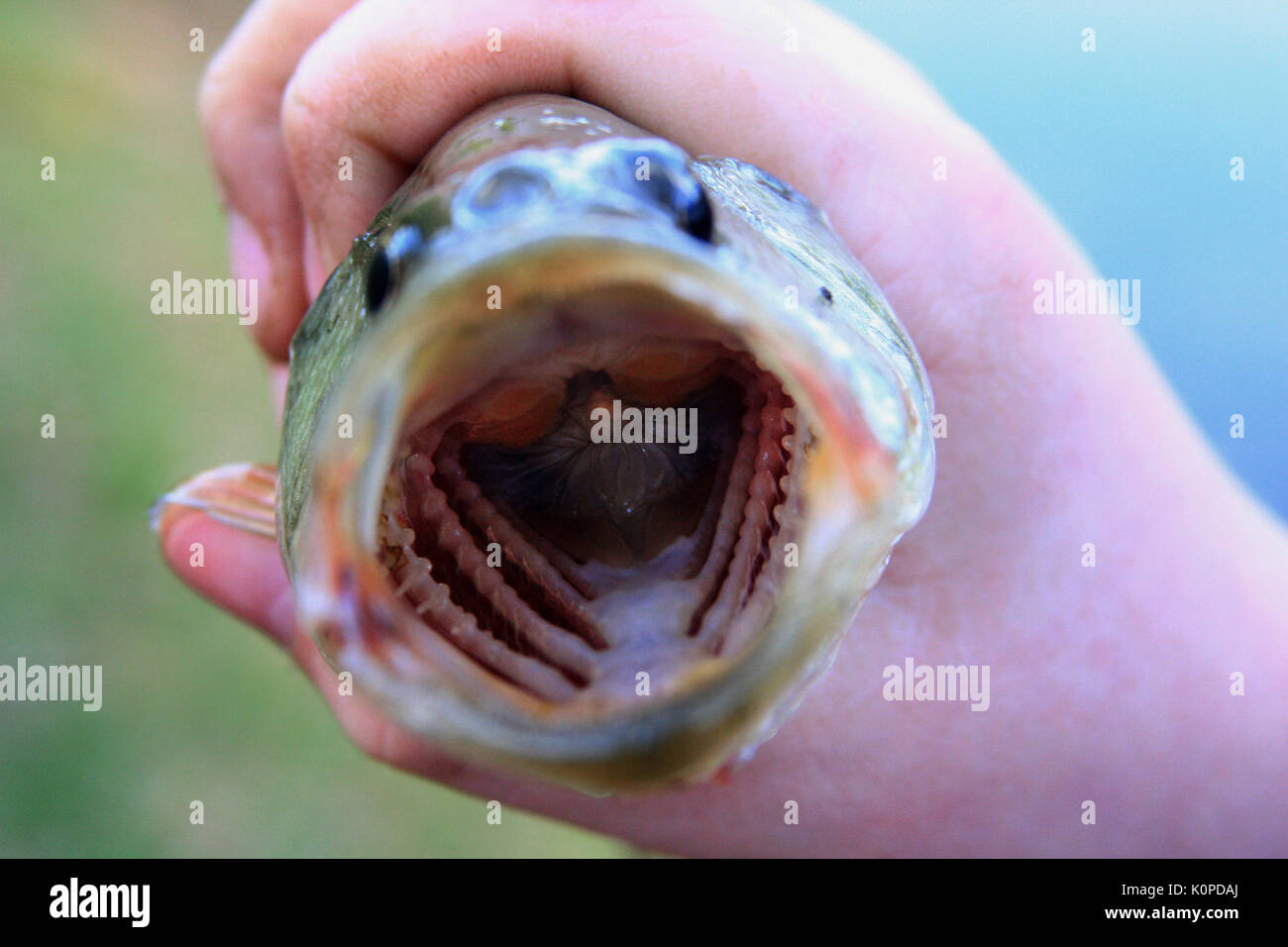
Health issues and treatments linked to mouth gaping
When mouth opening comes from disease, treat the root cause. Common problems and steps:
- Gill parasites and flukes
- Signs include scratching, rapid breathing, and a fish mouth open. Treat with medicated baths or targeted antiparasitics.
- Bacterial gill disease
- Often follows poor water. Improve water and use appropriate antibiotics if recommended by a vet.
- Fungal or columnaris infections
- Look for lesions near the mouth and gills. Treat with aquarium-safe antimicrobial agents and water changes.
- Ammonia or nitrite burns
- High levels damage gills and make fish mouth open. Immediate water change and ammonium binders help.
Always follow product instructions. If you treat medications, remove activated carbon and monitor water. When in doubt, consult an aquatic vet or experienced keeper.
Behavioral cases: feeding, mouthbrooding, and displays
Not all mouth opening is bad. Know the normal behaviors.
- Feeding response
- Many fish learn to open their mouths at sight of the owner. This is learned feeding behavior.
- Mouthbrooding parents
- Cichlids and some catfish keep fry in a fish mouth open to protect them for days or weeks.
- Courtship and care
- Some species use mouth opening during mating or while moving food to young.
- Threat displays
- A large open mouth can be bluffing to avoid fights.
These behaviors are species-specific. If the fish looks healthy and active, the behavior is often normal.
Prevention and action steps for aquarium keepers
Act fast when you see a fish mouth open and follow these steps.
- Observe calmly
- Note how long and where the fish opens its mouth. Check other fish.
- Test water right away
- Measure ammonia, nitrite, nitrate, pH, and temperature.
- Improve oxygen
- Turn on air stones, increase flow, or add a sponge filter.
- Do a partial water change
- Replace 20 to 30 percent with conditioned water.
- Quarantine if needed
- Move sick fish to a hospital tank for treatment and to protect others.
- Treat specific issues
- Use antiparasitic, antibacterial, or antifungal medicines only when needed.
- Monitor and record
- Keep notes of symptoms, tests, and treatments for future reference.
From my work, keeping a simple log helps spot patterns. Small, steady actions beat panic.
Signs to watch and when to call a professional
Know when to seek help. Get expert care if you see these:
- Fish mouth open with severe lethargy or loss of appetite.
- Rapid deaths or many fish gasping at the surface.
- Visible wounds, heavy bleeding, or unusual growths near the mouth.
- Repeated problems despite improved water and basic treatment.
A vet or experienced aquatic specialist can advise tests, sterile treatments, or targeted meds.
Related concepts and quick tips
Short, useful facts to remember.
- Temperature and oxygen are linked: warmer water holds less oxygen.
- Use live plants wisely: they add oxygen by day but may use oxygen at night.
- Avoid overfeeding: extra food raises ammonia and causes mouth gaping.
- Regular maintenance prevents most causes of mouth opening.
Frequently Asked Questions of fish mouth open
Why is my fish constantly opening its mouth?
Constant mouth opening often means breathing trouble. Check water quality and oxygen levels first, and take action if values are out of range.
Can low oxygen make a fish open its mouth at the surface?
Yes. Fish gasp at the surface to get more oxygen from the thin film at the top. Improve aeration and reduce temperature.
Is mouthbrooding harmful to the parent fish?
Mouthbrooding is a natural strain but usually not harmful if the parent has good food and water. Monitor the parent for weight loss or stress.
When should I quarantine a fish that opens its mouth?
Quarantine when the fish shows other signs like lesions, rapid breathing, or odd swimming. Isolation helps prevent spread and allows focused treatment.
Will adding an air stone stop mouth gaping immediately?
An air stone often helps quickly by increasing oxygen and circulation. Still check water chemistry and treat underlying issues.
Conclusion
Seeing a fish mouth open can be normal or a clear sign of trouble. Test the water, improve oxygen, and watch behavior closely. Use the checklists and steps above to act fast and reduce risk. If problems persist, get expert help. Try one change today: test your water and add gentle aeration to prevent many breathing issues. Leave a comment below with your observations or subscribe for more aquarium care tips.
