
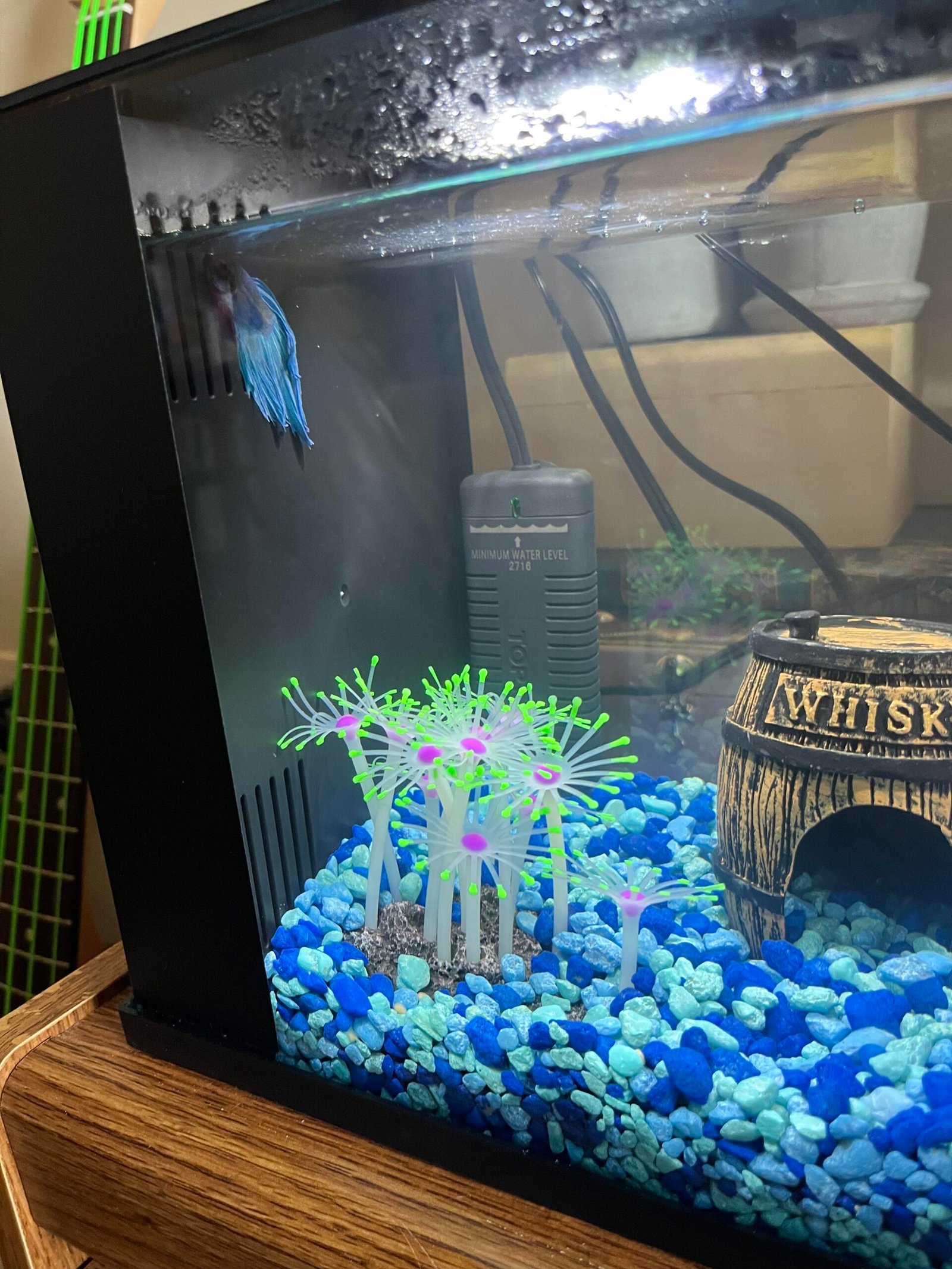
Fish staying top usually means trouble with buoyancy, oxygen, or water quality—act fast.
I’ve spent years caring for home aquariums and helping hobbyists fix floating fish. This guide explains why fish staying top happens, how to diagnose causes, and clear steps to treat and prevent it. Read on for practical tips, checklists, and real-life lessons you can use today.

Understanding why fish stay at the top
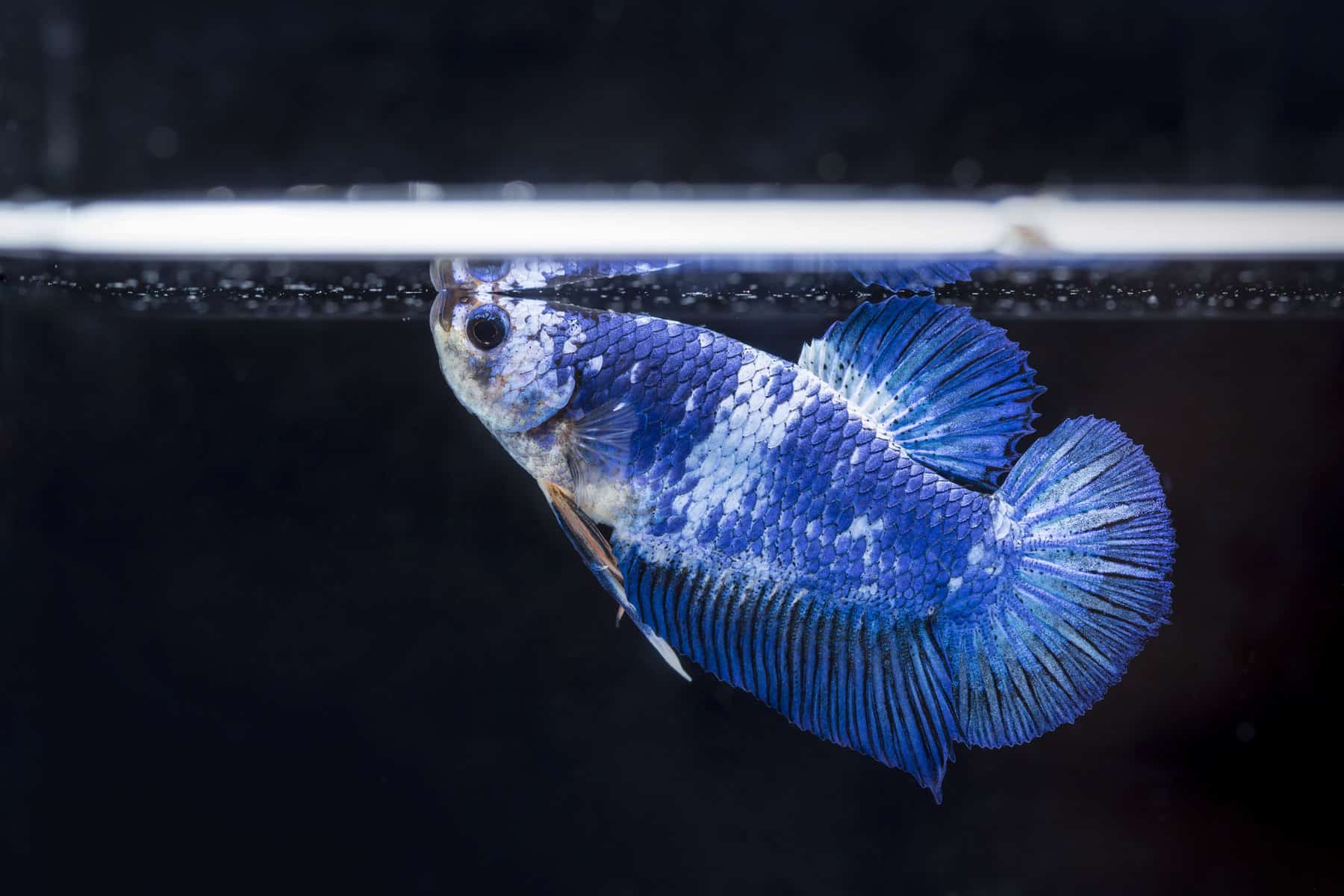
When you see a fish staying top, it means the fish is spending an unusual amount of time at the surface. That can look like gasping, floating, hanging vertically, or simply resting near the top. Some species naturally visit the surface to gulp air. But most times, fish staying top signals a problem.
Common surface behaviors include:
- Surface breathing to get more oxygen.
- Using surface layers for feeding or territory.
- Floating due to buoyancy issues.
Knowing normal behavior for your species helps. Bettas and labyrinth fish often take air at the surface. Goldfish or community tetras that stay top are more likely unwell. Learning species habits makes it easier to spot when fish staying top is an emergency.

Common causes of fish staying top
Fish staying top can come from many causes. Here are the main ones to check first.
- Low dissolved oxygen in water — Poor aeration or high temperature lowers oxygen and causes surface gasping.
- Swim bladder disorder — Internal issues make a fish float or sink oddly and stay near the top.
- Poor water quality — High ammonia or nitrite and low pH stress fish and cause surface behavior.
- Overfeeding and constipation — A full gut can press the swim bladder and cause buoyancy problems.
- Temperature shock — Warm or uneven water can trigger faster breathing and surface stays.
- Gas bubble disease — Excess gases form in tissues after rapid pressure or gas imbalance and can force fish up.
- Parasites and infections — Gill disease or systemic infection reduces breathing efficiency.
- Stress or aggression — Bullying or stress can force a fish to hide near the top or gasp there.
- Natural surface dwellers — Some species prefer the top and this is normal.
When fish staying top happens, assume an environmental cause first. Check water and oxygen quickly.

How to diagnose when your fish is staying top
A clear diagnosis helps target treatment. Use a short checklist and simple tests.
Observe the fish
- Note breathing rate and gill movement.
- Check posture: tilted, belly up, or tail down.
- Look for patches, sores, or puffy scales.
Check the tank
- Test ammonia, nitrite, nitrate, and pH with strips or kits.
- Measure temperature and look for wide swings.
- Watch for surface film that reduces gas exchange.
Compare tankmates and behavior
- Are other fish affected?
- Is the problem only after feeding or after lights on?
Do simple isolation steps
- Move the fish to a quarantine tank if it’s struggling.
- Use a well-aerated hospital tank to test response.
This method narrows down whether fish staying top is due to oxygen, swim bladder, or infection.
Immediate first aid and treatments
Act fast. Quick steps often save fish that are staying top.
Short-term actions
* Increase surface agitation by adjusting the filter outflow or adding an air stone.
- Do a 25–50% water change with dechlorinated water to lower toxins and improve oxygen.
- Lower the water temperature slightly if it’s too warm; cooler water holds more oxygen.
Simple home remedies
- Fast the fish for 24–48 hours if overfeeding or constipation is likely.
- Offer a peeled, cooked pea for larger fish like goldfish to relieve constipation.
- Use Epsom salt baths for swim bladder relief: dissolve small amounts in separate water and follow aquarium community guidance; consult experienced sources for safe dosing.
Medical and professional steps
- Treat confirmed parasite or bacterial infections with appropriate medications and follow label directions.
- Consult an aquatic vet or experienced aquarist if the problem persists or many fish are affected.
When a fish is staying top, oxygen and water quality fixes work fastest. Use medicines only when a diagnosis supports infection.
Long-term prevention and tank management
Avoiding repeat episodes of fish staying top starts with good tank care. Follow these habits.
Daily and weekly routine
- Test water weekly for ammonia, nitrite, nitrate, and pH.
- Do regular partial water changes and vacuum substrate.
- Keep consistent feeding schedules and feed small portions.
Tank setup and stocking
- Match fish by size and temperament to reduce stress.
- Avoid overstocking; too many fish cause low oxygen and waste buildup.
- Provide plants and surface agitation to improve oxygen exchange.
Diet and health
- Feed varied, balanced diets to prevent constipation and nutrient deficits.
- Quarantine new fish for at least two weeks to limit disease spread.
- Observe fish daily for early signs of distress or change.
Good routine care reduces chances of fish staying top and keeps your aquarium stable and healthy.
People also ask
Why is my fish staying at the top and gasping?
Gasping at the top usually means low oxygen or gill damage. Check aeration, water quality, and temperature immediately.
Can swim bladder issues cause a fish staying top?
Yes. Swim bladder disorders make fish float or hang at the surface due to buoyancy loss. Diet and infection are common triggers.
Will a water change help if my fish is staying top?
A partial water change often helps by lowering toxins and increasing oxygen. It’s a good first response while you diagnose further.

Personal experience and practical tips
I once had a community tank where a small tetra kept staying top after a heatwave. My first mistake was waiting. I then did a fast water change and increased aeration. The fish improved within hours. Lesson learned:
- Act fast on surface-gasping signs.
- Keep a small quarantine tank ready.
- Avoid panic medication; use targeted fixes.
Another time, a goldfish with swim bladder issues regained balance after a brief fast and a peeled pea. That taught me diet matters. Small habits prevent most cases of fish staying top.

Frequently Asked Questions of fish staying top
What should I check first if a fish is staying top?
Check oxygen levels, water temperature, and basic water chemistry (ammonia, nitrite, nitrate) first. These often reveal the cause quickly.
How long can a fish stay at the top before it’s too late?
A few hours of severe gasping is risky. Act within an hour if breathing is rapid or erratic. Quick water and oxygen fixes can save the fish.
Can overfeeding cause fish staying top?
Yes. Overfeeding can lead to constipation and swim bladder pressure, causing the fish to float near the surface.
Is it normal for some fish to stay at the top?
Some species prefer the surface. Bettas and labyrinth fish often surface to breathe and this can be normal behavior.
Should I remove other fish when one is staying top?
If disease is suspected, move the affected fish to quarantine. If the issue looks environmental, improve tank conditions first and monitor all fish closely.
Conclusion
Fish staying top is a clear signal your aquarium needs attention. Check oxygen and water quality first, use fast fixes like partial water changes and improved aeration, and isolate or treat the fish if needed. Keep a steady maintenance routine, feed the right diet, and quarantine new fish to prevent future problems. Try the steps in this guide, watch your tank closely, and share your results or questions in the comments.
