
Fish suddenly hide when stressed, ill, or experiencing sudden water or environment changes.
I have kept and studied many tanks for years, so I know how alarming it is when fish sudden hiding happens. This guide explains clear causes, tests, and fixes you can try at home. Read on for practical steps, real examples from my experience, and ways to prevent hiding in the future.

Why fish suddenly hide
Fish sudden hiding is a common sign that something in the tank has changed. Fish hide to feel safe when they sense risk. Changes in water, light, noise, or tankmates can trigger hiding. Watching when and how they hide helps you spot the cause fast.

Common causes of fish sudden hiding
Many issues can cause fish sudden hiding. Below are common triggers to check first.
- Water quality problems: High ammonia, nitrite, or low oxygen can make fish hide.
- Temperature swings: A sudden drop or rise in temperature often leads to hiding.
- New tankmates: Aggressive or fast fish scare shy species into hiding.
- Illness and parasites: Disease can make fish lethargic and reclusive.
- Sudden light changes: Bright or flashing light will push fish to hide.
- Loud noise and vibration: Frequent tapping or loud equipment causes stress.
- Recent tank changes: New decor, substrate, or cleaning can upset fish.
- Poor hiding places: Lack of cover forces fish to search and then hide when stressed.

How to observe and diagnose fish sudden hiding
Good observation is the first step to solving fish sudden hiding. Watch fish at different times of day. Note which fish hide, for how long, and if they show odd behavior like gasping or rubbing.
- Check water: Test ammonia, nitrite, nitrate, pH, and temperature.
- Observe interactions: Look for chasing, nipping, or territorial fights.
- Inspect for illness: Look for spots, torn fins, bloating, or color loss.
- Isolate or film: Use a phone to record behavior. Isolation can show if one fish is ill.
- Review recent changes: Think about new plants, gravel, or chemicals used.
Treatment and immediate steps when fish suddenly hide
Start with safe, simple steps you can do now. Quick action can stop a small issue from becoming a big one.
- Do water tests and a 25 percent water change if levels are off.
- Lower light for a day to reduce stress.
- Remove aggressive fish or relocate hiding fish to a quiet tank if needed.
- Treat disease only after you identify symptoms. Use targeted meds rather than a broad approach.
- Fix temperature issues with a reliable heater or chiller and a thermometer.

Preventing fish sudden hiding — husbandry tips
Prevention is the best approach to reduce episodes of fish sudden hiding. Good routine care keeps fish secure and calm.
- Keep a stable schedule for feeding and maintenance.
- Cycle new tanks fully before adding fish to avoid nitrate spikes.
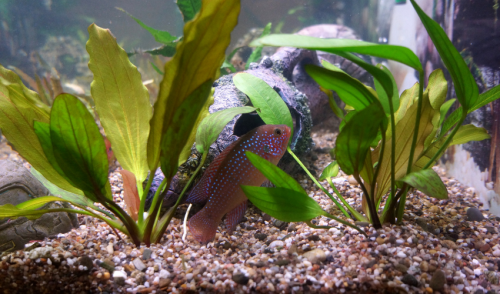
- Add plants and caves for shelter so fish can choose safe spots.
- Quarantine new fish for two weeks to catch illness early.
- Avoid sudden changes in light, décor, or water chemistry.
Personal experience with fish sudden hiding
Years ago, my community tank had a sudden hiding episode after I added new gravel. Most fish retreated to plants and stayed hidden for two days. I ran a full water test and found no spike, but I realized the gravel had heavy dust. After multiple small water changes and gentle suctioning, fish returned to normal within 48 hours. The lesson: small, new items can cause stress even without clear chemical changes.

When to seek professional help
If hiding lasts more than several days or if fish show clear illness, contact a vet or an experienced aquatic specialist. Severe breathing issues, rapid death, or widespread signs mean urgent help is needed. Be ready to share water test results and recent tank history when you ask for help.

Frequently Asked Questions of fish sudden hiding
Why did my fish suddenly start hiding after a water change?
A sudden water change can shift temperature, pH, or trace minerals and stress fish. Always do gradual changes and match temperature and pH when possible.
Can stress alone cause long-term hiding?
Yes. Long-term stress can lead to poor appetite and disease. Fix the stress source and stabilize conditions to help fish recover.
Is hiding a sign of contagious disease?
Hiding itself is not always contagious, but many sick fish hide. Watch for spots, frayed fins, or odd swimming to spot contagious problems.
How long will fish hide before they return to normal?
Many fish return within a day or two after the trigger is removed. If hiding lasts longer than a week, investigate water quality and health causes.
Should I isolate a hiding fish?
Isolate only if the fish shows clear illness or is being bullied. Isolation can reduce stress and allow focused treatment when needed.
Conclusion
Fish sudden hiding is a clear signal that something in the tank needs attention. Check water, temperature, tankmates, and recent changes first. Use gentle fixes: stable water, quiet light, and safe hiding places. If hiding continues, document behavior and seek expert help. Try one change at a time, stay calm, and learn from each episode to keep your tank healthy and peaceful. Leave a comment with your own hiding story or subscribe for more care tips.
