
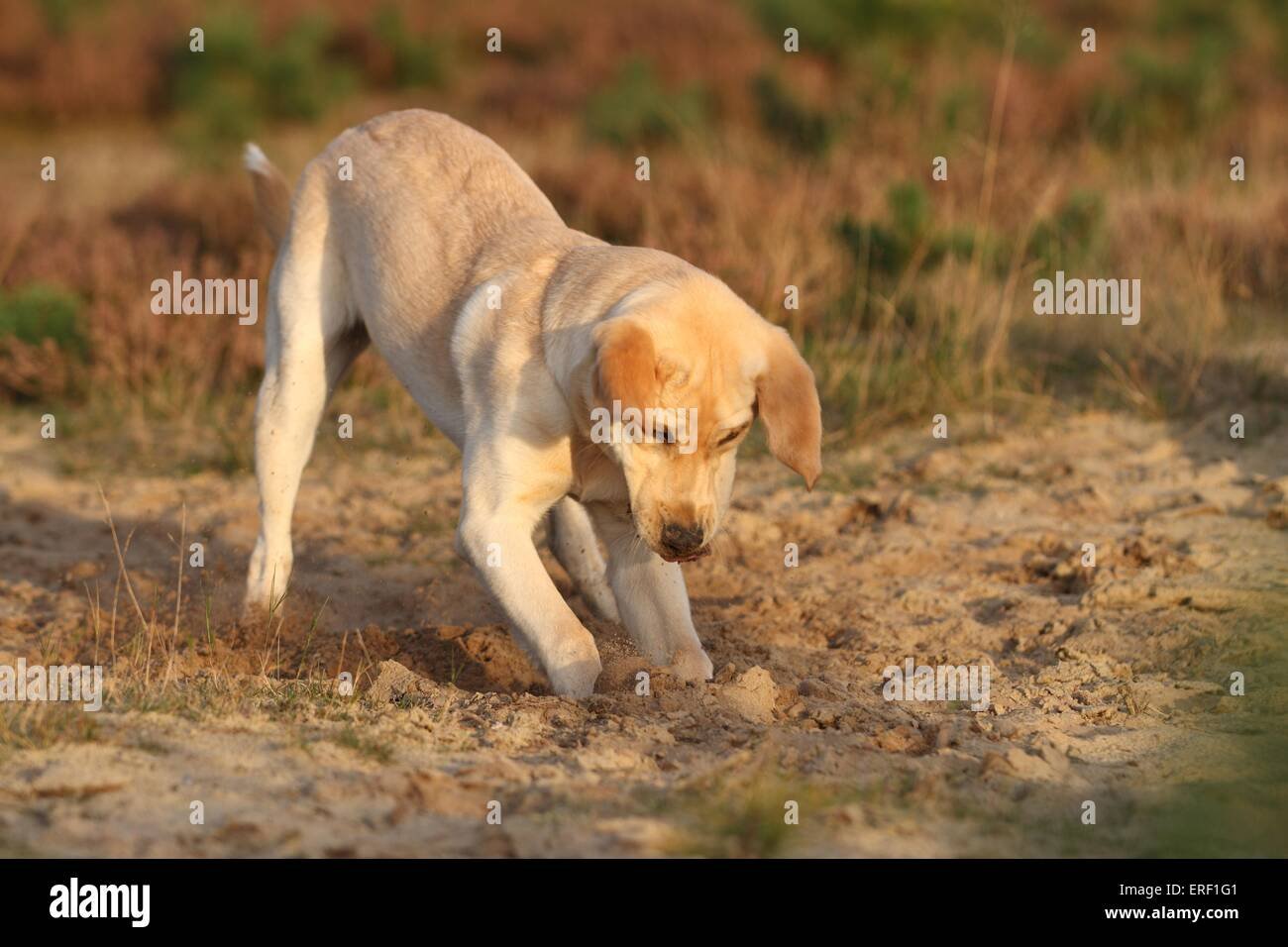
Labrador Retriever digging and natural behaviors are closely connected to the breed’s history as a working retriever. Labs were bred to search, carry, explore, and solve problems. Digging can be one way they use their body and mind.
In my experience studying Labrador behavior, many owners first see digging as a problem. After looking closer, they often find a simple reason behind it. A dog may dig because the soil feels interesting, the weather is warm, or the dog needs more activity.
For American families with yards, gardens, and outdoor spaces, understanding Labrador Retriever digging and natural behaviors helps create a better relationship. The goal is not to remove natural instincts but to guide them safely.

Why Labrador Retrievers Dig: Understanding the Natural Instinct
Labrador Retriever digging and natural behaviors often start with instincts that have existed for generations. Dogs use digging for many reasons, including searching, hiding, cooling down, and creating a comfortable resting place.
A Labrador does not think about digging the same way a person does. The behavior is often rewarding by itself. The feeling of moving soil, finding a smell, or uncovering something interesting can make the activity enjoyable.
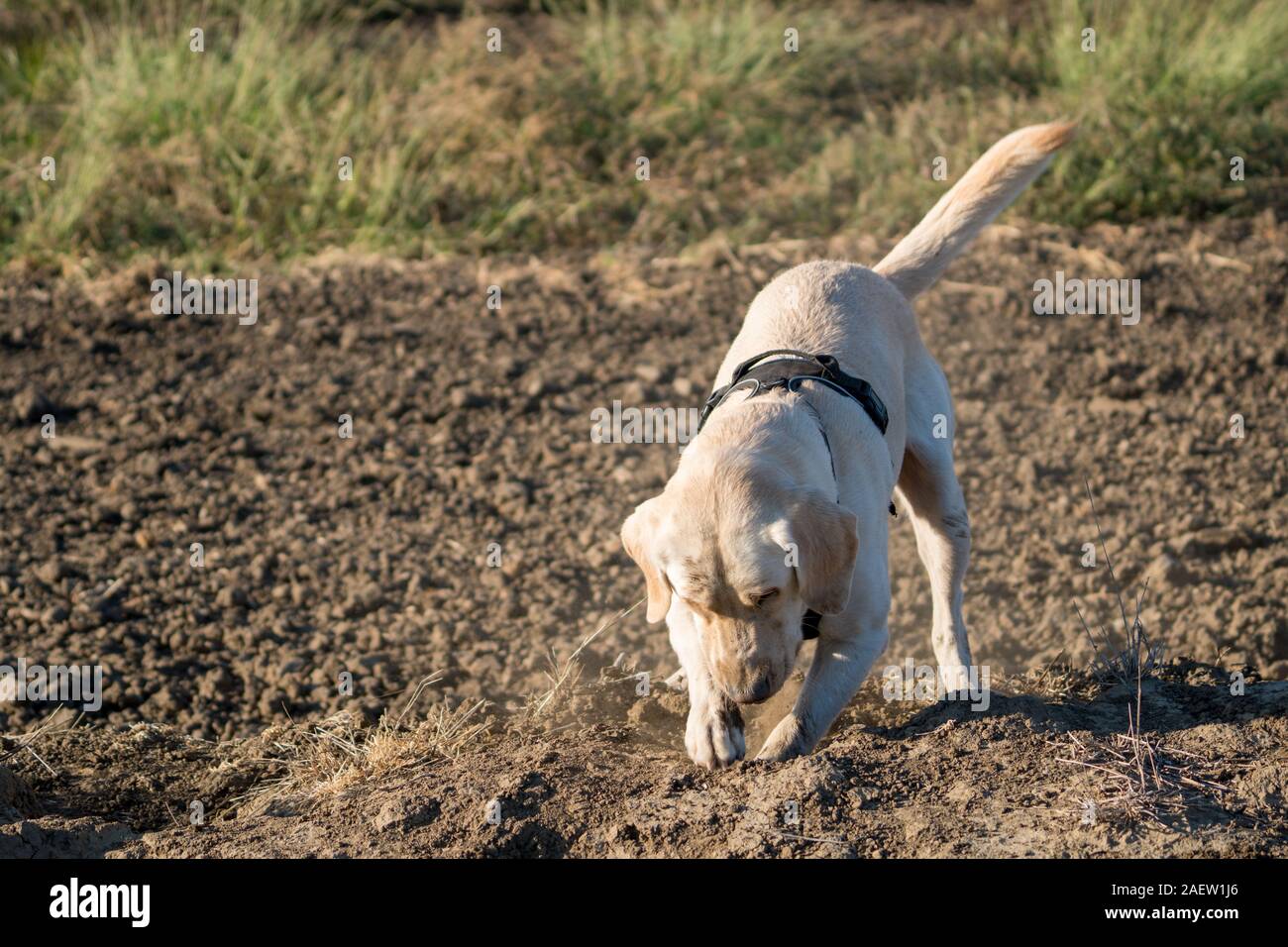
- ✦ Exploration instinct
Labs have strong curiosity. Digging lets them investigate new smells and hidden objects below the surface.
- ✦ Problem solving
Digging gives Labradors a mental challenge because they use their nose, paws, and judgment together.
- ✦ Comfort behavior
Some dogs dig small areas before resting because their ancestors created comfortable sleeping spots this way.
The Retriever Background Behind Digging
Labrador Retrievers were developed to work with hunters and fishermen. Their natural skills include searching, carrying objects, and responding to their environment. These traits can appear today through digging, sniffing, and exploring.
- ✦ Working dog mindset
A Labrador often feels happiest when it has a task, even a simple game or outdoor challenge.
Common Reasons Your Labrador Retriever Digs in the Yard
Labrador Retriever digging and natural behaviors can appear for different reasons. Finding the cause is the first step toward managing the habit.
Many owners try to stop digging without understanding why it happens. A better approach is to watch when and where the digging occurs.

- ✦ Boredom
A Labrador with unused energy may create its own activity by digging holes.
- ✦ Burying objects
Some Labs hide toys, bones, or treats because storing valuable items is a natural dog behavior.
- ✦ Cooling down
Dogs may dig into cooler soil during hot weather to make a comfortable resting area.
- ✦ Following smells
A Labrador’s powerful nose may detect animals, roots, or interesting scents underground.
How to Identify the Trigger
Watch your Labrador before correcting the behavior. A dog that digs near fences may be trying to follow smells or escape. A dog that digs after long periods alone may need more activity and interaction.
- ✦ Observe patterns
Track the time, location, and situation when digging happens.
Is Digging a Bad Behavior for Labrador Retrievers?
Labrador Retriever digging and natural behaviors are not automatically bad. Digging is a normal canine activity. Problems happen when the behavior becomes unsafe or destructive.
A healthy Labrador needs ways to express natural instincts. Completely blocking every natural behavior can create frustration and stress.

- ✦ Normal digging
Digging during play, exploration, or outdoor enrichment is usually harmless.
- ✦ Problem digging
Digging becomes an issue when it damages gardens, threatens escape, or happens from anxiety.
Signs Digging May Need Attention
Constant digging combined with pacing, whining, or destructive habits may show that your Labrador needs changes in routine. More exercise, training, and mental stimulation often help.
- ✦ Stress signals
Repeated digging with anxious body language may require a closer look at emotional needs.
How Exercise and Mental Stimulation Affect Digging
Labrador Retriever digging and natural behaviors are strongly affected by daily activity levels. Labs are energetic dogs that enjoy movement and mental challenges.
A long walk alone may not always meet a Labrador’s needs. Games that use scent, retrieving skills, and problem solving can reduce unwanted digging.
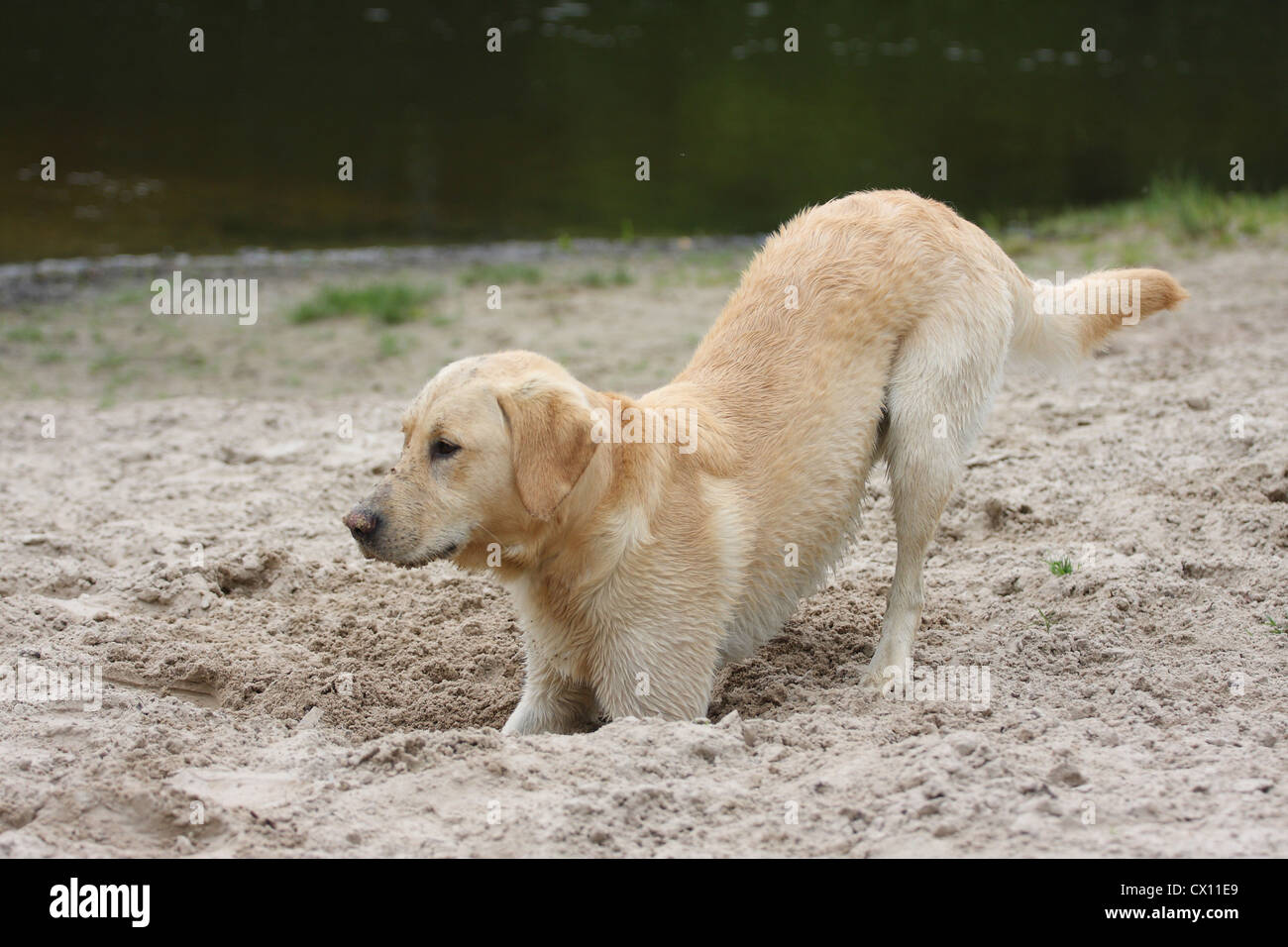
- ✦ Daily physical activity
Regular walks, play sessions, and outdoor activities help reduce extra energy.
- ✦ Brain games
Puzzle toys, scent games, and training sessions give Labradors useful work.
- ✦ Retrieval activities
Fetch and controlled retrieving games match the breed’s natural purpose.
Creating Better Outlets for Natural Behaviors
A Labrador that receives appropriate outlets is more likely to make better choices. Owners can replace unwanted digging with activities that provide the same reward.
- ✦ Digging area
Some families create a safe digging zone where the dog can enjoy the behavior.
Training Tips to Manage Labrador Retriever Digging
Training works best when owners understand Labrador Retriever digging and natural behaviors. Punishment often does not solve the real reason behind digging.
Positive training teaches a Labrador what behavior is wanted. Rewarding calm outdoor choices helps build long-term habits.

- ✦ Redirect the behavior
Move your Labrador toward toys, games, or approved digging areas instead of only saying no.
- ✦ Reward good choices
Praise your dog when it relaxes outdoors without destructive digging.
- ✦ Stay consistent
Clear rules help Labradors understand which outdoor behaviors are acceptable.
Avoiding Common Training Mistakes
Many owners correct digging after the hole is already created. Dogs may not understand the connection. Training should happen during the behavior or before the trigger appears.
- ✦ Focus on prevention
Meeting exercise and enrichment needs reduces many unwanted habits.
