
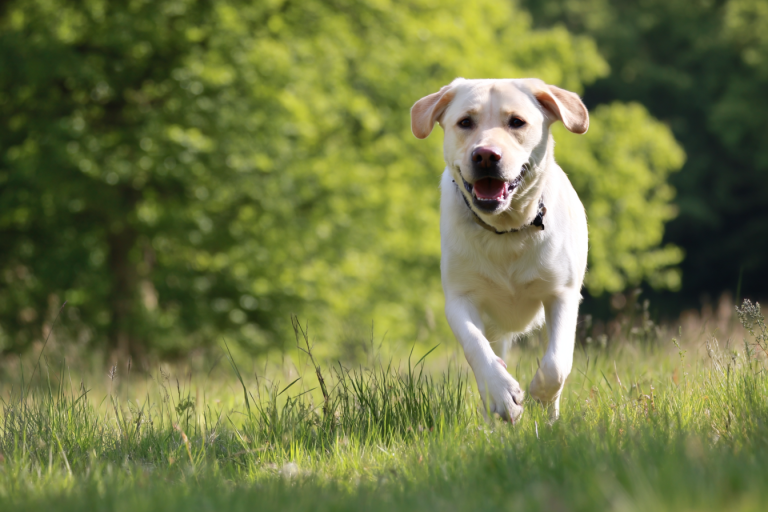
Labrador Retriever exercise and walking requirements are shaped by the breed’s history as an active working dog. Labradors were bred to retrieve game, swim, and work closely with people. Today, they still need movement, training, and play to stay happy.
In my experience studying dog care routines, many Labrador owners focus only on walking time. A complete plan also includes sniffing, training games, swimming, and safe play. A tired Labrador is often a calmer and more balanced family companion.

How much exercise does a Labrador Retriever need every day?
The average adult Labrador Retriever needs around 60 to 90 minutes of exercise each day. This can include walking, running, swimming, retrieving games, and training sessions.
Labrador Retriever exercise and walking requirements are not the same for every dog. A young working-line Labrador may need more activity than a calm older family Labrador.

- ✦ Adult Labradors
Most healthy adult Labradors benefit from two daily walks combined with active play.
- ✦ High-energy Labradors
Some Labradors need extra activities such as swimming, fetch, or advanced training games.
- ✦ Less active Labradors
Older or overweight dogs may need shorter walks with gradual increases.
Why Labradors need regular physical activity
Labradors are naturally energetic and social dogs. Without enough exercise, they may become bored and look for their own activities.
Regular movement helps maintain muscle strength, supports healthy joints, and gives Labradors a positive outlet for their energy.
- ✦ Healthy weight control
Exercise helps reduce the risk of weight gain, which is common in food-loving Labradors.
Labrador walking requirements by age
A Labrador’s exercise needs change as the dog grows. Puppies need controlled activity, adults need consistent movement, and seniors need gentle exercise.
Following age-based Labrador Retriever exercise and walking requirements helps prevent stress on growing bones and aging joints.
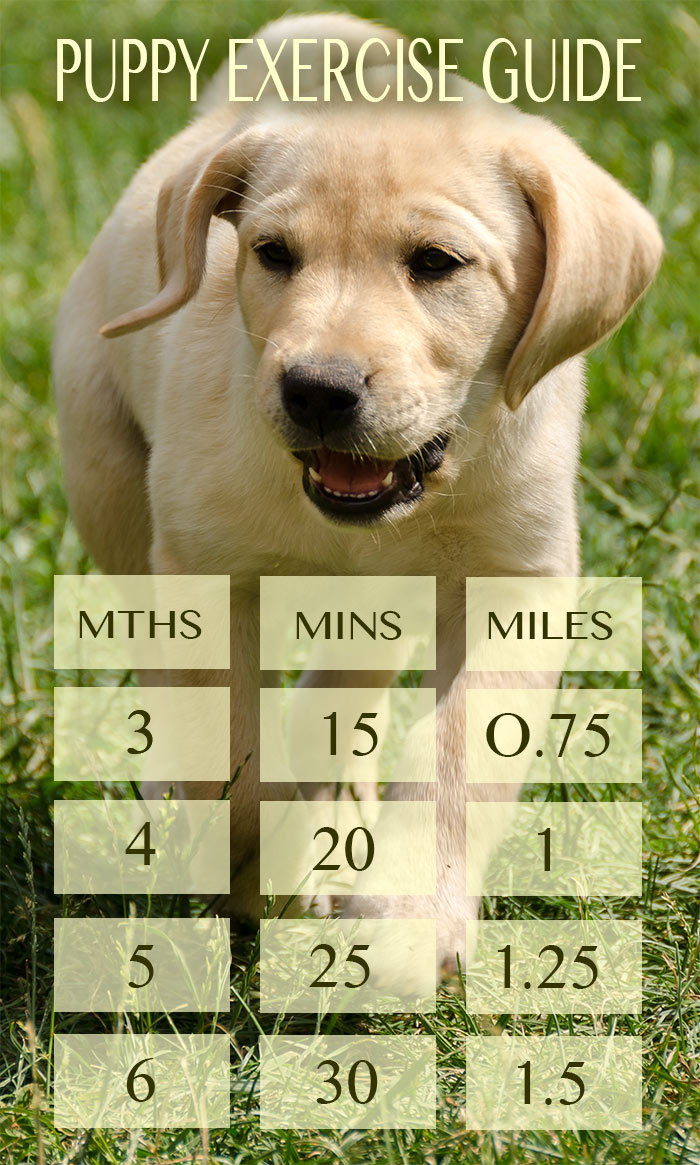
- ✦ Puppies
Young Labradors need short walks, play sessions, and training instead of long-distance exercise.
- ✦ Adults
Adult Labradors usually do well with daily walks and active games.
- ✦ Seniors
Older Labradors often benefit from slower walks and low-impact activities.
Exercise needs for Labrador puppies
Labrador puppies grow quickly, so their exercise should be gentle and controlled. Too much forced running can put pressure on developing joints.
Short walks, free play, and basic training provide enough activity while supporting healthy growth.
- ✦ Safe puppy activities
Use sniff walks, simple games, and short training sessions to build confidence.
The best types of exercise for Labradors
A good Labrador exercise routine combines physical movement and mental challenges. Labradors enjoy activities that allow them to use their natural retrieving skills.
Walking alone may not meet all Labrador Retriever exercise and walking requirements. Adding variety keeps dogs interested and engaged.
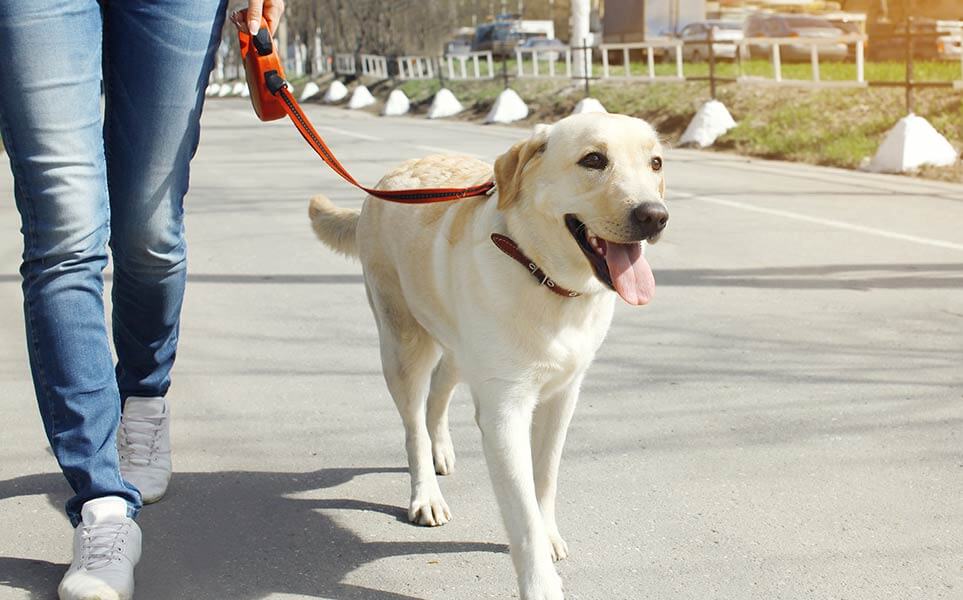
- ✦ Walking
Daily walks provide movement, social exposure, and mental stimulation through new smells.
- ✦ Fetch games
Retrieving games match the Labrador’s natural instincts and provide active play.
- ✦ Swimming
Swimming is a low-impact exercise that many Labradors enjoy.
Mental exercise for Labradors
Labradors need brain work as well as physical exercise. Puzzle toys, obedience training, and scent games can reduce boredom.
A short training session can tire a Labrador mentally while strengthening the bond between dog and owner.
- ✦ Training games
Practice commands, tricks, and problem-solving games during daily routines.
How to create a daily Labrador exercise routine
A consistent schedule makes it easier for Labradors to understand when it is time to play, walk, and relax. Dogs often feel more secure with predictable routines.
The best Labrador Retriever exercise and walking requirements plan fits both the dog’s needs and the owner’s lifestyle.

- ✦ Morning activity
A morning walk can help release energy and prepare your Labrador for a calm day.
- ✦ Evening activity
An evening walk or play session can reduce restlessness before bedtime.
Example daily routine
Many adult Labradors do well with a morning walk, a short training game, and an evening activity session.
Owners should adjust the routine based on weather, health, and the Labrador’s energy level.
- ✦ Balanced schedule
Mix walking, play, rest, and training instead of relying on one type of exercise.
Common exercise mistakes Labrador owners should avoid
Many exercise problems happen when owners increase activity too quickly or ignore the dog’s age and health. A safe routine grows slowly.
Understanding Labrador Retriever exercise and walking requirements helps owners avoid injuries and behavior issues.
- ✦ Too much exercise for puppies
Long runs and intense jumping may place unnecessary stress on developing joints.
- ✦ Ignoring mental stimulation
Physical activity without brain work may leave some Labradors bored.
- ✦ Skipping warm-up and recovery
Gradual activity changes help protect muscles and joints.
