
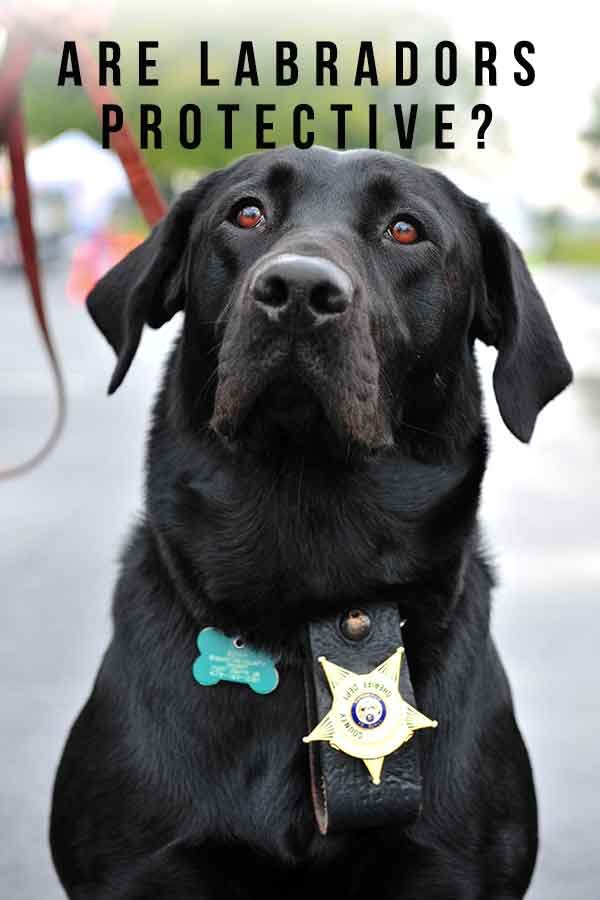
Labrador retriever stranger and protective behavior often surprises new owners because these dogs are known for their friendly nature. In homes across the United States, many Labradors greet visitors with excitement, a wagging tail, and a desire to make a new friend. However, they can still notice unfamiliar people, sounds, and situations.
From years of studying Labrador behavior patterns, one important lesson stands out: a Labrador is not usually a natural guard dog, but it is a highly social and observant companion. Their protective actions often come from their bond with their family, not from a desire to control or threaten others.

Understanding Labrador Retriever stranger and protective behavior
Labrador Retriever stranger and protective behavior begins with understanding the breed’s natural temperament. Labradors were developed as retrieving dogs that worked closely with people. Their history shaped them into cooperative, people-focused animals.
Most Labradors are curious about strangers instead of suspicious. They may walk toward guests, sniff them, bring toys, or seek attention. Still, every dog has a unique personality based on genetics, training, and life experiences.
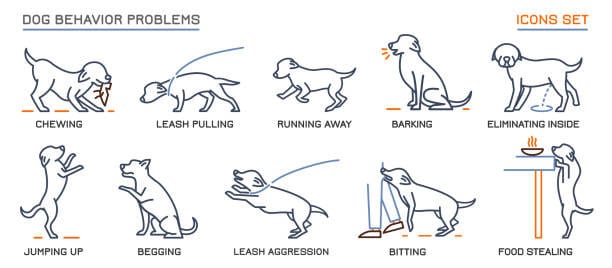
- ✦ Friendly first response
Many Labradors approach new people with excitement because they are naturally social and enjoy human interaction.
- ✦ Alert behavior
Some Labradors bark, watch closely, or stand near family members when they notice something unfamiliar.
- ✦ Family connection
A strong bond with owners can encourage a Labrador to pay more attention to possible risks.
Why Labradors notice strangers
Labradors have strong senses and good awareness of their surroundings. They notice new voices, smells, body language, and changes in daily routines.
This awareness does not always mean fear or aggression. Often, it is simply a Labrador trying to understand what is happening around them.
- ✦ Environmental awareness
Labradors often react because something in their environment feels different from normal.
Are Labrador Retrievers naturally protective dogs?
Labrador Retriever stranger and protective behavior is different from the behavior of traditional protection breeds. Labs usually prefer friendship and cooperation over guarding and confrontation.
A Labrador may protect a person by staying close, barking, or creating awareness. However, most Labradors do not naturally show strong territorial behavior.

- ✦ Protective without aggression
A Labrador may alert its owner without trying to harm or intimidate a stranger.
- ✦ Loyal family companion
Their protective side often appears because they care about their people.
Protection versus guarding
Protection means a dog responds to a situation involving its family. Guarding usually involves defending territory or controlling access. Labradors are more likely to show protective awareness than true guarding behavior.
- ✦ Healthy response
A calm alert followed by owner guidance is a positive behavior pattern.
How Labradors behave around unfamiliar people
Labrador Retriever stranger and protective behavior can appear in many ways. Some Labs immediately greet visitors, while others take time before becoming comfortable.
Owners should look at the full body language of the dog instead of focusing on one action. A bark does not always mean danger, and a wagging tail does not always mean complete comfort.
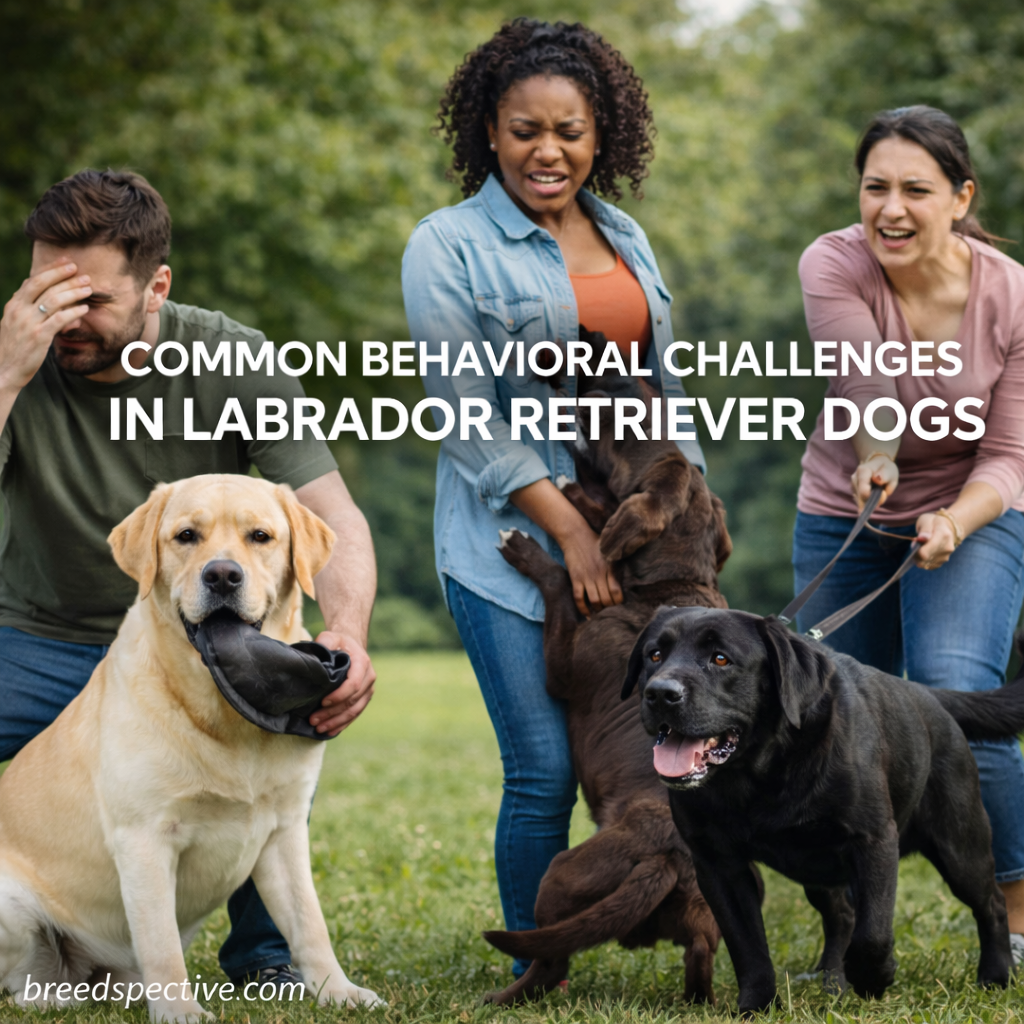
- ✦ Relaxed greeting
A relaxed Labrador may approach with loose body movement and friendly interest.
- ✦ Careful observation
Some Labs watch strangers from a distance before deciding how to respond.
- ✦ Stress signals
Avoiding eye contact, hiding, stiffness, or repeated barking can show discomfort.
Reading Labrador body language
Learning canine body language helps owners understand Labrador reactions. Small signals like ear position, posture, and movement can reveal how a dog feels.
- ✦ Observe patterns
Look at repeated behavior instead of judging a single moment.
Factors that influence Labrador protective behavior
Labrador Retriever stranger and protective behavior changes based on many factors. Age, training, social experiences, health, and environment all shape how a Labrador reacts.
A well-socialized Labrador often learns that new people are normal. A Labrador with limited exposure may feel uncertain around strangers.
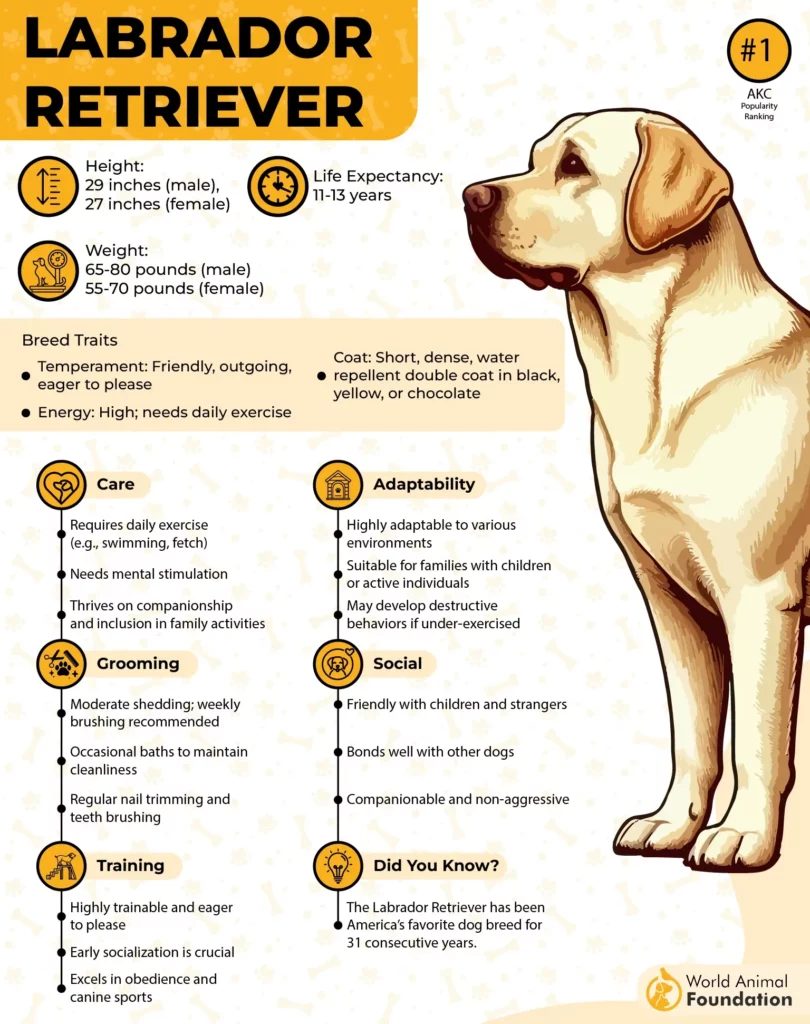
- ✦ Early socialization
Meeting different people, places, and sounds during puppyhood can build confidence.
- ✦ Training history
Positive training teaches Labradors how to respond calmly.
- ✦ Owner behavior
Dogs often notice human emotions and may react when owners appear nervous.
The role of genetics and personality
Every Labrador has an individual personality. Some are naturally outgoing, while others are more cautious. Responsible breeding and good early care can influence confidence levels.
- ✦ Individual differences
Two Labradors from the same litter may respond differently to strangers.
Training a Labrador to respond safely to strangers
Training is the key to healthy Labrador Retriever stranger and protective behavior. The goal is not to remove awareness but to teach better choices.
American families often benefit from simple daily practice. A Labrador that learns calm greetings becomes easier to manage at home, parks, and public spaces.
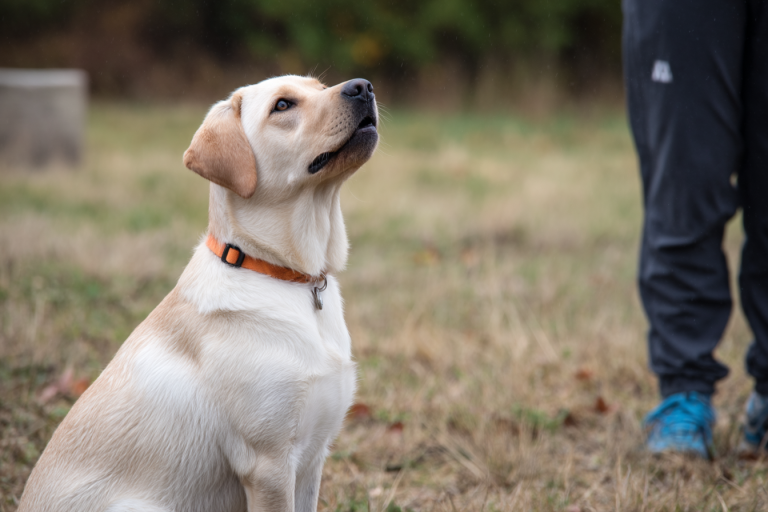
- ✦ Reward calm behavior
Give praise when your Labrador stays relaxed around new people.
- ✦ Teach basic cues
Commands like sit, stay, and come help owners guide reactions.
- ✦ Avoid punishment
Harsh corrections can increase fear and create more unwanted reactions.
Building confidence through social exposure
Controlled exposure helps Labradors understand that strangers are not automatically a threat. Introduce new situations slowly and reward positive responses.
- ✦ Slow introductions
Allow your Labrador to approach new people at a comfortable pace.
