
Understanding Poodle lifespan and age-related changes helps owners make better choices throughout their dog’s life. A Poodle does not become old overnight. Changes happen slowly, from puppy growth and adult stability to senior health needs.
In my experience researching dog breeds and writing care guides, the biggest difference between a healthy aging Poodle and a struggling senior dog often comes from early habits. Regular vet visits, balanced food, mental stimulation, and daily movement can make a major difference.

How long do Poodles live on average?
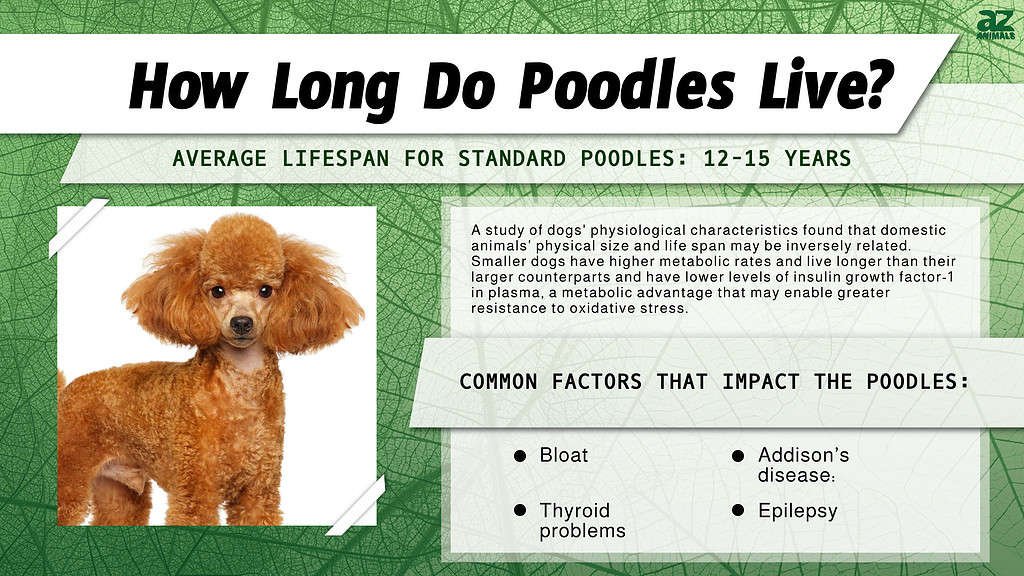
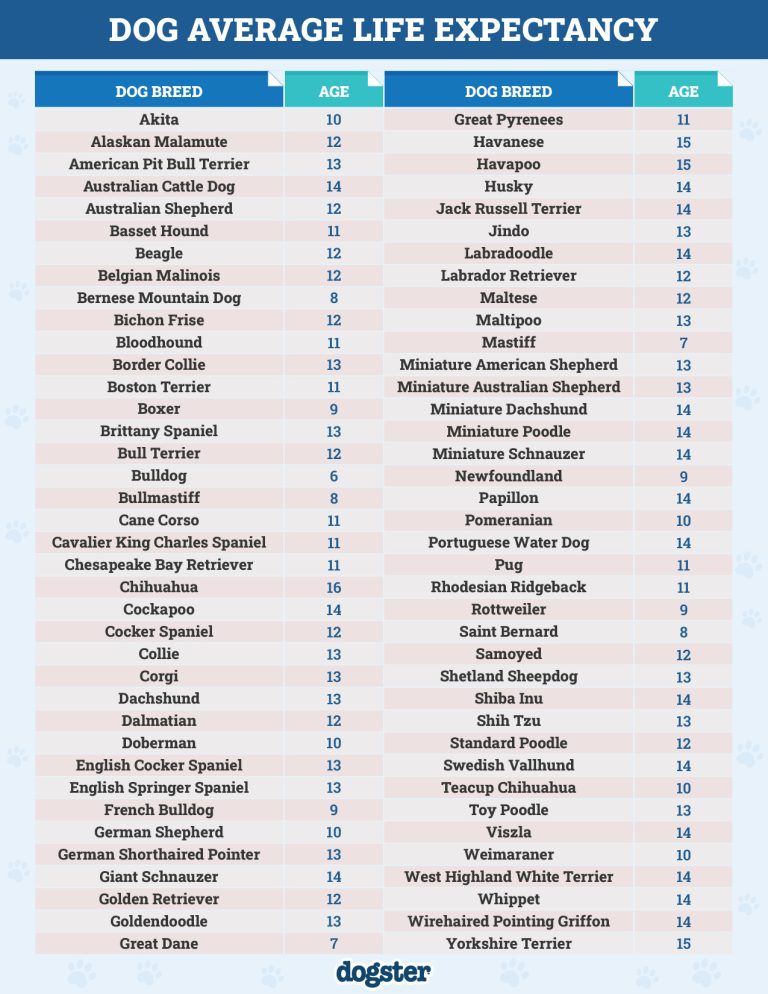
The average Poodle lifespan is commonly around 12 to 15 years. Some healthy Poodles live beyond this range, especially when they receive strong preventive care and have good genetics.
Poodle lifespan and age-related changes can differ based on size. Smaller Poodles often live slightly longer than larger varieties because smaller dogs usually age more slowly.
- ✦ Toy Poodle lifespan
Toy Poodles often live around 14 to 17 years when they receive proper nutrition, dental care, and regular veterinary support.
- ✦ Miniature Poodle lifespan
Miniature Poodles commonly reach about 13 to 16 years, depending on genetics and lifestyle.
- ✦ Standard Poodle lifespan
Standard Poodles often live around 12 to 15 years and may show aging signs earlier than smaller Poodles.
Why Poodles often have long lifespans
Poodles benefit from being an active and intelligent breed. Their natural curiosity encourages movement and learning throughout life.
However, intelligence alone does not guarantee a long life. Owners must support healthy weight, regular exercise, dental health, and early detection of medical problems.
Poodle lifespan and age-related changes by life stage
A Poodle’s life can be divided into several stages. Each stage brings different physical and behavioral changes.
Knowing what to expect allows owners to adjust care before problems become serious.

- ✦ Puppy stage
Poodles grow quickly during the first year and need proper nutrition, training, socialization, and safe exercise.
- ✦ Adult stage
Adult Poodles usually have stable energy levels and benefit from consistent routines and preventive health care.
- ✦ Senior stage
Senior Poodles may experience slower movement, vision changes, dental issues, and changes in sleep patterns.
Puppy growth and early development
During puppyhood, Poodles build their bones, muscles, confidence, and social skills. Good habits created during this period influence later health.
Puppies need controlled exercise because their bodies are still developing. Too much intense activity can place stress on growing joints.
Adult Poodle maturity
Adult Poodles usually reach physical maturity between one and two years, depending on their size. They often remain playful and mentally sharp for many years.
Many owners notice that adult Poodles become calmer while keeping their love for games, training, and human interaction.
Common physical changes as Poodles age
Poodle lifespan and age-related changes become more noticeable as dogs enter their senior years. These changes are usually gradual and can be managed with proper care.
Aging does not mean a Poodle must stop enjoying life. Many senior Poodles continue to play, learn, and bond strongly with their families.
- ✦ Lower energy levels
Older Poodles may prefer shorter walks and more rest periods while still needing regular movement.
- ✦ Joint changes
Some senior Poodles develop stiffness or reduced mobility due to normal aging or joint conditions.
- ✦ Sensory changes
Hearing and vision may decline slowly, requiring safer home environments.
Weight and metabolism changes
Older Poodles often burn fewer calories than younger dogs. Keeping the same food amount can lead to weight gain.
Extra weight places more pressure on joints and may affect mobility. Regular weight checks help owners adjust meals when needed.
Health concerns linked with aging Poodles
As Poodles age, certain health concerns become more common. Regular veterinary exams help identify problems early.
Poodle lifespan and age-related changes are influenced by both inherited risks and daily care choices.

- ✦ Dental problems
Small Poodles especially may develop dental issues because their teeth are crowded and need regular cleaning.
- ✦ Eye conditions
Some aging Poodles experience vision problems that require veterinary evaluation.
- ✦ Hormonal and organ changes
Older dogs may develop conditions affecting the kidneys, liver, or hormone balance.
How to support a longer and healthier Poodle life
The best way to support Poodle lifespan and age-related changes is to build healthy routines early. Prevention is usually easier than treating advanced problems.
American Poodle owners can improve their dog’s quality of life by combining veterinary care with daily attention at home.

- ✦ Provide balanced nutrition
Choose food that matches your Poodle’s age, size, activity level, and health needs.
- ✦ Maintain regular exercise
Daily walks, play sessions, and training games support both physical and mental health.
- ✦ Schedule wellness visits
Routine exams help detect age-related problems before they become severe.
- ✦ Protect mental health
Puzzle toys and learning activities help older Poodles stay engaged.
Creating a comfortable senior environment
Senior Poodles often benefit from simple home changes. Soft bedding, easier access to food and water, and safer floors can improve daily comfort.
Owners should also watch for behavior changes because they may signal pain, confusion, or health problems.
Signs your Poodle is entering the senior years
Many Poodles begin showing senior signs around seven to ten years old, although the timing depends on size and individual health.
Recognizing these changes helps owners provide better support instead of assuming normal aging problems should be ignored.
- ✦ More sleeping
Senior Poodles may sleep longer but should still show interest in family activities.
- ✦ Slower movement
Difficulty climbing stairs or jumping may indicate the need for lifestyle adjustments.
- ✦ Behavior changes
New anxiety, confusion, or unusual habits should be discussed with a veterinarian.
