
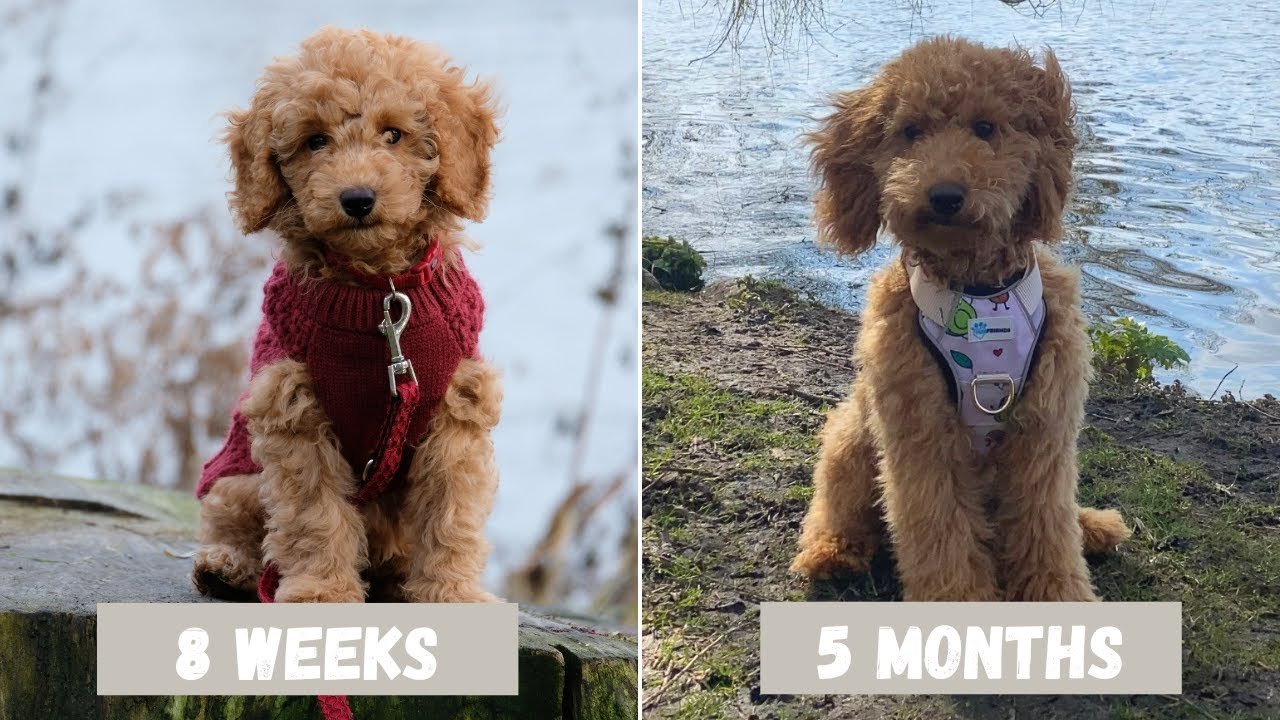
Understanding Poodle puppy development and milestones helps owners provide the right care at the right time. A puppy that receives proper nutrition, gentle training, and positive experiences often grows into a confident adult dog.
Many new Poodle owners in the United States ask when their puppy will stop growing, start learning commands, or become independent. From my experience studying puppy behavior, the first year creates the foundation for a Poodle’s personality, habits, and relationship with people.

Understanding the main stages of Poodle puppy development
Poodle puppy development and milestones happen in several stages. Each stage includes changes in body growth, senses, emotions, and learning ability.
A Toy, miniature, or Standard Poodle may grow at different speeds, but all puppies follow similar early development patterns.

- ✦ Newborn stage
Birth to about two weeks focuses on feeding, warmth, and basic survival needs.
- ✦ Early puppy stage
Two to eight weeks includes rapid learning from the mother and littermates.
- ✦ Young puppy stage
Eight weeks and beyond brings training, social learning, and independence.
Birth to two weeks
Newborn Poodle puppies cannot see or hear at first. They depend on their mother for warmth, milk, and safety.
During this time, healthy weight gain is one of the most important early milestones.
Two to eight weeks
Puppies begin walking, playing, exploring, and learning social rules. Gentle handling during this period helps build trust.
Poodle puppy growth timeline from 8 weeks to adulthood
The eight-week mark is a major milestone because many Poodle puppies join their new families around this age. Owners begin shaping routines, manners, and confidence.
Poodle puppy development and milestones between two months and one year include fast changes in size, energy, and learning skills.

- ✦ 8 to 12 weeks
Puppies learn house rules, basic cues, and safe exposure to new people and places.
- ✦ 3 to 6 months
Puppies become more active and may test boundaries while learning self-control.
- ✦ 6 to 12 months
Many Poodles reach teenage behavior and continue improving training skills.
When do Poodles reach adult size?
Toy Poodles often mature earlier than larger varieties. Standard Poodles usually need more time to reach their full frame.
Growth depends on genetics, diet, exercise, and overall health.
Mental development and learning milestones in Poodle puppies
Poodles are known for their intelligence and ability to learn patterns quickly. Mental development is a major part of Poodle puppy development and milestones.
Owners should provide simple challenges, rewards, and daily interaction to support healthy brain growth.

- ✦ Name recognition
Most puppies can begin learning their name through short positive sessions.
- ✦ Basic commands
Sit, stay, come, and leash skills develop through repetition and patience.
Building confidence through training
Short training sessions work best because young puppies have limited focus. Positive methods help create trust and motivation.
Social development and behavior milestones
Social learning is a key part of Poodle puppy development and milestones. Puppies need safe experiences with people, sounds, surfaces, and other animals.
A well-socialized Poodle often handles new situations with more confidence.

- ✦ Early social exposure
Introduce new experiences slowly and reward calm behavior.
- ✦ Family bonding
Daily interaction helps puppies build strong relationships with their owners.
Health, nutrition, and care milestones for growing Poodles
Healthy growth requires balanced food, veterinary care, grooming, and proper exercise. These factors directly affect Poodle puppy development and milestones.
American Poodle owners should follow their veterinarian’s advice for vaccines, parasite prevention, and diet choices.

- ✦ Veterinary visits
Regular checkups help track growth and identify problems early.
- ✦ Grooming habits
Early grooming practice helps puppies accept brushing, bathing, and handling.
Exercise needs during growth
Young Poodles need activity, but growing joints need protection. Short play sessions are usually better than intense exercise.
