
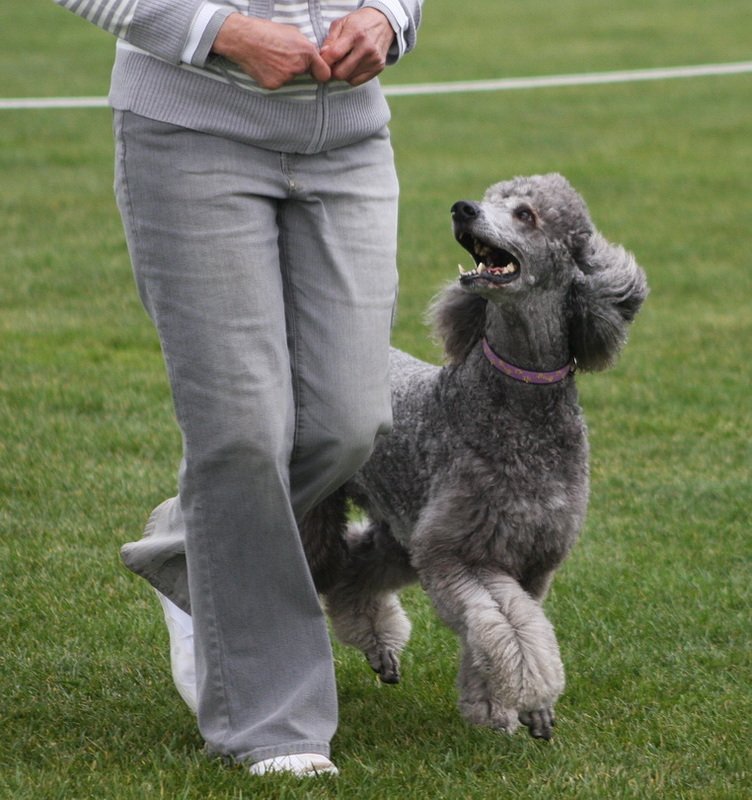
Poodle trainability and obedience are among the breed’s most impressive qualities. Poodles are known for their sharp minds, quick learning ability, and strong desire to work with people. In homes across the United States, they often succeed as family pets, service dogs, therapy dogs, and competition dogs.
From my experience studying dog behavior, the best results come when owners treat training as a daily relationship, not a short lesson. A Poodle learns best when training feels rewarding, clear, and enjoyable.
While Poodles are naturally smart, intelligence alone does not create perfect behavior. They still need patience, structure, and early guidance to become calm and reliable companions.

Why Poodle trainability and obedience are considered exceptional
Poodle trainability and obedience are strongly connected to the breed’s intelligence and working history. Poodles were originally developed as water retrievers, which required focus, problem-solving skills, and cooperation with humans.
Today, many owners notice that Poodles quickly understand new commands and routines. They often remember patterns after only a few practice sessions, especially when training uses rewards and clear communication.

- ✦ Fast learning ability
Poodles can understand new behaviors quickly because they pay close attention to their owners and enjoy mental tasks.
- ✦ Strong human connection
Poodles often work hard to please their families, making them responsive during obedience training.
- ✦ Problem-solving skills
Their curiosity helps them solve puzzles and learn advanced behaviors.
Poodle intelligence and learning style
A Poodle’s intelligence affects how they learn commands, routines, and household rules. They usually respond well when training sessions are short, positive, and repeated often.
However, smart dogs can also become bored. A Poodle that lacks mental stimulation may create its own activities, which can include unwanted behaviors.
How easy is it to train a Poodle?
Many owners find Poodles easier to train than many other breeds because they enjoy learning and working with people. Basic skills like sit, stay, come, and leash manners can often be taught with regular practice.
Poodle trainability and obedience depend on more than breed traits. The owner’s consistency, timing, and training approach play a major role in the final results.

- ✦ Start early
Puppy training helps build good habits before unwanted behaviors become stronger.
- ✦ Keep sessions short
Short training periods help maintain focus and prevent boredom.
- ✦ Reward good choices
Treats, praise, and play help Poodles understand which behaviors are desired.
Best training methods for Poodle obedience
Positive reinforcement is one of the most effective methods for improving Poodle obedience. This approach rewards correct behavior instead of focusing on punishment.
Poodles are sensitive dogs. Harsh methods can reduce trust and make training harder. Calm guidance helps build confidence and better long-term results.

- ✦ Use rewards
Give treats, praise, or playtime when your Poodle follows a command correctly.
- ✦ Use clear commands
Simple words and consistent signals make learning easier.
- ✦ Practice daily
Regular training keeps skills strong and prevents forgetting.
Training games that improve obedience
Games like hide-and-seek, puzzle toys, and recall exercises help Poodles use their minds. These activities combine fun with important obedience practice.
Many professional trainers use play-based methods because they keep intelligent dogs engaged.
Common Poodle training challenges and how to solve them
Even highly intelligent dogs can have training challenges. Poodles may become stubborn when they feel bored, confused, or under-stimulated.
Understanding the reason behind a behavior makes correction easier. Most issues improve when owners adjust routines and provide better communication.
- ✦ Barking
Teach quiet commands and provide enough exercise and mental activities.
- ✦ Separation issues
Gradual alone-time training can help Poodles feel comfortable when owners leave.
- ✦ Jumping
Reward calm greetings and avoid encouraging excited jumping.
Training differences between Toy, Miniature, and Standard Poodles
All Poodle sizes share similar intelligence and learning ability, but their training needs can differ. Standard Poodles often enjoy larger activities, while Toy Poodles may need extra focus on confidence and social skills.
Miniature Poodles often balance energy and size, making them popular for families who want an active but manageable companion.
- ✦ Toy Poodle
Needs gentle training and strong socialization because of its small size.
- ✦ Miniature Poodle
Often enjoys active training and interactive games.
- ✦ Standard Poodle
Benefits from advanced obedience, exercise, and challenging tasks.
