
Reptile calcium deficiency causes weak bones, tremors, and metabolic bone disease in captive reptiles.
I have treated dozens of cases of reptile calcium deficiency over ten years in clinics and rescues, and I know how quickly subtle signs can get serious. This article explains reptile calcium deficiency clearly and practically. You will learn what it is, why it happens, how to spot it early, and how to treat and prevent it with real-world tips from my experience. Read on to protect your pet and feel confident caring for reptiles prone to calcium problems.
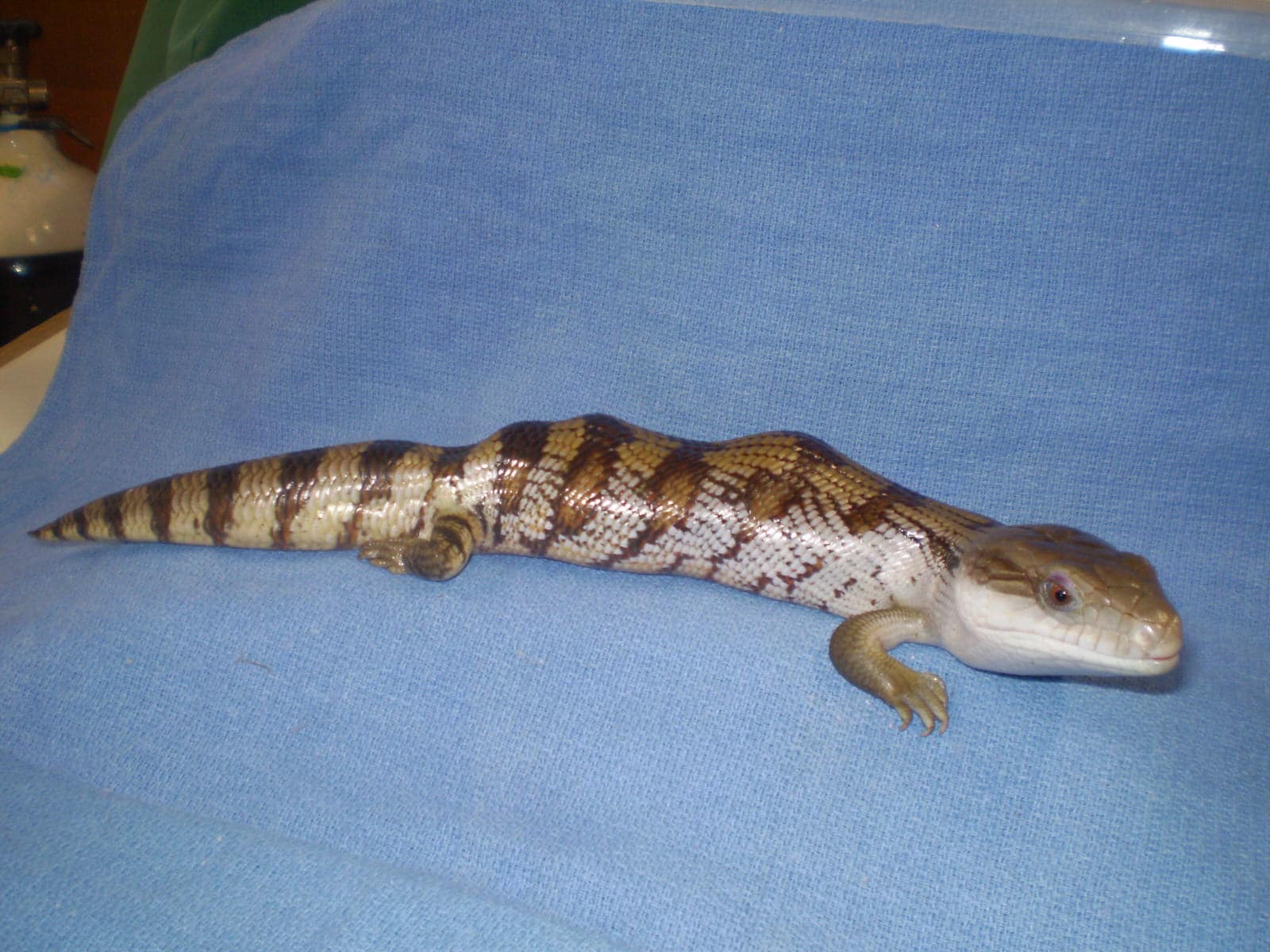
What is reptile calcium deficiency?
Reptile calcium deficiency occurs when a reptile’s body lacks enough usable calcium. Calcium controls bone strength, muscle function, nerve signals, and egg production. Without enough calcium, reptiles develop metabolic bone disease, tremors, soft jaw, and weak limbs. This condition is common in bearded dragons, ball pythons, geckos, iguanas, and other popular pets.
Signs can be subtle early on. Owners often miss slow weight loss, reduced appetite, or mild stiffness. If untreated, the problem becomes painful and life-threatening. Understanding the basics helps you catch issues early and act fast.
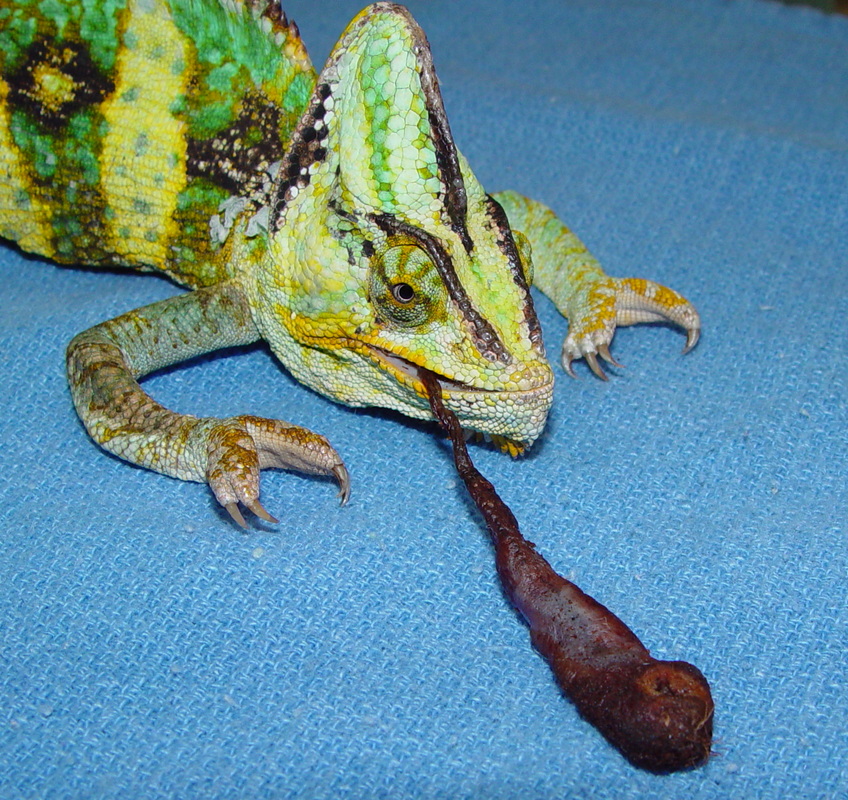
Causes and risk factors
Several things cause reptile calcium deficiency. Poor diet is the top cause. Many captive reptiles eat food low in calcium or with the wrong calcium:phosphorus balance. Lack of UVB light or inadequate vitamin D3 stops reptiles from absorbing calcium even when it is present.
Other risk factors include:
- Improper supplementation
- Too much phosphorus from certain foods
- Inadequate heating and poor husbandry
- Rapid growth stages or egg-laying in females
- Underlying illnesses that affect absorption
From my experience, new owners often rely on pellets or gut-loaded feeders without checking mineral content. I once treated a juvenile bearded dragon that developed severe bone softening after months on a mainly lettuce-based diet. Simple diet fixes and UVB solved the problem once it was caught.

Signs and symptoms to watch for
Symptoms vary by species and disease stage. Early signs are often mild and easy to miss. Watch for:
- Weak or twitching limbs
- Soft jaw or “rubber jaw”
- Difficulty climbing or righting
- Loss of appetite and weight loss
- Lethargy and tremors
Severe or chronic reptile calcium deficiency can cause:
- Deformed or bowed limbs
- Fractures from minor trauma
- Egg binding in females
- Respiratory problems and paralysis
Always compare behavior to your pet’s normal routine. Small changes often come first. If you see any of the above, contact a reptile vet quickly.
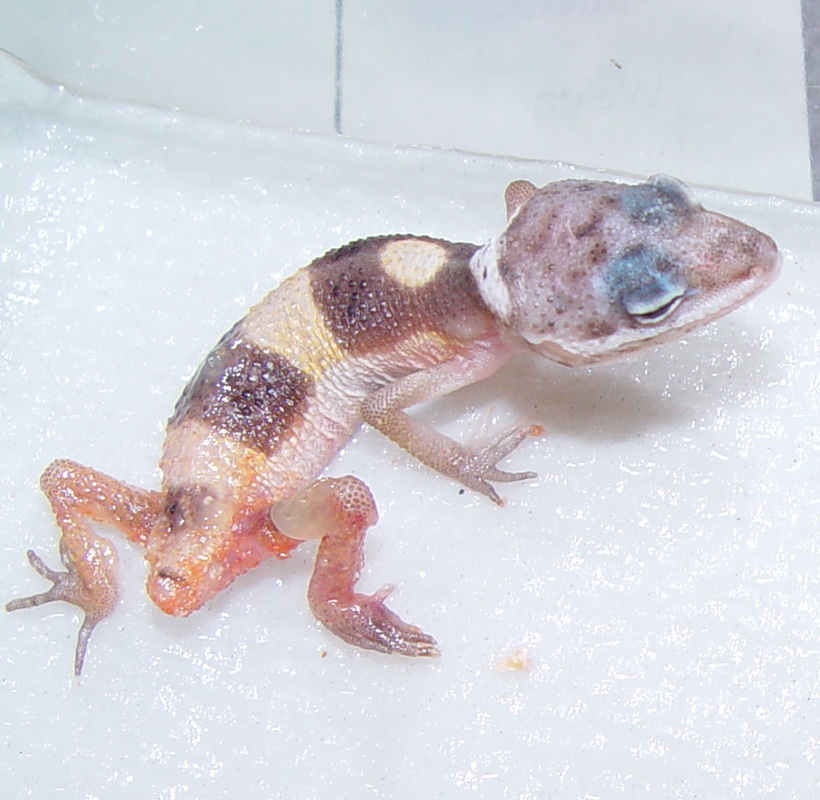
Diagnosis and veterinary tests
A vet will combine clinical signs with tests to confirm reptile calcium deficiency. Typical diagnostics include:
- Blood tests for calcium, phosphorus, and vitamin D metabolites
- Radiographs to check bone density and fractures
- Physical exam for jaw and limb deformities
- History of diet, lighting, and husbandry
Blood calcium can be low even when total body calcium is low. Imaging helps assess long-term bone changes. Early lab work and x-rays give the best chance for a successful outcome.

Treatment and management
Treatment depends on severity. Acute cases need immediate veterinary care. The vet may give:
- Injectable calcium to correct low serum calcium
- Fluid therapy if dehydrated
– Analgesics for pain - Nutritional support and refeeding when safe
Ongoing care includes:
- Oral calcium supplements with proper dosing
- Correct UVB lighting and controlled vitamin D3 exposure
- Diet changes to boost calcium-rich foods and correct calcium:phosphorus ratios
- Monitoring weight, stool, and activity daily
Practical tips from my work:
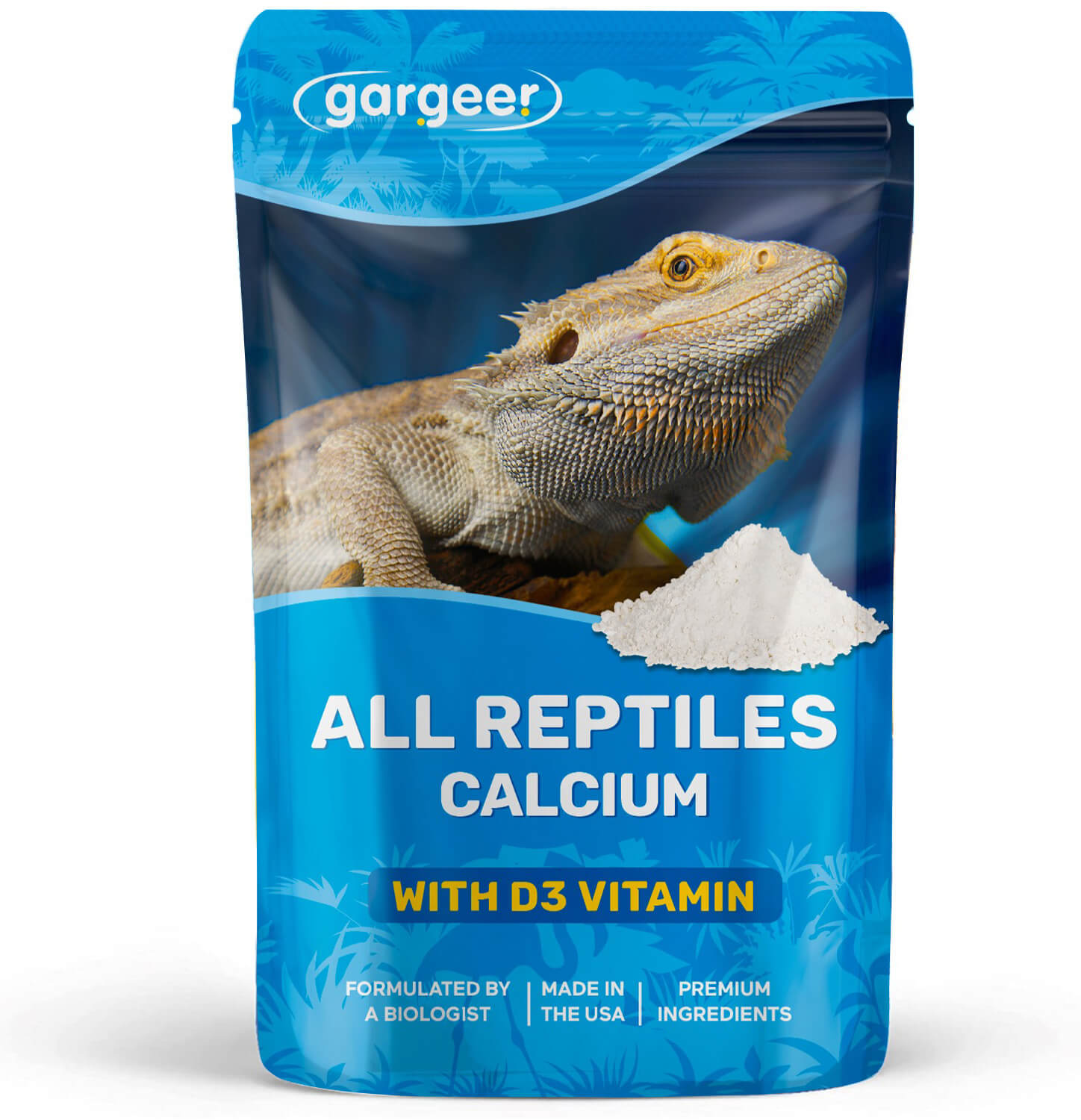
- Use a reptile-specific calcium supplement. Dust feeders appropriately and rotate products.
- Do not overdose vitamin D3 without vet guidance; too much can cause toxicity.
- Keep clear, labeled records of supplements and light changes so you and your vet can track progress.
Quick questions about treatment (PAA-style)
How fast does treatment work?
With prompt care, blood calcium may rise in hours and clinical improvement in days, while bone healing takes weeks to months.
Can oral supplements fix severe cases at home?
Severe cases need veterinary injections and monitoring. Oral supplements help long-term but are not a substitute for emergency care.
Should I stop vitamin D3 supplements if my reptile has issues?
Do not change vitamin D3 dosing without a vet. Stopping or doubling doses can both be harmful depending on the case.

Prevention and long-term care
Prevention is the best approach for reptile calcium deficiency. Key measures:
- Provide a balanced diet tailored to species and life stage.
- Offer regular UVB lighting appropriate for your reptile.
- Maintain proper heating gradients so digestion works well.
- Use calcium supplementation and gut-loaded feeder insects.
- Monitor growth, weight, and behavior regularly.
Simple daily routines make a big difference. I recommend keeping a basic care log. Record feeding, supplements, and light bulb changes. This habit helped me catch a slow calcium decline in a rescue iguana before deformities appeared.

Nutrition and supplementation specifics
Focus on foods and supplements that support calcium health. Tips include:
- Feed calcium-rich greens and appropriate insects or prey items.
- Gut-load insects with calcium-rich diets 24 hours before feeding.
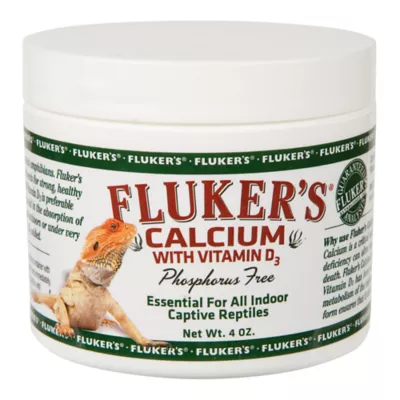
- Dust feeders with calcium powder; use no-phosphorus formulations when possible.
- Balance calcium to phosphorus; ideal is often near 2:1 calcium:phosphorus for many species.
- Use UVB bulbs matched to enclosure size and replace bulbs per manufacturer timelines.
Avoid foods high in oxalates or phosphorus as staples. Rotate supplements and check labels for vitamin D3 amounts.
My experience: mistakes and lessons learned
I once treated three juvenile bearded dragons from the same breeder. All had mild deformities from low calcium exposure during growth. Lessons I learned:
- Early intervention prevents permanent deformity.
- Owners often underestimate UVB placement and bulb aging.
- Clear feeding guidelines and routine vet checks cut disease rates.
A simple protocol I use with new owners:
- Daily calcium dusting for young reptiles.
- Weekly multivitamin containing trace minerals.
- Replace UVB at six months for strong bulbs; check with a UV meter if possible.
These steps are low cost and highly effective.
Related concepts and when to seek help
Reptile calcium deficiency links to metabolic bone disease, vitamin D3 deficiency, and nutritional secondary hyperparathyroidism. Seek veterinary help when:
- Any tremors, swelling, or limb weakness appears
- Your reptile stops eating for more than a day or two
- Eggs are stuck or your female shows straining
- Fractures or deformities are visible
Early vet involvement reduces long-term damage and costs. Timely x-rays and blood tests guide safe treatment.
Frequently Asked Questions of reptile calcium deficiency
What causes reptile calcium deficiency most often?
Poor diet and lack of proper UVB lighting are the most common causes. Both factors prevent absorption and use of calcium.
Can reptile calcium deficiency be reversed?
Mild to moderate cases can improve with prompt treatment, better diet, and correct lighting. Severe deformities may be permanent and need long-term management.
How do I dose calcium for my reptile?
Dosage depends on species, size, and life stage. Follow product directions and your vet’s guidance to avoid under- or overdosing.
Is UVB necessary for all reptiles?
Most diurnal reptiles need UVB to synthesize vitamin D3 and absorb calcium. Some nocturnal species may need different care; consult a reptile vet for specifics.
How often should I replace UVB bulbs?
Replace reptile UVB bulbs per the manufacturer’s timeline, often every 6–12 months. Bulbs lose output before visible light fades, reducing effectiveness.
Can I use human supplements for my reptile?
Avoid human supplements unless prescribed by a vet. Human formulations may contain wrong doses or additives harmful to reptiles.
Are some species more prone to calcium deficiency?
Yes. Fast-growing juveniles, gravid females, and species like green iguanas and bearded dragons are at higher risk. Tailor care to species needs.
What home changes help immediately if I suspect deficiency?
Increase accessible calcium, improve UVB exposure, and schedule an urgent vet visit. Do not give large doses of vitamin D3 without professional advice.
Conclusion
Reptile calcium deficiency is common but preventable with good diet, correct UVB, and attentive care. Spotting early signs and acting fast can reverse problems and avoid lifelong issues. Use the practical tips here, keep a care log, and consult a reptile vet at the first sign of trouble. Start today by reviewing your pet’s diet, checking UVB age, and planning a vet checkup if you see any warning signs. Share your experiences, subscribe for more reptile care guides, or leave a question below.
