
Reptile fecal testing finds parasites and pathogens from a stool sample to guide treatment.
I have worked with reptile clinics and labs for years, so I know how vital reptile fecal testing is for pet health and human safety. This guide explains what reptile fecal testing is, when to use it, how labs run tests, how to collect samples, how to read results, and practical steps you can take today. Read on to learn clear, usable advice that I use in my own practice and recommend to fellow keepers.
What is reptile fecal testing?
Reptile fecal testing is a set of lab methods that analyze stool.
Tests look for parasites, protozoa, bacterial pathogens, and eggs.
Results help vets decide treatment and improve husbandry.
Why reptile fecal testing matters
Testing finds hidden infections before they get worse.
It protects your reptile and reduces risk to people who live with them.
Regular reptile fecal testing helps track treatment success and lowers spread.
Common parasites and pathogens detected by reptile fecal testing
- Nematodes (roundworms) – eggs show on flotation tests and need deworming.
- Cestodes (tapeworms) – segments or eggs may appear in stool.
- Coccidia and Isospora – protozoa that cause diarrhea and weight loss.
- Giardia and flagellates – can cause gut upset and need targeted drugs.
- Cryptosporidium – hard to detect by routine float; PCR or acid-fast tests help.
- Bacteria such as Salmonella – culture or PCR can confirm zoonotic risk.

When to test your reptile
Test new reptiles before adding them to a collection.
Test any reptile with diarrhea, weight loss, or poor appetite.
Test before breeding, after treatment, and during routine health checks.
How often should I test? (PAA-style)
A common schedule is at intake and then every 6–12 months for healthy adults. Test sooner for sick or young animals.
Can reptiles transmit parasites to people? (PAA-style)
Yes. Salmonella and some parasites can infect people. Good hygiene and testing reduce that risk.
How reptile fecal testing works: methods explained
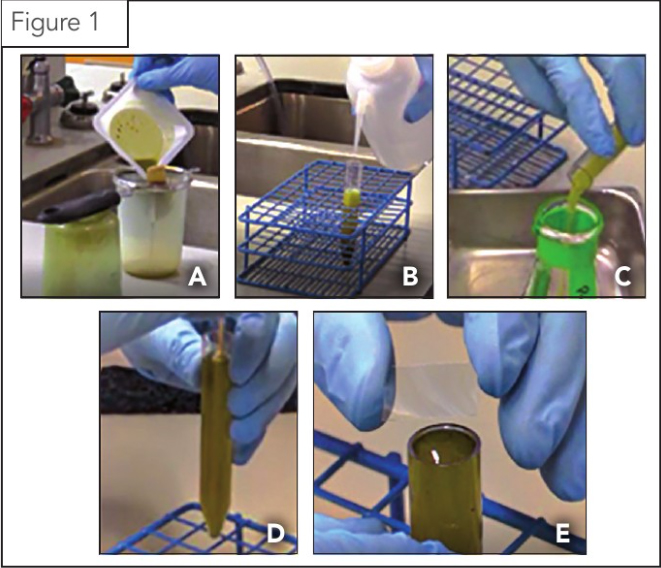
Direct smear: small stool on a slide to view motile protozoa under microscope.
Fecal flotation: eggs float in a solution and are identified by shape.
Centrifugal flotation: more sensitive than simple float and often used by labs.
Stains and acid-fast tests: help find Cryptosporidium and certain protozoa.
PCR and molecular tests: detect parasite DNA and improve accuracy for hard-to-find pathogens.
Bacterial culture: grows bacteria like Salmonella for confirmation and sensitivity testing.
Collecting and handling fecal samples: step-by-step
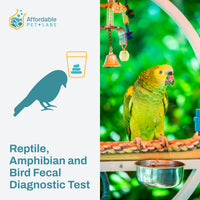
- Collect fresh stool. Aim for a sample passed within 24 hours.
- Use a clean container or kit provided by your vet or lab. Label with species, date, and ID.
- Refrigerate samples immediately if you cannot deliver within a few hours. Do not freeze unless lab instructs.
- Avoid cross-contamination between animals and substrates. Use clean tools for each sample.
- Ship or deliver samples promptly, following lab guidelines and biosecurity instructions.
Interpreting results and treatment options
A positive result pinpoints the parasite or pathogen to target.
Negative tests can occur with low shedding; repeat testing may be needed.
Treatment depends on the agent: anthelmintics for worms, antiprotozoals for coccidia, and targeted antibiotics or supportive care for bacteria.
Follow-up reptile fecal testing confirms clearance and informs further care.
Frequency, cost, and where to test
Frequency depends on risk: new animals, sick animals, and breeding groups need more tests.
Costs range widely; basic flotation is affordable, while PCR and cultures cost more.
Use a reptile-savvy vet or specialized lab for reptile fecal testing to ensure correct methods and interpretation.
Limitations and accuracy of reptile fecal testing
Tests can miss infections due to intermittent shedding or poor sample quality.
Some agents, like Cryptosporidium, need special tests for accurate detection.
Interpretation must consider clinical signs and husbandry; lab results are one part of the picture.
Prevention, husbandry, and biosecurity
Good husbandry lowers parasite risk. Keep enclosures clean and disinfect surfaces regularly.
Quarantine new animals for several weeks and test before mixing them with others.
Practice strict handwashing after handling reptiles and their supplies to prevent zoonotic spread.
Personal experiences and practical tips
I once saw a bearded dragon with repeated negative floats but clear signs of infection. PCR found Cryptosporidium. From that case I learned to ask for special tests when signs persist.
Always collect fresh stool and tell the lab about clinical signs and recent drugs. That information improves test choice and result interpretation.
Keep a health log with dates of fecal tests, treatments, and outcomes. It saves time and improves care decisions.
Frequently Asked Questions of reptile fecal testing
What sample size is needed for reptile fecal testing?
Most labs ask for a walnut-sized sample or what fits in a small container. Fresh and uncontaminated stool gives the best chance of detection.
How long until results come back from reptile fecal testing?
Basic flotation results may be same-day. PCR and culture tests can take several days to a week depending on the lab.
Can I collect stool from bedding or substrate?
Avoid substrate when possible. Pick fresh stool from a clean surface to reduce contamination and false readings.
Do I need a vet to submit reptile fecal testing?
Many labs accept samples through vets. A vet’s involvement helps with proper test selection and treatment planning.
What if the test is negative but my reptile is sick?
Repeat testing and advanced tests like PCR can help. Combine test results with clinical signs and husbandry review for a full diagnosis.
Conclusion
Reptile fecal testing is a practical tool for keeping reptiles healthy and protecting people. Regular testing, proper sample collection, and working with a reptile-experienced vet make results more useful. Start by scheduling a baseline test for new reptiles, keep good records, and ask for advanced tests when signs persist. If you found this guide useful, talk to your vet, subscribe for updates, or leave a comment about your experiences with reptile fecal testing.
