
Reptile infection signs include lethargy, weight loss, skin lesions, discharge, poor appetite, and breathing trouble.
I have worked with reptile owners and vets for years, and I can help you spot reptile infection signs early. This article explains common signs, causes, diagnosis, treatment, and prevention in clear, practical steps. Read on to learn how to protect your pet and act fast when you see worrying signs.
Recognizing reptile infection signs
Spotting reptile infection signs early improves recovery odds. Look for changes in behavior, body, and waste. Common signs are often subtle at first and then get worse.
Key reptile infection signs to watch for:
- Lethargy and hiding more than usual.
- Loss of appetite or weight loss.
- Abnormal shed or retained shed around toes or tail.
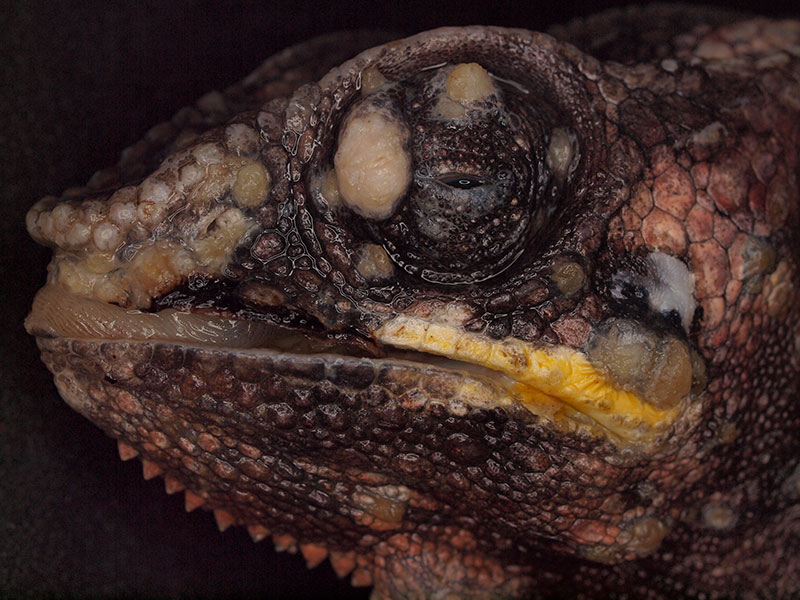
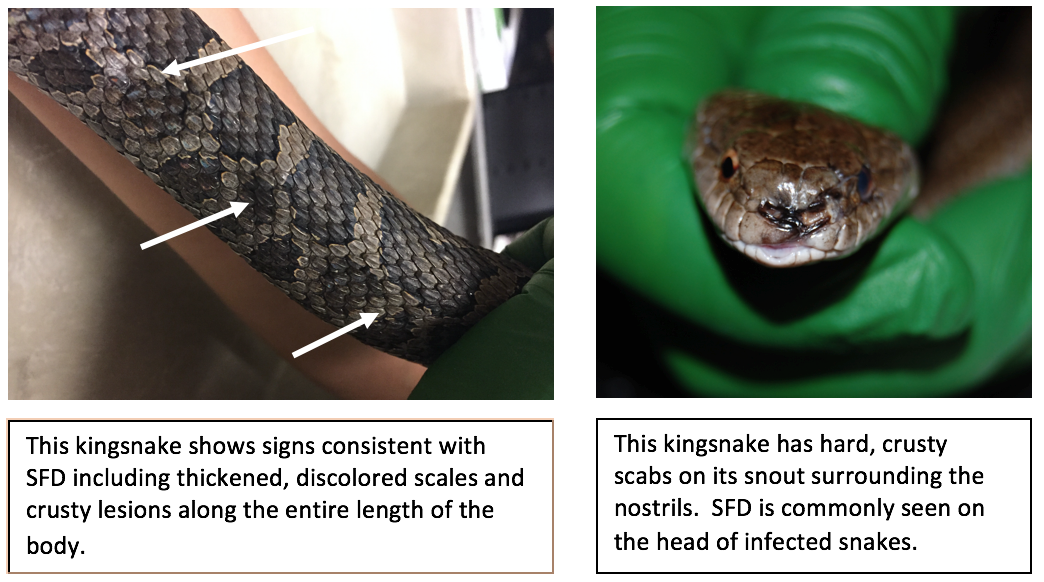
- Discolored, scaly, or soft patches on skin.
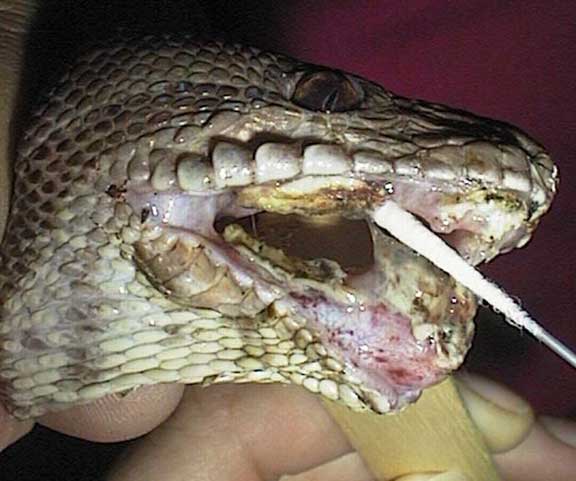
- Mouth discoloration, swelling, or pus (mouth rot).
- Excessive mucus, wheezing, open-mouth breathing, or gurgling.
- Runny nose or eye discharge.
- Diarrhea, mucus in stools, or bloody stools.
- Swelling or lumps under the skin.
- Uncoordinated movement or weak limbs.
Each of these signs can point to different problems. Track signs and note when they began. Early notes help your vet diagnose faster.

Common types of infections and their signs
Different infections show different reptile infection signs. Knowing types helps you respond right.
Respiratory infections
- Signs include wheezing, open-mouth breathing, thick mucus, and lethargy.
- Often caused by low temperatures or poor humidity.
Mouth rot (infectious stomatitis)
- Signs include redness, pus, loss of appetite, and visible lesions in the mouth.
- Can follow stress, injury, or poor diet.
Skin and scale infections
- Signs include patches of soft or rotten scales, discoloration, or ulcers.
- Can be bacterial, fungal, or from injured skin that got infected.
Internal parasites
- Signs include weight loss, diarrhea, straining, and poor growth.
- A fecal test helps identify parasites.
Abscesses and wound infections
- Signs include swollen, firm lumps with possible discharge.
- Often follow bite wounds or skin breaks.
Each infection type has overlapping signs. A vet exam is often needed to tell them apart.
Causes and risk factors for reptile infection signs
Understanding why reptile infection signs appear helps you prevent them. Common causes are linked to care and environment.
Main causes
- Poor temperatures and incorrect heat gradients.
- Wrong humidity for the species.
- Dirty enclosures and contaminated water.
- Stress from handling, poor diet, or overcrowding.
- Wild-caught animals with hidden infections.
- New animals introduced without quarantine.
Risk factors raise the chance of seeing reptile infection signs. Good husbandry lowers risk. Small mistakes add up fast, so check basics first.
How vets diagnose reptile infection signs
A vet uses tests and exams to confirm infection and find its cause. Diagnosis guides safe treatment.
Common diagnostic steps
- Physical exam, including mouth, skin, and vent.
- Fecal float or smear to check parasites.
- Cytology or culture from wounds or mouth.
- Blood tests for organ function and infection markers.
- X-rays for respiratory or internal issues.
Bring a log of symptoms, temps, and diet to the appointment. Clear notes help the vet match signs to likely diagnoses.

Treatment options for reptile infection signs
Treatment depends on the infection type and severity. Never self-prescribe antibiotics or drugs meant for other animals.
Typical treatments
- Antibiotics for bacterial infections (vet-prescribed).
- Antifungals for fungal skin infections.
- Antiparasitics after fecal confirmation.
- Topical wound care and cleaning for skin infections.
- Fluid therapy and nutritional support for sick, weak reptiles.
- Surgery for severe abscesses or internal issues if needed.
Follow the full course of any medication. Stopping early can mask signs and cause relapse. Always use meds and doses approved by a reptile vet.
Prevention and husbandry to reduce reptile infection signs
Prevention is the best way to avoid reptile infection signs. Good routine care keeps pets healthy.
Practical prevention tips
- Maintain proper temperature gradients and basking spots.
- Keep humidity within the species’ recommended range.
- Clean and disinfect the enclosure regularly.
- Quarantine all new reptiles for at least 30–90 days.
- Feed a balanced diet and avoid spoiled food.
- Replace substrate or use easy-clean surfaces for sick animals.
- Schedule wellness checks with a reptile-experienced vet.
Small, consistent steps prevent most infections. I check temps daily and clean water bowls every day to avoid issues.

Personal experience and lessons learned
I once treated a bearded dragon with early respiratory disease. The owner noticed subtle lethargy and reduced appetite. We found a mild mucus discharge and low nighttime temps. With fast vet care, warming, and antibiotics, the dragon recovered in weeks.
What I learned
- Trust small changes; they often mean more.
- Keep a simple care log for temps, feeding, and behavior.
- Quarantine and check new animals to prevent spreading infections.
These small habits cut down vet visits and make recovery easier when infections show up.
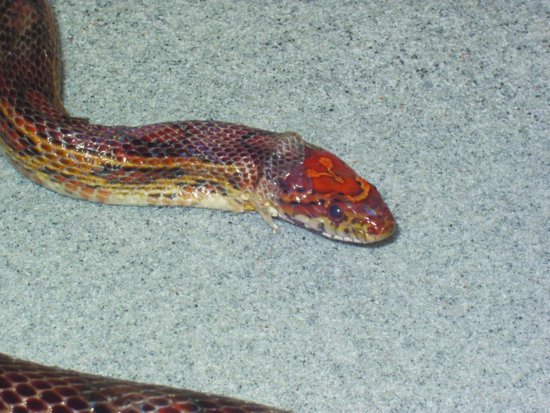
Frequently Asked Questions of reptile infection signs
What are the earliest reptile infection signs I should watch for?
Early signs include reduced appetite, more hiding, slight weight loss, and dull skin. These often show before severe symptoms.
Can stress cause reptile infection signs?
Yes. Stress weakens immunity and can lead to infections or make existing problems worse.
How fast do reptile infections progress?
Progress varies. Some respiratory infections worsen in days, while chronic skin issues may take weeks. Act quickly when you notice change.
Can I give antibiotics from a pet store for reptile infection signs?
No. Over-the-counter or wrong antibiotics can harm your reptile and hide signs. Always get prescriptions from a reptile vet.
How long should I quarantine a new reptile to avoid spreading infection signs?
Quarantine for 30–90 days and have a vet check for parasites and disease before mixing animals.
Are some species more prone to reptile infection signs?
Yes. Species with strict temp or humidity needs, or wild-caught imports, often show signs more easily.
Conclusion
Recognizing reptile infection signs early can save lives and reduce stress. Watch for appetite change, lethargy, breathing trouble, skin lesions, and odd stools. Keep good records, maintain proper husbandry, and call a reptile vet when you see worrying signs. Start small: set a daily check routine and quarantine new arrivals. Share your experiences or questions below, subscribe for more reptile care tips, or visit a reptile-experienced vet for tailored advice.
