
Dehydration in reptiles shows as sunken eyes, wrinkled skin, lethargy, and reduced urination.
I’ve cared for dozens of lizards and snakes over the years, and I know how small hydration changes can become big problems fast. This guide explains reptile dehydration signs in clear, practical terms. You will learn what to look for, why those signs appear, how to check hydration at home, immediate steps to take, and long-term husbandry fixes. Read on to spot early warning signs and act with confidence.

How to recognize reptile dehydration signs
Reptile dehydration signs can be subtle at first. Watch for behavior and physical changes. Early detection helps avoid emergency care.
Common visible reptile dehydration signs
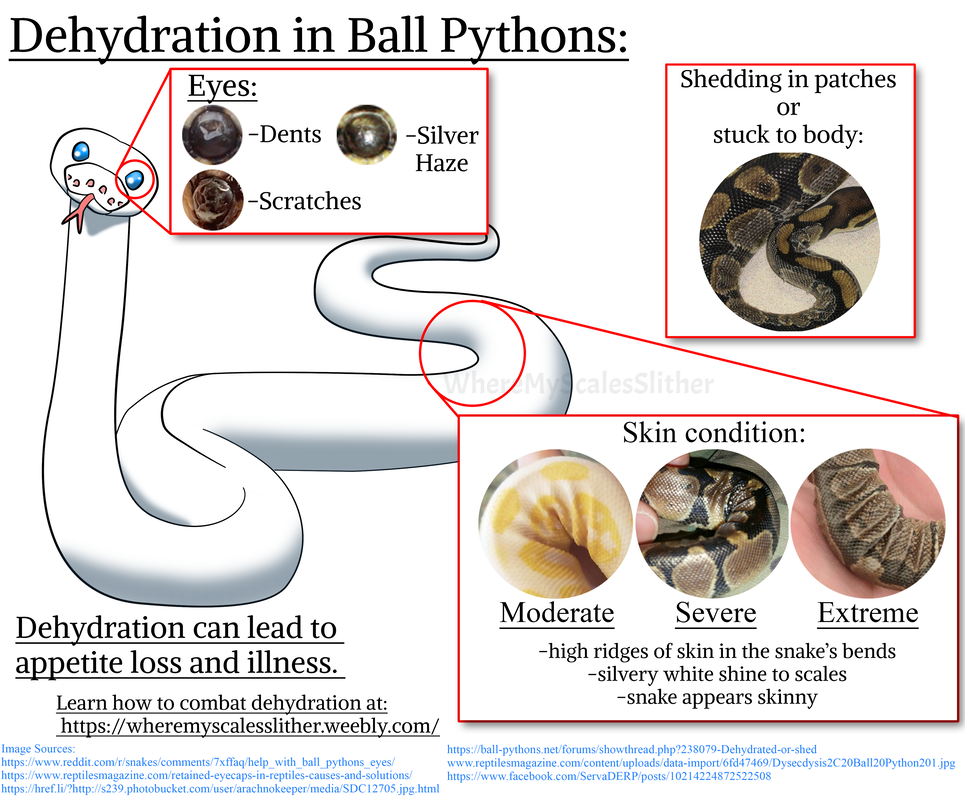
- Sunken eyes: Eyes that look dull or recessed into the head.
- Wrinkled, loose, or leathery skin: Skin may sag or fail to spring back.
- Lethargy or low activity: Slow movement and little interest in food.
- Poor shedding: Incomplete sheds or retained eye caps in lizards.
- Dark or sticky droppings: Urates can be concentrated and thick.
- Reduced appetite: Refusal to eat or weight loss over days.
- Hollow or soft tail in some species: A sign in fat-storing tails.
- Increased basking near heat source: Trying to move but too weak.
Why these signs happen
- Reptiles lose water from breathing, skin, and droppings.
- Low humidity and poor access to water speed loss.
- Illness, parasites, or poor diet reduce intake and increase loss.
- Dehydration affects organs and blood flow, causing visible changes.
Spotting subtle cases
- Compare to baseline behavior. Know what is normal.
- Monitor weight weekly. Small drops can signal trouble.
- Check eyes and skin daily during shedding season.

What causes dehydration in reptiles
Knowing causes helps prevent reptile dehydration signs. Many problems are environmental or husbandry related.
Common causes
- Low environmental humidity: Especially for tropical species.
- Inadequate water access: Dirty bowls or wrong bowl size.
- Improper temperature: Too cool or too hot reduces drinking and digestion.
- Poor diet: Foods low in moisture or refusal to eat.
- Illness and parasites: Diarrhea or metabolic disease increase water loss.
- Stress and poor enclosure design: Hiding spots and fear reduce water access.
- Post-surgical or drug effects: Some medications increase fluid needs.
Species differences
- Desert species drink less often but still need access to water.
- Tropical species need higher humidity and more frequent soaking.
- Hatchlings and juveniles dehydrate faster than adults.
How to check and diagnose dehydration at home
You can run simple checks at home to assess reptile dehydration signs. These tests are quick and noninvasive.
Simple home checks
- Skin tent test: Gently pinch loose skin and release. Slow return to normal suggests dehydration.
- Eye check: Look for sunken or cloudy eyes.
- Oral mucous membranes: Pale or tacky gums indicate low hydration.
- Weight tracking: Use a digital scale and log weight weekly.
- Urate color and consistency: Thick, pasty urates suggest dehydration.
Limitations of home checks
- Skin elasticity varies by species and age. Desert reptiles naturally have less elastic skin.
- Some signs overlap with illness. If results worry you, call a vet.
Veterinary diagnosis
- Blood tests: Check electrolyte levels and packed cell volume.
- Physical exam: Vet will evaluate mucous membranes and body condition.
- Imaging: Used if organ issues are suspected.
Immediate treatment and first aid for dehydrated reptiles
When you see reptile dehydration signs, act fast but calmly. Quick steps can stabilize many animals before a vet visit.
First aid steps at home
- Offer fresh, clean water immediately in a shallow dish.
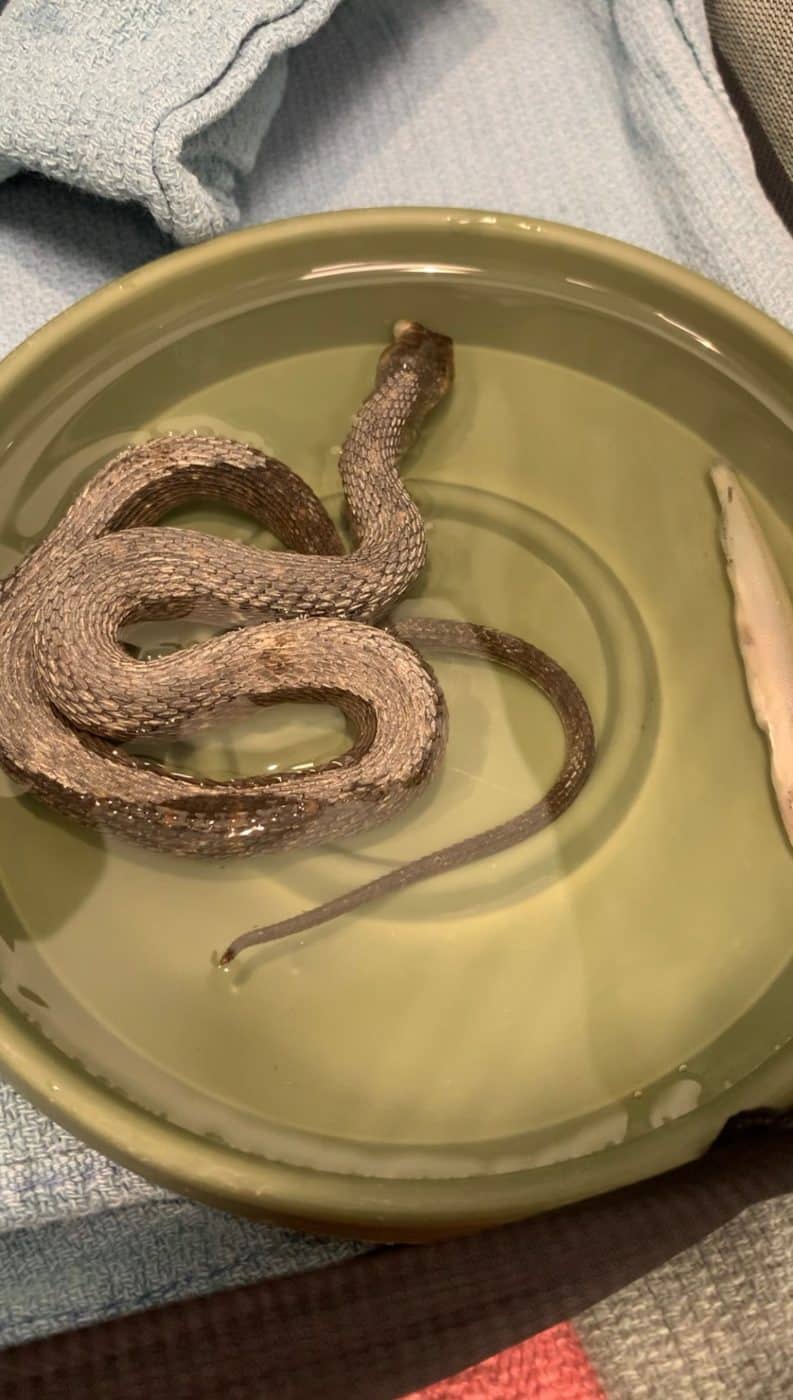
- Soak in lukewarm shallow water for 10 to 20 minutes for small reptiles. Supervise closely.
- Mist humid hides or the enclosure to raise local humidity.
- Warm the enclosure to the correct temperature to boost appetite and digestion.
When to avoid home remedies
- Do not force water into the mouth of an aggressive or very weak animal.
- Avoid giving human electrolyte drinks without guidance from a vet.
- Subcutaneous fluids should only be given by a trained person or under vet direction.
Veterinary treatments
- Fluid therapy: Subcutaneous or intravenous fluids to restore hydration.
- Electrolyte correction and monitoring.
- Treatment for underlying causes like infection or parasites.
- Nutritional support and assisted feeding if needed.

Long-term prevention and husbandry tips
Preventing reptile dehydration signs is easier than treating dehydration. Good husbandry keeps reptiles healthy and hydrated.
Housing and humidity
- Match humidity to species needs. Use hygrometers to monitor.
- Provide a humid hide: A small moist hide box for easy access.
- Use proper substrate that holds moisture where required.
Water and feeding
- Always offer clean water in a shallow dish sized for the species.
- Change dish water daily and scrub it regularly.
- Offer moisture-rich foods: Hydrating prey, soaked vegetables, or fruit for suitable species.
Temperature and lighting
- Maintain correct thermal gradient to aid digestion and thirst cues.
- Use heat and UVB appropriate for species to support overall health.
Monitoring and routine care
- Weigh regularly and log results.
- Check for shedding problems and eyes often.
- Schedule regular vet checkups and fecal exams for parasites.

My experience: lessons and practical tips
I once rescued a young bearded dragon showing early reptile dehydration signs after a week of poor husbandry. The dragon had sunken eyes, sticky droppings, and poor shedding. A supervised soak, improved humidity, clean water, and a vet-prescribed fluid plan helped in days.
What I learned
- Small daily checks catch problems early.
- Soaks help but do not replace vet fluids for severe cases.
- Consistency beats fixes: Regular water, proper heat, and diet prevent most cases.
Mistakes to avoid
- Waiting too long hoping the animal will recover on its own.
- Using too-hot water for soaks.
- Overusing human electrolyte solutions without vet advice.
Practical tips you can use today
- Place two water bowls in the enclosure—one shallow, one deeper.
- Keep a notebook for weight and behavior notes.
- Create a humid hide using damp sphagnum or paper towel for tropical species.
Frequently Asked Questions of reptile dehydration signs
What are the earliest reptile dehydration signs to watch for?
Look for sunken eyes, reduced activity, and slight skin wrinkling. These early signs show before severe problems appear.
Can a quick soak fix dehydration?
A quick soak helps mild dehydration and raises humidity. Severe dehydration needs veterinary fluid therapy.
How often should I weigh my reptile to spot dehydration?
Weigh weekly for adults and twice weekly for juveniles. Regular logs reveal small but important weight changes.
Are dark urates always a sign of dehydration?
Dark, pasty urates often mean dehydration, but diet and kidney issues can also cause changes. Check other signs too.
When should I take my reptile to the vet for dehydration?
If your reptile is very weak, not eating, has sunken eyes, or does not improve after home care, see a vet right away.
Can I use electrolyte solutions made for humans?
Human solutions can be wrong strength for reptiles and should only be used with veterinary approval. Vets can recommend safe formulas and doses.
Conclusion
Recognizing reptile dehydration signs early keeps your pet healthy and can prevent emergencies. Watch for sunken eyes, loose skin, poor sheds, and appetite loss. Use simple home checks and provide quick first aid like soaks and clean water, then contact a vet if signs persist. Take action now: set up regular checks, log weights, and adjust humidity and water access for your species. If this article helped, try these steps and share your experience or questions below.
