

Reptile breathing issues often signal illness from infection, environment, or poor husbandry.
I have cared for reptiles in clinics and as a keeper for over a decade. This guide explains causes, signs, diagnosis, treatment, and prevention of reptile breathing issues with clear, practical steps you can use today. Read on to learn how to spot trouble early and help your reptile recover.

Understanding reptile breathing issues
Reptile breathing issues cover any problem with a reptile's ability to breathe normally. They range from mild wheeze to severe open-mouth breathing and gasping. Reptile lungs and airways differ by species, so signs can vary. Knowing basic anatomy and normal breathing helps you spot early trouble.

Common causes of reptile breathing issues
Many things cause reptile breathing issues. Environmental stress is a top cause. Low heat or wrong humidity can lower immune response and cause infections. Bacterial and viral infections often follow poor husbandry. Fungal infections affect the lungs in some species. Physical injuries, foreign bodies, and congenital defects also cause trouble. Parasites and metabolic diseases can play a role too.

Signs and symptoms to watch for
Early signs are subtle. Look for slow or fast breathing, tail bobbing, or flared nostrils. Audible sounds like wheezing, clicking, or bubbling are red flags. Mucus at the nose or mouth and open-mouth breathing are urgent signs. Loss of appetite, weight loss, and lethargy often come with breathing problems.
People also ask
How serious are reptile breathing issues?
They can be very serious. Simple cases respond to care, but delays can lead to pneumonia and death.
Can poor temperature cause breathing problems?
Yes. Cold stress lowers immunity and slows clearing of the lungs, raising infection risk.
Are some species more prone to respiratory infections?
Yes. Tortoises and aquatic turtles often show distinct issues, while snakes and lizards show others.
How vets diagnose reptile breathing issues
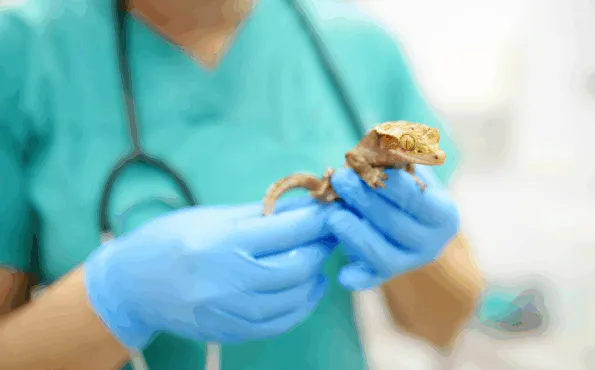
A vet will take a history and do a full exam. They check weight, body condition, and respiratory sounds. Common tests include oral and nasal swabs, blood work, and fecal checks. Imaging like X-rays or CT scans helps see lung changes. Tracheal washes or cultures identify bacteria or fungi. Diagnosis guides targeted treatment and improves outcomes.

Treatment options and medical care
Treatment depends on cause. Bacterial infections often need antibiotics chosen from culture results. Antifungal drugs treat fungal lung disease but can be long courses. Supportive care is key and includes heat, fluids, and nutrition. Nebulization and gentle suctioning help clear mucus in severe cases. Surgery is rare but needed for abscesses or foreign bodies.

Home care and husbandry adjustments
Good care often fixes mild cases and prevents relapses. Check and correct temperature gradients with accurate thermometers. Keep humidity in species-appropriate ranges. Clean the enclosure regularly and remove damp bedding. Provide fresh water and balanced food to support immune health. Quarantine new animals for several weeks before mixing them.
Practical steps to try at home
- Increase ambient temperature slightly to help immune function and breathing.
- Improve humidity only if the species needs it and you can keep it stable.
- Use a clean, quiet recovery enclosure to reduce stress.
- Offer easy-to-digest food or assist-feed under vet advice.
Prevention and long-term management
Prevention is better than treatment for reptile breathing issues. Set up the correct habitat before you bring a reptile home. Maintain good hygiene and reduce drafts. Schedule routine vet checks and fecal exams. Vaccines are not common for reptiles, so focus on husbandry and rapid care. Keep records of temperatures and feeding to spot trends early.

My experience and lessons learned
I once treated a bearded dragon with mild wheeze. The owner had a cool hide and damp substrate. We warmed the tank, changed bedding, and gave a short antibiotic course after culture. The dragon improved in days. Lesson learned: small husbandry fixes stop many cases early. I also learned to advise owners to act fast. Delay often means longer treatment and more stress.
Mistakes to avoid
- Waiting days to see if symptoms get better on their own.
- Overdosing or using leftover meds without vet guidance.
- Rapid, large swings in temperature or humidity when adjusting the enclosure.
Frequently Asked Questions of reptile breathing issues
What are the first signs of respiratory trouble in reptiles?
Early signs include wheezing, soft clicking, and mucus at the mouth or nose. Loss of appetite and lethargy often come soon after.
Can poor enclosure heat cause breathing infections?
Yes. Low heat weakens immune function and slows lung clearing, which raises infection risk.
Is open-mouth breathing always an emergency?
Open-mouth breathing is urgent. It often means the reptile cannot get enough oxygen and needs prompt vet care.
How long does treatment for respiratory disease usually take?
Mild cases may improve in a week with care. Severe cases can take weeks to months and need close follow-up.
Can I treat reptile breathing issues at home without a vet?
You can make short-term husbandry fixes at home, but a vet exam is essential for proper diagnosis and safe treatment.
Conclusion
Reptile breathing issues are common but often manageable when caught early. Watch for subtle signs, correct housing problems, and seek vet care when you see mucus, breathing sounds, or open-mouth breathing. Small changes in heat, humidity, and cleanliness can prevent many cases. Take action fast, keep good records, and seek professional help when needed. Share your experience, ask questions below, or subscribe to stay updated on reptile health tips.
