

Reptile lethargy signs often show as low activity, weak appetite, slow movement, and prolonged basking.
As a reptile keeper and field technician with years of hands-on experience, I will clearly explain reptile lethargy signs, why they happen, and what practical steps you can take to help your pet recover. Read on for a full, friendly, and expert guide that covers causes, checks, treatment steps, and prevention so you can act with confidence.

What is reptile lethargy?
Reptile lethargy signs describe a drop in normal energy and behavior in a reptile.
This can mean less movement, less interest in food, and long periods of hiding or basking.
Lethargy is a symptom, not a diagnosis. It signals that something in the environment, diet, or health has changed.

Common signs of reptile lethargy
Spotting reptile lethargy signs early makes a big difference. Watch for:
- Dull or slow movement. Reptile lethargy signs include slow or minimal motion during times the animal should be active.
- Loss of appetite. A strong sign of reptile lethargy signs is refusal of usual food or decreased feeding response.
- Excessive hiding or prolonged basking. When a reptile basks too long or hides constantly, these are reptile lethargy signs.
- Weak or floppy limbs. Muscle weakness and poor grip are clear reptile lethargy signs.
- Low reaction to stimuli. If your reptile does not respond to handling or noise, this may be a reptile lethargy sign.
- Irregular breathing or open-mouth breathing. Respiratory changes often accompany reptile lethargy signs.
- Weight loss and poor shedding. Ongoing weight loss or stuck shed can be linked to reptile lethargy signs.
These signs may appear alone or together. Track them to help your vet find the cause faster.

Causes of lethargy in reptiles
Understanding causes helps you act. Common reasons for reptile lethargy signs include:
- Temperature and lighting problems. Low heat or missing UVB causes poor digestion and energy, leading to reptile lethargy signs.
- Dehydration. Lack of water quickly leads to weakness and reptile lethargy signs.
- Nutritional deficiencies. Low calcium or vitamins can cause metabolic problems and reptile lethargy signs.
- Illness and infection. Bacterial, viral, or fungal infections often present with reptile lethargy signs.
- Parasites. Internal or external parasites reduce energy and appetite and produce reptile lethargy signs.
- Brumation or seasonal dormancy. Some species slow down seasonally; this natural state can be mistaken for reptile lethargy signs.
- Stress and poor husbandry. Crowding, loud noise, or improper substrate can trigger reptile lethargy signs.
- Toxins and poisons. Exposure to pesticides or household chemicals can cause sudden reptile lethargy signs.
- Organ disease. Liver, kidney, or heart problems often show early as reptile lethargy signs.
Each cause needs a specific approach. Proper diagnosis is key to effective treatment.

How to check and diagnose lethargy
A calm, step-by-step check helps you find the issue fast.
- Observe behavior at different times of day. Note when reptile lethargy signs worsen or improve.
- Measure enclosure temp and humidity. Compare readings to species needs; poor heat often creates reptile lethargy signs.
- Check basking and hide spots. Ensure a proper thermal gradient to rule out environment-related reptile lethargy signs.
- Offer food and record response. Note changes in appetite and eating habits; these are core reptile lethargy signs.
- Inspect feces and shed. Parasites, undigested food, or abnormal sheds can point to causes of reptile lethargy signs.
- Weigh your reptile daily or weekly. Weight loss is a measurable sign among reptile lethargy signs.
- Seek veterinary tests when needed. Bloodwork, fecal exams, and imaging reveal infections, parasites, or organ issues that cause reptile lethargy signs.
PAA-style questions:
Can low temperatures cause lethargy?
Yes. Reptiles need species-specific heat to digest and move. Low temps slow metabolism and lead to reptile lethargy signs.
How long should I wait before seeing a vet?
If lethargy lasts more than 24–48 hours or is paired with breathing trouble, weight loss, or severe dehydration, see a vet right away. These are urgent reptile lethargy signs.
Will a fecal test show parasites quickly?
A fecal test can detect many parasites, but some require repeat testing. Parasites are a common cause of reptile lethargy signs.
Immediate steps to take
Act quickly and calmly when you spot reptile lethargy signs.
- Stabilize temperature. Adjust heat sources to the correct gradient for your species to reduce reptile lethargy signs.
- Offer clean water or provide subcutaneous fluids if trained. Hydration helps reverse many reptile lethargy signs.
- Isolate from other animals. Reduce stress and rule out contagious issues causing reptile lethargy signs.
- Try gentle feeding. Offer favorite prey or safe hand-feeding to test appetite, a key reptile lethargy sign.
- Keep handling minimal. Stress can worsen reptile lethargy signs and slow recovery.
- Contact a reptile vet. Share your observations and test results to address the root cause of reptile lethargy signs.
These immediate steps help stabilize your pet while you arrange diagnostics or treatment.
Long-term care and prevention
Good daily care prevents many reptile lethargy signs.
- Optimal enclosure setup. Provide proper heat, UVB, humidity, and hides to avoid reptile lethargy signs.
- Balanced diet. Feed species-appropriate prey and supplements to prevent nutritional causes of reptile lethargy signs.
- Regular cleaning. A clean habitat lowers infection risk and reduces reptile lethargy signs.
- Routine vet checkups. Annual or biannual exams catch issues before they become reptile lethargy signs.
- Stress reduction. Stable routines and gentle handling keep stress-related reptile lethargy signs low.
- Parasite screening. Periodic fecal checks prevent chronic parasite-driven reptile lethargy signs.
Prevention saves time, stress, and money. Keep records to spot trends in reptile lethargy signs early.

Personal experiences and lessons
I once had a bearded dragon showing subtle reptile lethargy signs: less movement and smaller meals. I checked the basking lamp and found it burnt out. After replacing the lamp and offering warm baths, the dragon regained appetite in two days. That taught me to always verify basic husbandry before testing for illness.
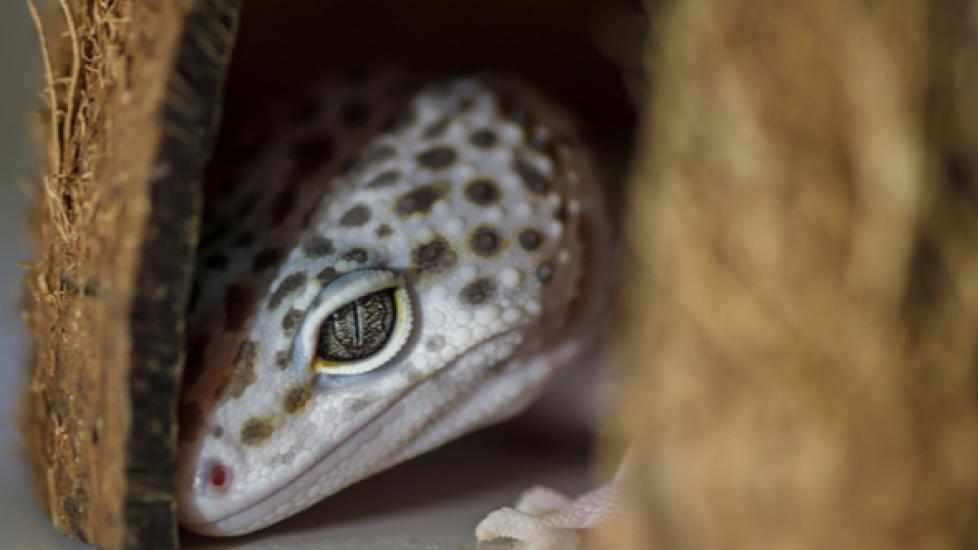
Another time, a gecko showed reptile lethargy signs and weight loss. A fecal test revealed parasites. Treatment cleared symptoms in a week. Lesson learned: record weight and stool regularly to catch reptile lethargy signs early.
These real cases show small changes often cause big reptile lethargy signs.
When to see a vet
Some signs require immediate veterinary care.
- Severe weakness, collapse, or inability to right itself.
- Open-mouth breathing, blood in stool, or vomiting.
- Rapid weight loss over days.
- Severe dehydration or sunken eyes.
- Loss of movement in limbs or signs of pain.
If you see any of these, contact a reptile-experienced vet now. For milder reptile lethargy signs, share observations and habitat data with your vet for targeted testing.
Monitoring and record-keeping
Simple logs help detect and resolve reptile lethargy signs.
- Daily checks. Note appetite, activity, defecation, and shedding.
- Weekly weight. Record numbers to spot declines tied to reptile lethargy signs.
- Temperature and humidity chart. Keep a small table showing daily highs and lows to link changes to reptile lethargy signs.
- Photo log. Take weekly photos to compare body condition and detect subtle reptile lethargy signs.
Consistent records make vet visits more productive and speed recovery from reptile lethargy signs.
Related conditions and differential diagnosis
Lethargy can come from many sources. Consider these for diagnosis:
- Respiratory infection. Often causes breathing changes plus lethargy.
- Metabolic bone disease. Weakness and twitching appear with lethargy.
- Gastrointestinal impaction. Refusal to eat and bloating accompany lethargy.
- Parasites. Chronic appetite loss and lethargy can point to parasites.
- Brumation. Seasonal slowdown may mimic illness in some species.
A vet will rule these out with tests and targeted history to explain reptile lethargy signs.
Frequently Asked Questions
What exactly are reptile lethargy signs?
Reptile lethargy signs are behavioral and physical changes showing reduced activity or interest in food. They are symptoms that indicate possible environmental issues, illness, or stress.
Can brumation be mistaken for illness?
Yes. Brumation is a seasonal slowdown in some species and looks like lethargy. If unsure, check species norms and monitor weight and appetite closely.
How do I safely warm a cold reptile?
Use a controlled heat source like a ceramic heat emitter or warming pad and monitor temperature carefully. Avoid heat lamps placed too close, and never use direct human heat like hairdryers.
Are supplements helpful when lethargy appears?
Supplements can help if a deficiency is the cause, but they are not a substitute for vet care. Over-supplementing can cause harm, so consult your vet before adding treatments.
How long does recovery take from common causes?
Recovery varies by cause. Simple environmental fixes can show improvement in 24–72 hours. Infections or metabolic issues may take weeks with proper treatment.
Conclusion
Reptile lethargy signs are clear messages from your pet that something needs attention. By checking habitat, hydration, diet, and weight, and by keeping calm and organized records, you can often resolve mild cases quickly. For serious or persistent signs, seek a reptile-savvy vet without delay. Take action now: review your enclosure setup, log a week of observations, and reach out to a vet if you see worsening signs. Share your experience or questions below — I’ll help you troubleshoot next steps.
