
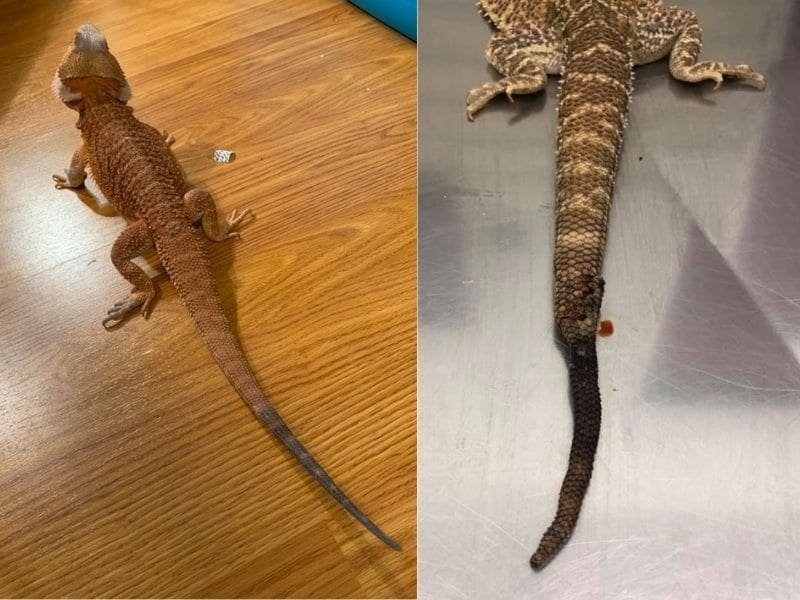
Reptile tail rot is a bacterial or fungal infection that destroys tail tissue and needs prompt care.
I’ve treated and studied many cases of reptile tail rot, and this article gives a clear, practical guide to spotting, treating, and preventing it. You’ll learn what reptile tail rot looks like, why it happens, how vets diagnose it, home care steps, and realistic outcomes. Expect hands-on tips from real experience and evidence-based advice to help your reptile recover and avoid repeat problems.

What is reptile tail rot?
Reptile tail rot is damage to tail tissue caused by infection, poor circulation, or trauma. The condition ranges from mild skin sores to deep tissue death that exposes bone. It can affect lizards, snakes, turtles, and other reptiles.
Tail rot often follows an injury, a bite, or months of poor husbandry. Bacteria and fungi invade damaged tissue and produce decay. Left untreated, the infection can spread into the body and become life threatening.

Causes and risk factors
Understanding causes helps prevent reptile tail rot. Common drivers include:
- Poor enclosure hygiene. Dirty substrate and standing water encourage bacteria and fungi.
- Inadequate temperature and humidity. Cold or overly damp conditions slow healing and lower immunity.
- Trauma or bites. Tail injuries from other pets, cage mates, or rough handling create entry points.
- Tail autotomy complications. Some lizards drop tails; if the wound is not cared for, it can rot.
- Circulation problems. Constriction from tight substrate, banding, or rings can cut blood flow.
- Chronic illness or poor nutrition. Weak immune systems let infections take hold.
Based on my clinic work, the most common scenario is a tail wound combined with damp bedding and low temps. That mix lets bacteria multiply fast and makes detachment much more likely.
Signs and symptoms to watch for
Early detection changes outcomes. Look for these signs of reptile tail rot:
- Discolored tail tips. Black, gray, or brown areas indicate tissue death.
- Soft, mushy spots that may leak fluid. This points to active infection.
- Foul smell from the tail area. A clear sign of bacterial rot.
- Swelling or heat at the affected area. Inflammation shows infection.
- Loss of tail segments or gradual shortening. This means tissue is sloughing.
- Behavioral changes like reduced appetite or lethargy. Systemic spread can cause illness.
If you see any of these signs, isolate the animal from cage mates and check enclosure conditions immediately. Early veterinary review prevents escalation.

How vets diagnose tail rot
Diagnosis blends exam, imaging, and tests. A vet will typically:
- Do a physical exam and assess pain, color, and tissue viability.
- Take swabs for bacterial and fungal culture and sensitivity.
- Use X-rays to check bone involvement and rule out retained fragments.
- Run bloodwork in severe cases to assess systemic infection.
- Decide if surgical debridement or amputation is needed.
I’ve learned that cultures guide antibiotic choice. Broad-spectrum drugs may start quickly, but switching based on culture improves success and lowers resistance.

Treatment options
Treatment depends on severity. Options include:
-
Conservative care for mild cases
- Clean the area with saline or dilute antiseptic.
- Apply topical antimicrobials recommended by your vet.
- Improve husbandry immediately: temperature, humidity, substrate.
- Monitor daily for change.
-
Medical therapy for moderate infection
- Systemic antibiotics chosen from culture results.
- Anti-fungal drugs if fungi are found.
- Pain control and fluids if the reptile is ill.
- Regular wound dressing and debridement in clinic or at home under guidance.
-
Surgical care for advanced rot
- Debridement to remove dead tissue.
- Partial amputation may be required when tissue loss is extensive.
- Surgical wounds may need bandaging and antibiotics.
- In many species, tails regenerate poorly after severe loss.
From cases I managed, prompt debridement plus targeted antibiotics gives the best chance of saving healthy tissue.

Home care and wound management
After a vet visit, home care matters. Follow these steps:
- Keep the enclosure clean and warm. Stable temps help immunity.
- Use sterile saline for daily gentle cleaning. Avoid harsh chemicals.
- Apply vet-prescribed topical meds exactly as directed.
- Change bedding often to keep the area dry.
- Monitor for swelling, new discoloration, or foul odor.
- Limit handling to reduce stress and promote healing.
A practical tip I use: set up a small recovery tub with clean paper towels and a heat pad to keep temps steady. That makes daily care simpler and lowers re-injury risk.

Prevention and husbandry to avoid tail rot
Good care prevents most cases of reptile tail rot. Key practices:
- Maintain proper temperature gradients and basking spots.
- Keep humidity within species-specific ranges.
- Clean enclosures and remove waste daily.
- Use safe substrate and avoid sharp objects that cut tails.
- Quarantine new animals for disease screening.
- Supervise interactions among cage mates to avoid bites and fights.
- Feed balanced diets rich in vitamins and minerals to support immunity.
I recommend routine checks of the tail during weekly health exams. Spotting small wounds early is the simplest and most cost-effective prevention.
Recovery, prognosis, and long-term outlook
Outcomes vary by severity and species:
- Mild cases heal well with prompt care and improved husbandry.
- Moderate infections often recover but may leave scarring and partial loss.
- Severe rot with bone involvement or systemic illness may require amputation and carries higher risk of complications.
- Some lizards can regenerate tail tips, but new tails may differ in shape and color.
Be realistic: recovery can take weeks to months. Follow-up vet visits are key to ensure infection is cleared. In my experience, owners who act quickly and follow vet instructions see much better results.

Species-specific notes
Different reptiles show different risks and healing patterns:
- Geckos and anoles: common tail autotomy. Monitor stump healing closely to prevent rot.
- Bearded dragons: robust healers but prone to infection if kept too cool.
- Snakes: tail rot is often due to scale rot from wet bedding or retained shed; surgical removal is harder.
- Turtles and tortoises: tail rot is rarer but can occur with shell or tail injuries and poor water quality.
When treating, always tailor husbandry changes to the species. Temperature and humidity targets differ widely.
People also ask (PAA-style questions)
What causes tail rot to start?
Tail rot starts when a wound or poor blood flow lets bacteria or fungi invade. Bad hygiene, low temps, and trauma are common triggers.
Can a tail with rot be saved?
Small, early infections can be saved with cleaning and antibiotics. If tissue is dead to the bone, partial amputation may be necessary.
How long does recovery take?
Recovery can take days for mild cases and weeks to months for severe ones. Follow-up care and proper husbandry speed healing.
Is tail rot contagious to other reptiles?
The infection itself is not usually contagious, but shared poor conditions can put other reptiles at risk. Isolate affected animals and clean the enclosure.
When should I see a vet?
See a vet as soon as you notice discoloration, smell, or leaking fluid. Early treatment prevents spread and saves tissue.
Frequently Asked Questions of reptile tail rot
What are the first steps I should take if I see tail rot?
Isolate the reptile, clean the area with saline, and contact a reptile vet. Keep the enclosure clean and warm while you wait for professional care.
Can I treat tail rot at home without a vet?
Small, superficial wounds may be managed temporarily, but proper diagnosis and antibiotics require a vet. Home care without vet guidance risks making the infection worse.
Will my pet lose its tail permanently?
Some loss is possible, especially with deep rot. Depending on species, partial regrowth may occur, but the new tail may not match the original.
What medications are commonly used for treatment?
Vets often use targeted antibiotics based on culture results and antifungals when needed. Pain relief and fluids may be given in severe cases.
How can I prevent tail rot in a multi-reptile setup?
Keep each animal’s space clean, monitor for fights, provide hides, and control humidity and temperature for each species. Quarantine new animals.
How often should I follow up with the vet?
Follow-up depends on severity. Mild cases may need 1–2 checks; severe cases need weekly checks until healing stabilizes.
Does tail rot affect a reptile’s lifespan?
If treated promptly, many reptiles recover fully and live normal lives. Untreated severe infections can lead to systemic illness and reduce lifespan.
Personal experience and lessons learned
I’ve treated many tail rot cases in clinics and rescues. One lesson: owners often delay because the wound seems small. That small delay can let bacteria move from skin to bone. Another tip: always verify enclosure temps at different spots—surface readings can be misleading. When I started adding small recovery tubs for post-op care, healing times shortened and stress dropped for the animals.
Be honest with yourself about skill level. Simple wound cleaning is fine at home, but surgical debridement and major infections need professional care.
Signs you can’t ignore
These signs mean immediate vet care:
- Rapidly spreading black tissue
- Foul-smelling discharge
- Systemic signs: loss of appetite, lethargy, swollen limbs
- Bone exposure on X-ray
Act fast. Timely vet care lowers the chance of amputation and systemic illness.
Practical checklist for owners
Use this quick checklist after spotting a tail issue:
- Isolate the reptile from others
- Check and raise temperature to species-appropriate levels
- Clean the tail gently with saline
- Contact a reptile-experienced vet and describe symptoms
- Prepare a clean recovery enclosure with fresh substrate
- Follow vet-prescribed meds and dressing routines
- Track daily changes in color, smell, and appetite
Following this list improves outcomes and reduces stress for both you and the reptile.
Final tips and realistic expectations
Expect setbacks. Some infections take longer to clear. Be patient with wound care routines. Keep notes on meds and changes so you can report progress to your vet. Remember: prevention through good husbandry is the best medicine.
Conclusion
Reptile tail rot is common but often manageable when detected early. Improve enclosure hygiene, maintain correct temperatures, and seek veterinary care at the first sign of discoloration or smell. Use the practical steps here to treat, prevent, and support recovery. Start by checking your pet’s tail this week, and act fast if you see trouble. If this guide helped, share your story or subscribe for more reptile care tips and real-life case updates.
