
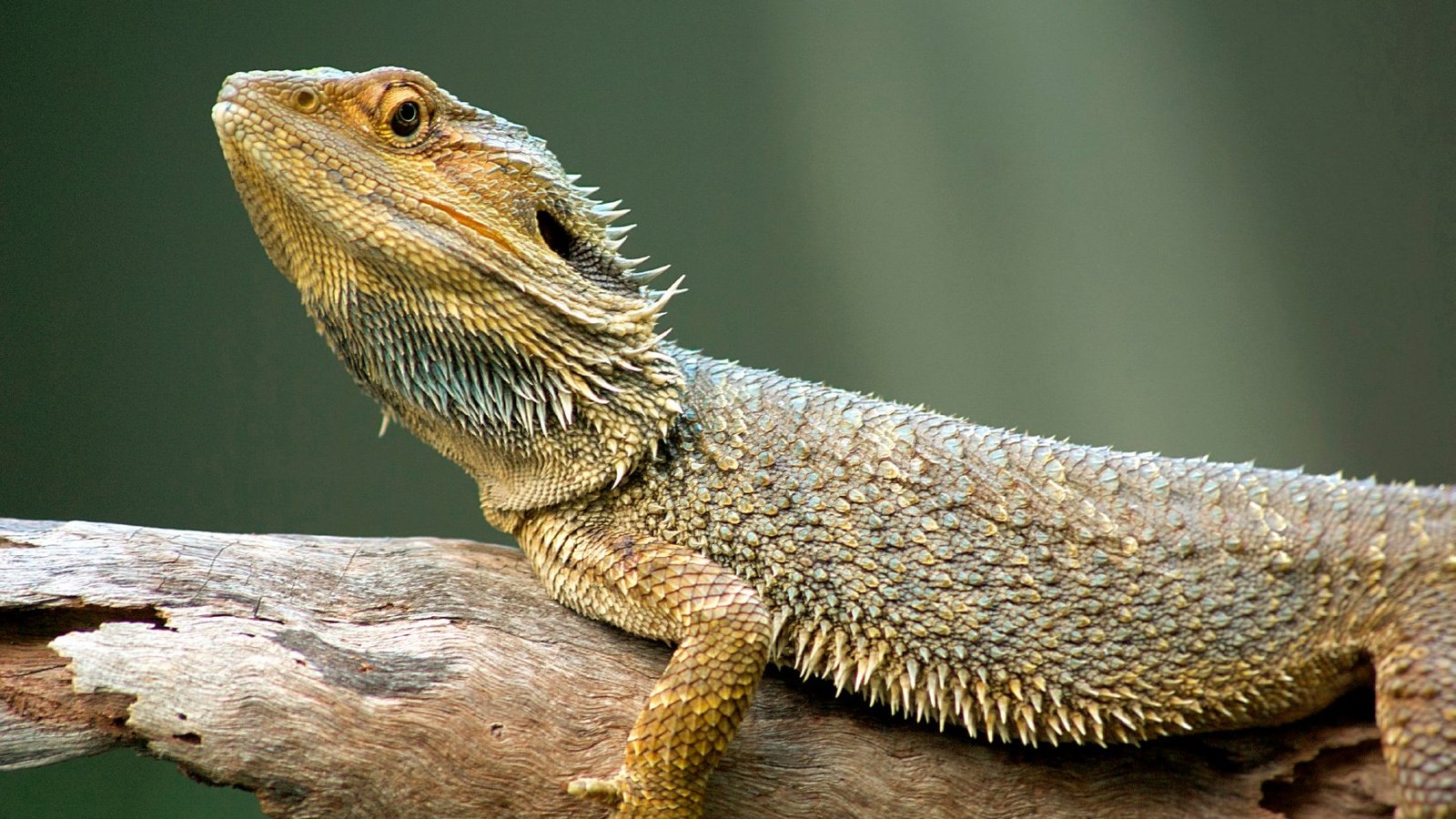
Common reptile parasites signs include weight loss, abnormal feces, lethargy, and skin changes.
I have worked with vets and kept several pet reptiles for years, so I know how subtle and urgent reptile parasites signs can be. This article explains clear, practical clues to spot parasites early, how vets diagnose them, and what you can do at home to help your reptile recover. Read on for a step-by-step guide that blends clinical know-how with real-life tips.

Common Signs of Parasites in Reptiles
Reptile parasites signs often start as small changes. Watch for weight loss, poor appetite, and changes in feces. Skin problems like shedding issues, sores, or persistent itchiness are frequent signs. Sudden lethargy or unusual behavior can also point to internal or external parasites.

Types of Reptile Parasites and What They Do
There are several parasite groups that produce reptile parasites signs:
- Protozoans
- Cause diarrhea, lethargy, and weight loss.
- Nematodes (roundworms)
- Often cause poor growth, bloating, and abnormal feces.
- Cestodes (tapeworms)
- Can lead to intermittent weight loss and visible segments in feces.
- Ectoparasites (mites and ticks)
- Cause skin irritation, anemia, and stress-related behavior.
Knowing which parasite is likely helps you spot specific reptile parasites signs faster. Each parasite type affects health in different ways, so identification matters.

How Parasites Affect Behavior and Health
Parasites drain nutrients and energy. Early reptile parasites signs include dull eyes and less movement. Advanced infections cause severe weight loss, organ strain, and immune suppression. Behavioral shifts like hiding more or refusing typical basking can be clues.

Diagnosis: How to Confirm Reptile Parasites
Veterinarians use simple tests to confirm reptile parasites signs. Common tests include fecal floatation, fecal PCR, skin scrapes, and blood work. Repeat testing is often needed because parasites shed intermittently. Accurate diagnosis prevents unnecessary treatments and helps target the right medication.

Treatment Options and Common Medications
Treatment depends on the parasite causing the reptile parasites signs. Dewormers, anti-protozoals, and topical treatments for mites are common. Proper dosing is critical—reptiles have varied metabolisms and drug sensitivities. Always follow a vet’s guidance and complete follow-up testing to confirm clearance.
Prevention and Best Husbandry Practices
Good care reduces the chance of reptile parasites signs. Best practices include:
- Quarantine new animals for at least 30 days.
- Clean and disinfect enclosures regularly.
- Use appropriate substrate and avoid wild-caught feeders without screening.
- Maintain proper temperature, humidity, and nutrition to support immune health.
Prevention is simpler and less stressful than treating a heavy parasite load.

Caring for an Infected Reptile: Practical Steps
If you spot reptile parasites signs, act fast. Isolate the animal to prevent spread and keep temperatures ideal for recovery. Ensure hydration and offer easily digested, nutrient-rich food. I once missed early signs in a young bearded dragon; faster isolation and vet treatment could have shortened recovery. Learn from small mistakes: document symptoms and medications to share with your vet.
When to Call a Vet
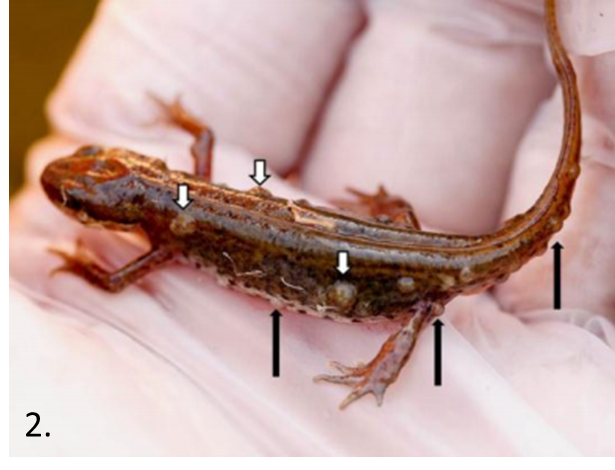
Call a reptile veterinarian if signs persist for more than a few days or if the animal shows rapid weight loss, severe lethargy, or bloody stools. Emergency visits are needed for collapse, severe breathing problems, or visible wounds. Early vet care improves recovery and reduces risk to other pets.
Frequently Asked Questions of reptile parasites signs
What are the earliest signs of reptile parasites signs?
Early signs include mild weight loss, reduced appetite, and subtle changes in feces or shedding. Behavioral shifts like less basking or hiding more can also appear early.
Can mites cause internal problems and other reptile parasites signs?
Mites primarily cause skin irritation and stress, and heavy infestations can lead to anemia. Stress from ectoparasites may lower immunity and increase risk of internal parasites.
How often should I test for parasites in my pet reptile?
A fecal check at least once to twice a year is wise for healthy pets, and always test new animals during quarantine. More frequent testing is needed after treatment or if symptoms return.
Are wild-caught feeders a major cause of reptile parasites signs?
Yes. Wild-caught feeders can carry protozoa, nematodes, or external parasites that cause reptile parasites signs. Use captive-bred feeders or freeze/quarantine and test wild feeders before offering them.
Can I treat reptile parasites signs at home without a vet?
Home remedies are risky because wrong dosing harms reptiles and may not clear the infection. It’s best to consult a vet for accurate diagnosis and safe treatment plans.
How long does treatment take to clear common reptile parasites signs?
Treatment length varies by parasite. Some treatments work in a few days, while others need weeks and follow-up testing. Your vet will recommend repeat fecal exams to confirm clearance.
Conclusion
Spotting reptile parasites signs early makes treatment easier and recovery faster. Watch for weight loss, appetite change, abnormal feces, and skin issues, and act quickly with isolation and vet care. Use good hygiene, quarantine new animals, and schedule routine fecal checks to keep your reptile healthy. If you found this useful, subscribe for more reptile care guides or leave a comment with your experience so others can learn.
