
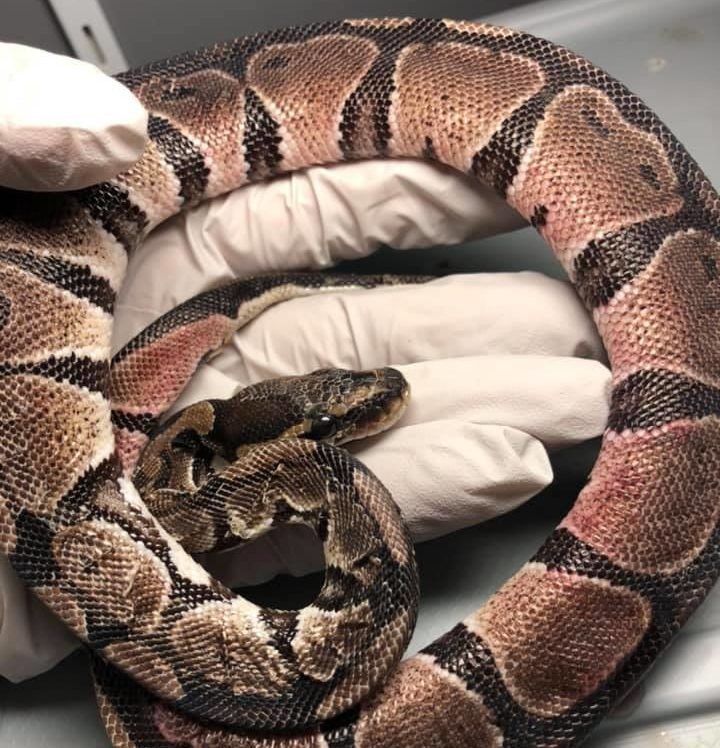
Reptile skin discoloration often signals stress, poor care, infection, or shedding problems needing attention.
I have worked with reptiles for years and have helped many owners figure out why their pet’s skin changed color. This guide on reptile skin discoloration pulls together field experience, vet-based care steps, and simple tests you can try at home. Read on to learn clear causes, easy checks, treatment options, and prevention tips so you can act fast and confidently.

Causes of reptile skin discoloration
Reptile skin discoloration can come from many things. Some causes are simple and harmless. Others need urgent vet care. Common causes include:
- Shedding problems (dysecdysis) that trap old skin and dull color.
- Bacterial or fungal infections that cause patches or dark spots.
- Parasitic infestations, like mites, which irritate and change scale color.
- Poor husbandry: wrong temps, humidity, or lighting that stress skin.
- Nutritional gaps, especially vitamin A or calcium issues.
- Trauma or burns from hot spots or rough surfaces.
- Genetics or natural color change with age or breeding season.
Each cause gives a slightly different look and pattern. Knowing these helps narrow down why your reptile shows discoloration. I use a simple checklist when I first see a case: environment, diet, weight, and recent changes. This usually points to the right cause.

Common conditions and how they look
Knowing what the discoloration might mean helps you act faster. Here are typical conditions tied to reptile skin discoloration.
- Dysecdysis (bad shedding)
- Scales look dull and stuck. Skin peels in patches. Eyes may stay cloudy.
- Scale rot
- Dark, soft, or sunken patches on belly or tail. Often from damp bedding.
- Fungal infections
- Powdery, white or gray patches that may grow. Edges can be raised.
- Bacterial infections
- Red or dark inflamed spots. May ooze or smell bad.
- Mites and parasites
- Tiny black dots, frequent rubbing, and scattered discoloration.
- Metabolic or nutritional issues
- Pale or faded color, weak muscles, and odd posture.
- Sunburn or thermal burns
- Blotchy pale or white areas where scales are damaged.
These signs are not full proofs. They guide a vet exam or a recorded timeline of changes. Take clear photos every few days. That helps vets track progress and can show subtle shifts in reptile skin discoloration.
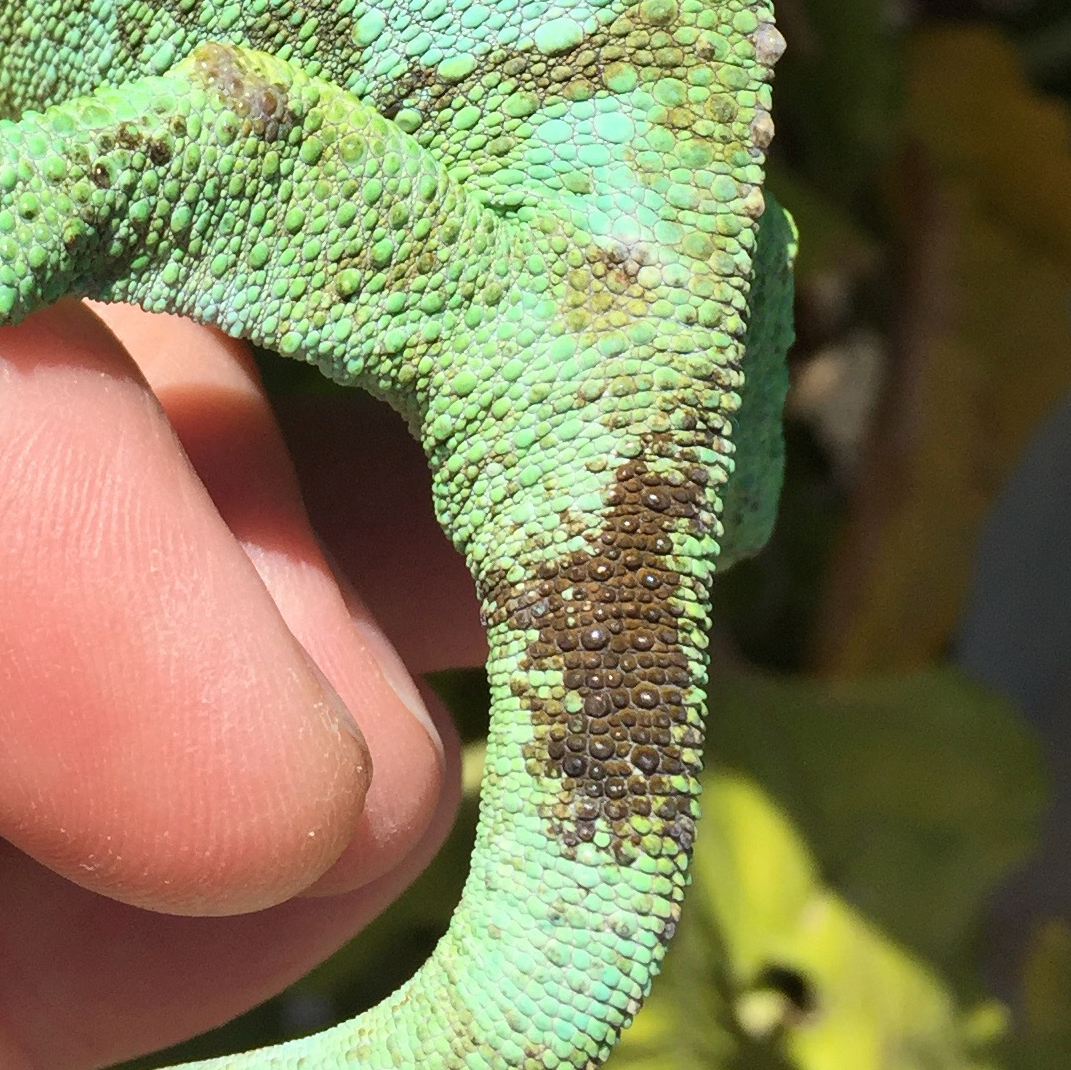
Diagnosis: what vets check and quick PAA-style questions
A vet will take a full history and do a hands-on exam. Common tests include skin scrapings, swabs for culture, blood work, and fecal checks. Imaging may be used for deeper issues. Home checks you can do safely:
- Record temperature and humidity for 48 hours.
- Note appetite, stool, and behavior.
- Take close-up photos in good light.
- Gently inspect for mites and retained shed.
People also ask
Why is my reptile turning darker overnight?
Rapid darkening can come from stress, thermoregulation, or early infection. Check temps and behavior and watch for other signs like lethargy.
Can poor humidity cause color change?
Yes. Low or high humidity can change scale sheen and cause dysecdysis, which leads to dull or patchy discoloration.
When should I see a vet for skin discoloration?
See a vet if the change is sudden, spreading, painful, or if your pet stops eating. Early care prevents worse problems.
These short checks and questions often point directly to the likely cause of reptile skin discoloration. Keep a written log to share with your vet. It speeds diagnosis and care.

Treatment options for reptile skin discoloration
Treatment depends on the cause. Quick action and correct steps make a big difference.
- Improve husbandry first
- Fix temps, humidity, and UVB. Offer clean water and hide spots.
- Treat parasites
- Use vet-recommended mite treatments and clean the enclosure.
- Manage infections
- Topical or oral antibiotics for bacterial cases. Antifungals for fungus.
- Help with shedding
- Offer a warm, humid hide or soak under vet guidance to release stuck skin.
- Correct diet and supplements
- Balance calcium, vitamin D3, and vitamin A only as advised by a vet.
- Local wound care
- Clean sores with dilute antiseptic and follow vet dressing advice.
- Supportive care
- Fluid therapy or assisted feeding for weak or dehydrated reptiles.
Do not use human creams or meds without a vet. Some products harm reptiles. I once treated a leopard gecko with persistent dark patches simply by fixing a wet substrate and treating a minor bacterial scrape. It cleared in two weeks with vet follow-up. Fast, correct moves usually work.

Husbandry, prevention, and monitoring
Good care prevents many causes of reptile skin discoloration. Focus on basics. They are effective and low cost.
- Temperature
- Provide a proper warm side and cool side with reliable thermometers.
- Humidity
- Use a hygrometer and adjust hides or misting to match species needs.
- Lighting
- Give species-appropriate UVB and a day-night cycle.
- Substrate and cleanliness
- Use safe bedding and clean spots daily. Deep clean monthly.
- Nutrition
- Feed varied, species-appropriate diets and gut-load insects when needed.
- Stress reduction
- Limit handling during illness and provide secure hide boxes.
- Routine checks
- Weigh pets weekly and take photos monthly. Note any slow or sudden color shift.
Track changes in a small notebook or app. This practice helps spot trends in reptile skin discoloration before they worsen.
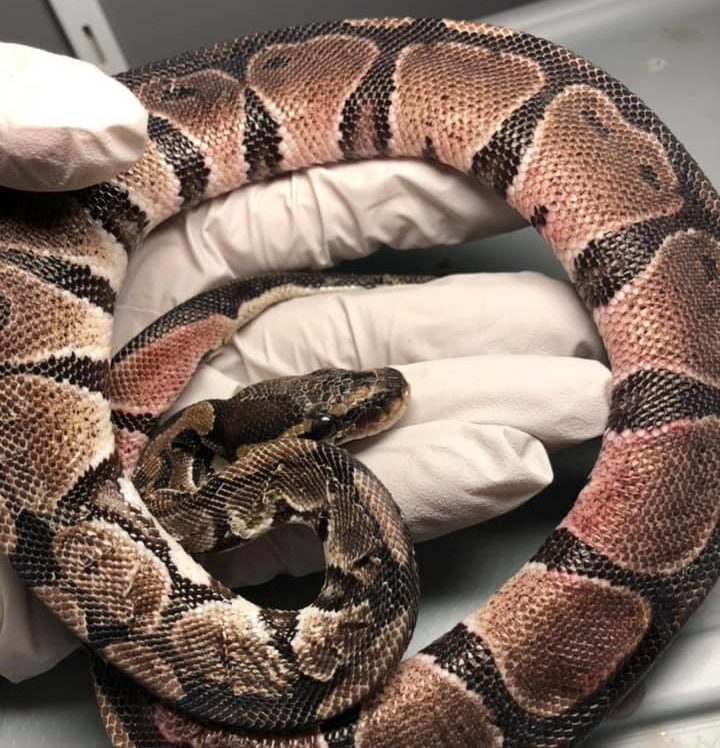
My experience: mistakes, lessons, and tips
I once treated three bearded dragons with similar brown patches. I tried topical fixes first. That was a mistake. The patches returned. After a vet visit we found poor UVB and low calcium. Fixing the UVB and diet cleared the issue in weeks.
Lessons learned
- Always check the basics first: light, heat, humidity, and diet.
- Use photos to track changes. Photos beat memory.
- Ask your vet early if change is sudden or your pet is ill.
- Avoid over-treating at home. Wrong meds can hide the real problem.
I share these tips with new owners. They help stop small discolorations from becoming serious.

Frequently Asked Questions of reptile skin discoloration
What does pale skin mean on my reptile?
Pale skin can mean stress, low temperature, or a need for more light. It can also point to anemia or poor diet, so monitor appetite and activity.
Can shedding problems cause long-term color change?
If dysecdysis is left untreated, scales can scar or die and lead to lasting dull spots. Regular humidity control and gentle shedding aids usually prevent this.
Is black or dark skin always an infection?
Not always. Dark skin can be normal color change, bruising, burn, or an infection. Watch for other signs like heat-seeking, swelling, or bad smell.
How fast should discoloration clear with treatment?
Mild issues can improve in days. Infections or deep wounds may take weeks to months with vet care. Follow the vet plan closely.
Can supplements fix discoloration?
Supplements help if the issue is nutritional. They won’t fix infections or burns. Use supplements only as part of a full care plan advised by a vet.
Closing thoughts
Reptile skin discoloration is a clear sign your pet needs attention. Start with the basics: check habitat, diet, and signs like appetite or behavior. If the change is sudden, painful, or spreading, see a vet right away. Small, steady steps—better light, correct heat, clean habitat, and a vet plan—solve most problems. Take photos, keep notes, and act early to help your reptile heal.
If this guide helped, try the checks listed here and share your story in the comments. Subscribe or book a vet consult if you need more help.
