
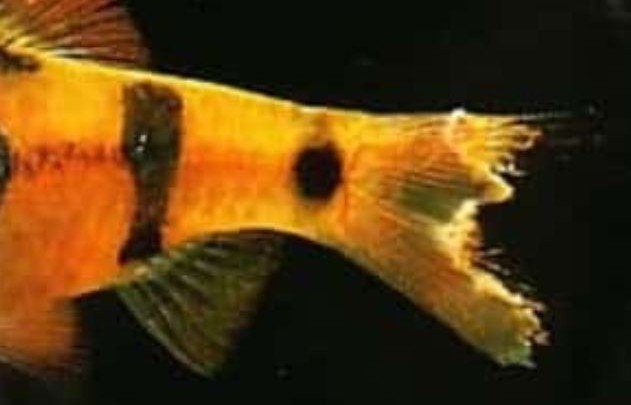
Fish tail damage is injury or disease to a fish’s caudal fin that limits swimming.
I have treated many aquarium and pond fish with fin injury and disease, and I will walk you through clear, practical steps to spot, treat, and prevent fish tail damage. This guide explains causes, signs, diagnosis, treatment, and long-term care in plain language. You will learn how to act fast, what products and home remedies help, when to seek veterinary care, and how to reduce repeat fish tail damage in your tank or pond.
:strip_icc()/fin-rot-1378481-FINAL-0546cd6b03564df595829abaae45f7c6.png)
What is fish tail damage?
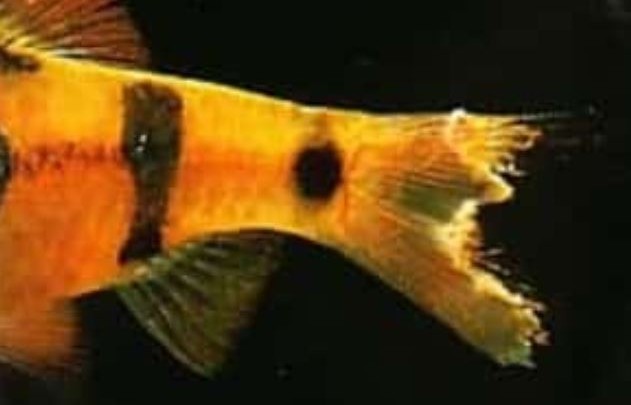
Fish tail damage refers to physical injury or disease that harms the caudal fin. It includes tears, bites, rot, and fungal or bacterial erosion. The damage can limit a fish’s ability to swim, feed, and escape stress. Left untreated, fish tail damage can lead to secondary infections and chronic disability.
Common causes of fish tail damage
Fish tail damage comes from many sources. Here are the main ones:
- Tank aggression from other fish that nip fins.
- Sharp decorations or rough filters that tear fins.
- Poor water quality that weakens fins and enables fin rot.
- Bacterial infection that starts as a small tear and expands.
- Fungal growth after an injury.
- Parasites that irritate the tail and cause rubbing.
- Physical accidents like jumping into hard surfaces.
Each cause needs a slightly different response. Spotting the cause early stops the damage from worsening.

Signs and symptoms to watch for
Early detection helps recovery. Look for these clear signs of fish tail damage:
- Frayed or ragged tail edges.
- Missing chunks of tail or a shredded look.
- Redness, swelling, or white fuzzy growth on the tail.
- Reduced swimming power or abnormal drift.
- Loss of appetite and hiding more than usual.
If you see any of these, test water and isolate the fish if the damage looks severe or infectious.

How to diagnose the problem
Diagnosing fish tail damage starts with observation and simple tests. Follow these steps:
- Observe behavior for signs of aggression or rubbing.
- Test basic water parameters: ammonia, nitrite, nitrate, pH, and temperature.
- Inspect tank mates for nipping behavior or visible parasites.
- Use a magnifying glass to look for fungal threads or bacterial lesions.
- Consider a vet exam or a photo consult with an aquatic specialist if unsure.
Diagnosis helps you choose targeted treatment and prevents misusing medications.

Treatment options for fish tail damage
Treatment depends on the cause and severity. Use one or more of these approaches:
- Improve water quality by doing partial water changes and balancing pH.
- Remove sharp decor and rearrange the tank to reduce fights.
- Isolate the injured fish in a quarantine tank to heal without stress.
- Use aquarium salt therapy for mild bacterial or parasite issues, following dose instructions.
- Apply antibacterial or antifungal medications if signs point to infection.
- Offer clean, high-protein foods to support healing.
- For severe cases, seek veterinary-grade antibiotics or professional care.
Treat wounds quickly. A small tear can become a serious infection in days.

Preventing fish tail damage
Prevention is the most effective strategy. Try these measures:
- Match fish by temperament to reduce fin-nipping.
- Remove or blunt sharp objects in the tank.
- Keep water quality high with regular tests and changes.
- Quarantine new fish for 2–4 weeks before adding them to the main tank.
- Maintain stable water temperature and chemistry to reduce stress.
- Provide hiding places and enough space to lower aggression.
Consistent care cuts the risk of repeat fish tail damage and creates a healthy environment.
:strip_icc()/Betta-fish-GettyImages-590533258-58cf4b565f9b581d72cefab9.jpg)
Recovery and prognosis
Many fish recover well from fish tail damage if treated early. Small tears regrow within weeks. Severe loss of tail may take months or leave permanent scarring. Recovery speed depends on:
- The fish species and age.
- Water quality and nutrition during healing.
- Whether the underlying cause was controlled.
Monitor healing with photos. Stop treatments when the tail has fully regrown and new tissue looks healthy.
When to seek professional help
Seek professional care when:
- The fish shows systemic signs like lethargy, gasping, or unusual swimming.
- The wound spreads rapidly or looks deep and necrotic.
- Over-the-counter treatments fail after several days.
- You need prescription medication or a formal diagnosis.
A fish veterinarian can prescribe stronger medications and offer targeted care.
Related conditions and complications
Fish tail damage can lead to or mimic other issues. Watch for:
- Fin rot caused by Aeromonas and Pseudomonas bacteria.
- Columnaris, which can look like white patches on the tail.
- Secondary fungal infections after a bacterial lesion.
- Swim imbalance if the caudal fin cannot provide propulsion.
Addressing the primary cause reduces the chance of these complications.
Practical tips from experience
I once nursed a male guppy with half a tail back to health. I used a quarantine tank, daily small water changes, gentle salt dosing, and high-protein live food. I also found the main tank had a territorial cichlid that was the culprit. After moving that fish, regrowth was steady and the guppy returned to normal behavior.
Lessons learned:
- Act fast. Early care prevents severe infection.
- Fix the environment. Treating a symptom without fixing water or neighbors brings relapse.
- Use photos to track progress and tweak care.
These tips save time and reduce stress for both fish and keeper.
Quick questions people ask (PAA-style)
How long does fin regrowth take?
Most fins start showing new growth in 2–4 weeks. Full regrowth can take several weeks to months depending on the species.
Is salt good for fish tail damage?
Aquarium salt helps mild bacterial problems and reduces stress in freshwater species, but follow proper dosing and avoid salt-sensitive species.
Can a shredded tail still swim normally?
Yes, a fish can often swim well with partial tail loss, but propulsion and balance may be affected until regrowth.
Frequently Asked Questions of fish tail damage
What causes sudden fish tail damage?
Sudden fish tail damage is usually caused by fin nipping from tank mates or accidental contact with sharp decor. Poor water quality can make tails fragile and worsen small injuries.
How do I treat fish tail damage at home?
Start with a water test and partial change, isolate the fish, and clean the tank. Use aquarium salt or targeted antimicrobials for mild infections and feed high-quality food to aid recovery.
Can fish tail damage heal on its own?
Minor tears may heal on their own if water conditions are excellent and no infection occurs. However, treating the tank and monitoring closely speeds healing and prevents complications.
When is fin rot present instead of mechanical damage?
Fin rot often shows as ragged, discolored edges and may have a dark or white line. Mechanical damage is usually clean tears or missing pieces. Lab or vet input confirms the cause.
Will the tail fully regrow after severe damage?
Many fish can regrow significant portions of their tail, but severe or repeated damage can cause permanent changes. Recovery depends on species, age, and care quality.
Conclusion
Fish tail damage is common but manageable with early action, good water care, and the right treatments. Identify the cause, isolate and support the fish, and fix the tank conditions to stop further harm. Take practical steps now: test your water, check tank mates, and create a healing space for any injured fish. If you found this guide useful, leave a comment with your experience, subscribe for more care tips, or share a photo of your recovery story.
