
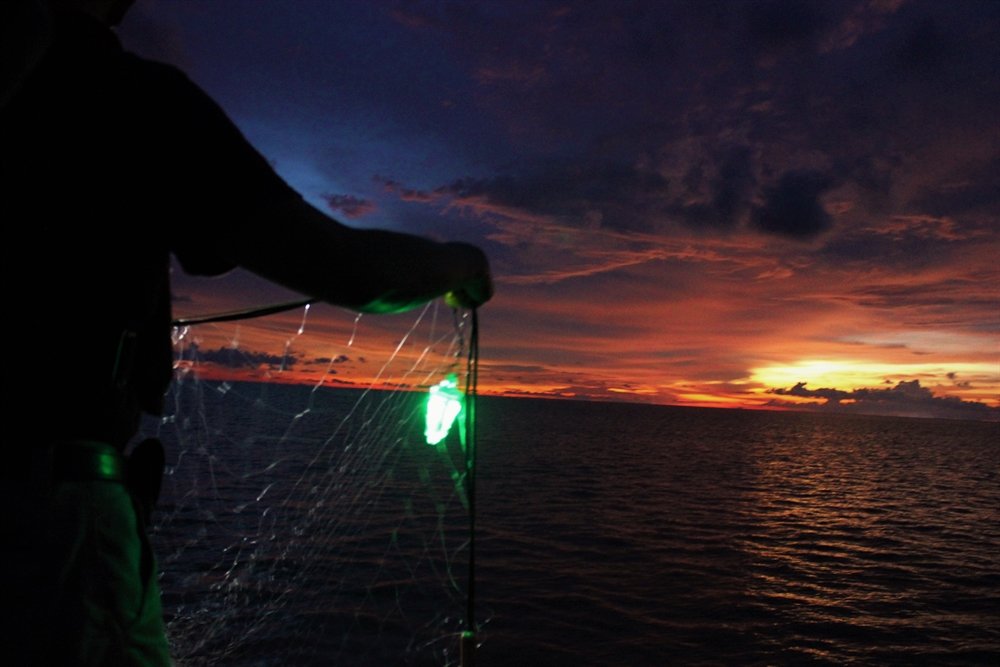
Fish often avoid light to reduce stress, hide from predators, and follow natural day-night rhythms.
I have kept aquariums and worked with ponds for years, so I know why fish avoiding light matters to hobbyists and pros. This guide explains causes, species patterns, science, and practical steps you can use to help or encourage fish avoiding light in tanks and ponds. Read on for clear, tested tips and simple fixes backed by experience and research.
%20NOAA%20Fisheries3%20(1).JPG)
Why fish avoid light
Fish avoiding light is common. Many fish use shade to hide from predators. Others hunt at night and rest by day. Light can also stress fish and disrupt sleep cycles.
Key causes of fish avoiding light:
- Predator risk and survival instincts make fish seek shade.
- Nocturnal feeding patterns prompt daytime hiding.
- Sudden or intense light causes stress and erratic behavior.
- Poor water quality and glare make bright areas uncomfortable.
- Illness or injury can make fish hide in dark spots.
People also ask
Do all fish avoid light?
No. Some species are positively phototactic and seek light. Many species, though, show avoidance during rest or when stressed.
Can light damage fish?
Excessive or high-energy light can stress fish and harm their eyes over time. Most problems stem from intensity, spectrum, or sudden changes.

Types of fish that avoid light
Some groups regularly avoid bright areas. Knowing species traits helps you set up the right light plan.
Common light-avoiding fish:
- Catfish and plecos — many are nocturnal and hide in caves by day.
- Loaches and eels — prefer dim or shaded zones.
- Many reef and deep-water fish — adapted to low light.
- Juvenile fish — smaller fish hide more to avoid predators.
- Sick or injured fish — will often stay in dark corners.
Personal note: I once set up a bright tank for plecos and saw them hide all day. Switching to low, warm lights and adding caves changed their behavior in a week. Watching this taught me how fast fish avoiding light will respond to gentle changes.

How light affects fish behavior and physiology
Light affects mood, sleep, and feeding. It also influences hormones that control activity.
Main effects of light:
- Circadian rhythm — light cues tell fish when to eat and sleep.
- Melatonin regulation — low light increases melatonin and rest.
- Vision and feeding — some predators hunt by sight and avoid glare.
- Stress response — strong light can raise stress hormones and weaken immune defense.
Short, steady light cycles are better than long, sudden changes. Fish avoiding light often reflects an attempt to keep their circadian rhythm steady.

Aquarium and pond management for fish avoiding light
You can change light to match fish needs. Small tweaks often make a big difference.
Practical lighting tips:
- Set a reliable day-night schedule with timers.
- Use dimmable LEDs to lower intensity in the morning and evening.
- Add shaded hideouts: caves, driftwood, dense plants, and floating plants.
- Offer varied light zones: bright areas for plants, dim zones for fish avoiding light.
- Avoid direct sun on ponds to cut glare and heat spikes.
Setup checklist:
- Measure light intensity at fish level.
- Add shelter if fish avoid light spots.
- Adjust light spectrum toward warmer tones for nocturnal species.
- Gradually change any new light over several days.

Research, evidence, and what experts say
Studies and field data support common causes for fish avoiding light. Research shows night-active species have different retinal and hormonal makeup. Lab work finds that abrupt light changes spike stress markers in fish. Field surveys of rivers and reefs show many species shift depth or shelter to reduce light exposure.
Evidence highlights:
- Nocturnal species show behavioral shifts under bright light.
- Gradual acclimation reduces shock and hiding behavior.
- Structural habitat complexity lowers stress and visible hiding.
I rely on lab findings and decades of hands-on work when I change light plans. That mix of research and practice yields reliable steps for managing fish avoiding light.

Practical tips and troubleshooting
When fish avoid light, follow a simple plan to find the cause and fix it.
Step-by-step troubleshooting:
- Observe when and where fish hide for several days.
- Check water quality: temperature, pH, ammonia, nitrite.
- Rule out illness by looking for spots, clamped fins, or odd swim.
- Change light slowly over a week rather than all at once.
- Add cover and a low-intensity night light if needed.
- Move feeding time to low light periods if fish feed more then.
My tip: keep a short log. Note times when fish are active or hiding. I saved hours and stress by tracking patterns for two weeks before changing any gear.
Frequently Asked Questions of fish avoiding light
Why are my fish hiding when the lights are on?
Fish hide when lights are too bright, sudden, or outside their natural rhythm. Also check water quality and signs of illness.
Will reducing light help stressed fish?
Yes. Lowering intensity and adding shaded areas often reduces stress and helps fish recover.
Are some lights better for nocturnal fish?
Warm, low-intensity lights and red-spectrum night lights are less disruptive for nocturnal species. Use dimmers for gradual shifts.
Can plants and decorations stop fish from avoiding light?
Yes. Plants and decorations add shade and security. They create zones that help fish feel safe from bright areas.
How fast should I change my aquarium light schedule?
Change light schedules over 5–10 days to let fish adapt. Sudden changes usually cause hiding and stress.
Conclusion
Fish avoiding light is a normal mix of biology, behavior, and environment. Most cases respond well to calmer light, reliable schedules, and more shade. Start with simple checks: water quality, habitat, and slow light changes. Try one change at a time, track results, and be patient.
Take action today by adding one shaded hideout or setting a timer for consistent light. Share your experience or questions below if you want help tailoring light for your fish.
